
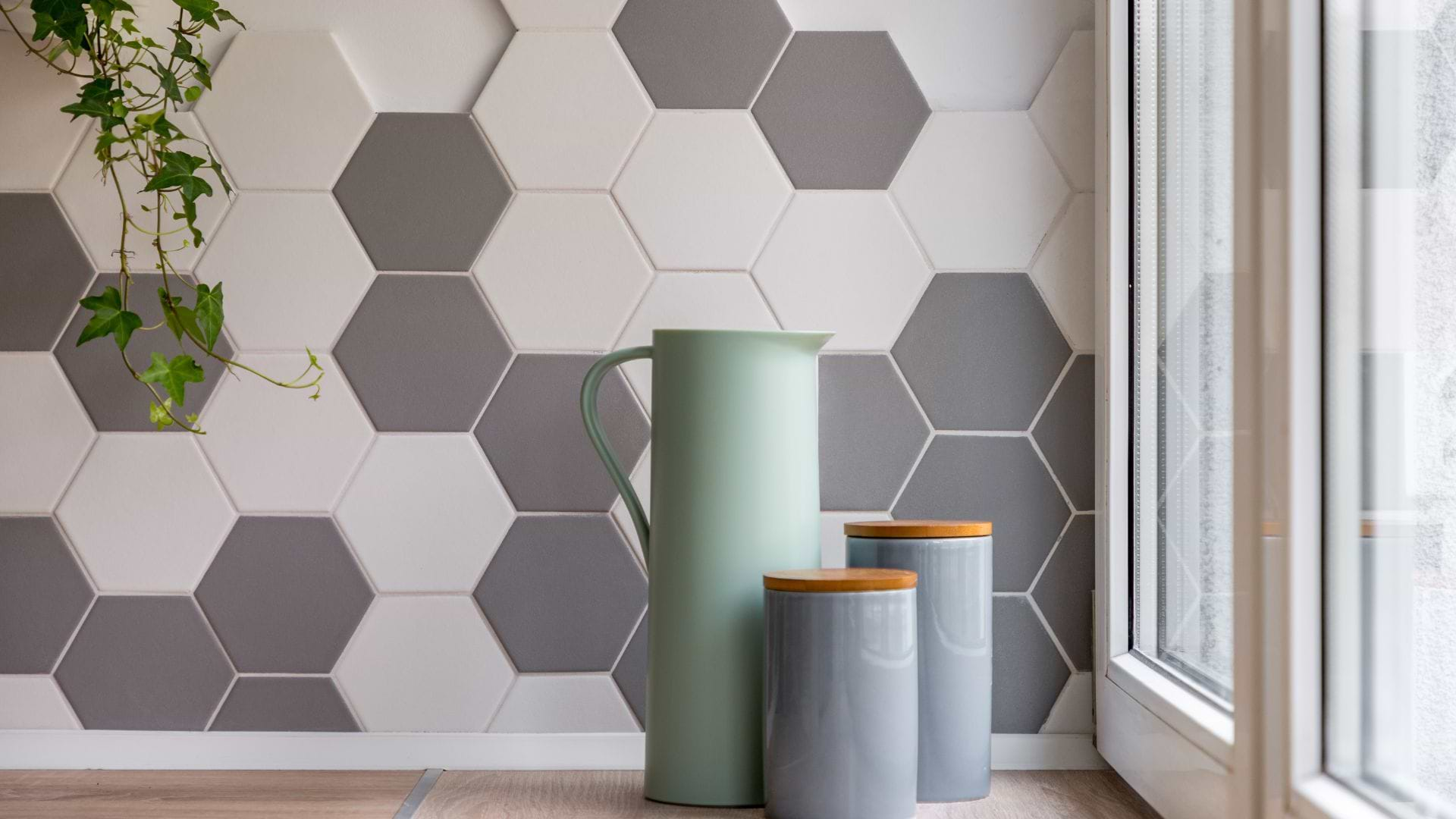
Don’t leave your tile hanging: most projects need trim to achieve a clean, finished look. The type of trim you need will be dictated by the type of tile you’re using, where you’re using it, and the overall design you’re after. This is a quick guide to picking tile trim.
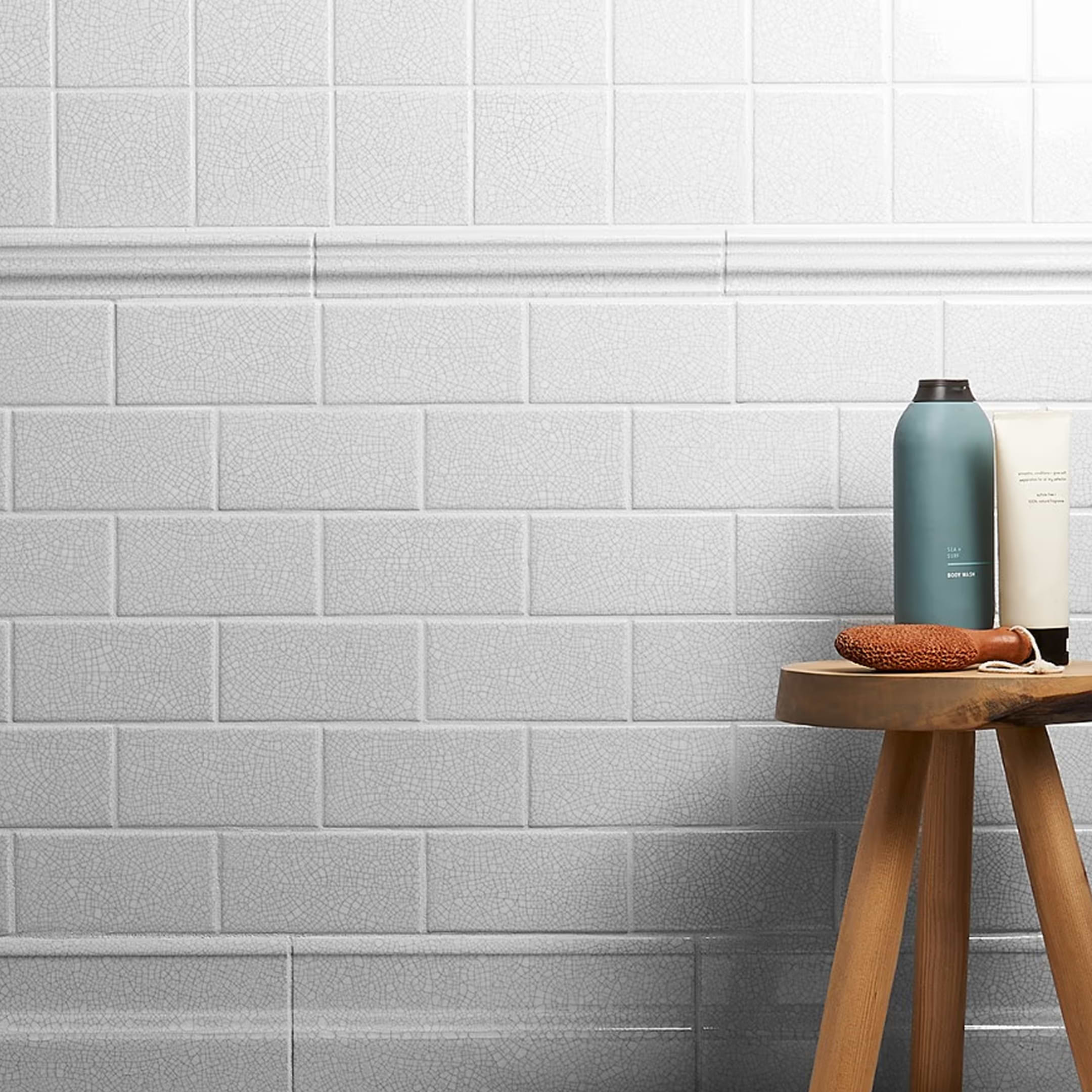

Why and Where Is Tile Trim Used?
Trim gives tile a neat and tidy finish, preventing abrupt edges and protecting tile from chipping and wear. Here’s where tile trim is used most often:
- Edges: Where the tile ends.
- Corners: Where two tiles come together.
- Transition Areas: Between different surfaces or where tiles meet flooring.
- Decorative Purposes: Trim can also be used to frame or highlight certain features.
What are the Most Popular Tile Trim Types?
The most common types of tile trim are bullnose, pencil, chair rail, and metal edge.
- Bullnose trim: Featuring a smooth, rounded edge, bullnose trim creates a soft, finished transition wherever tile ends. It’s a go-to for capping walls, framing shower niches, and finishing countertop edges.
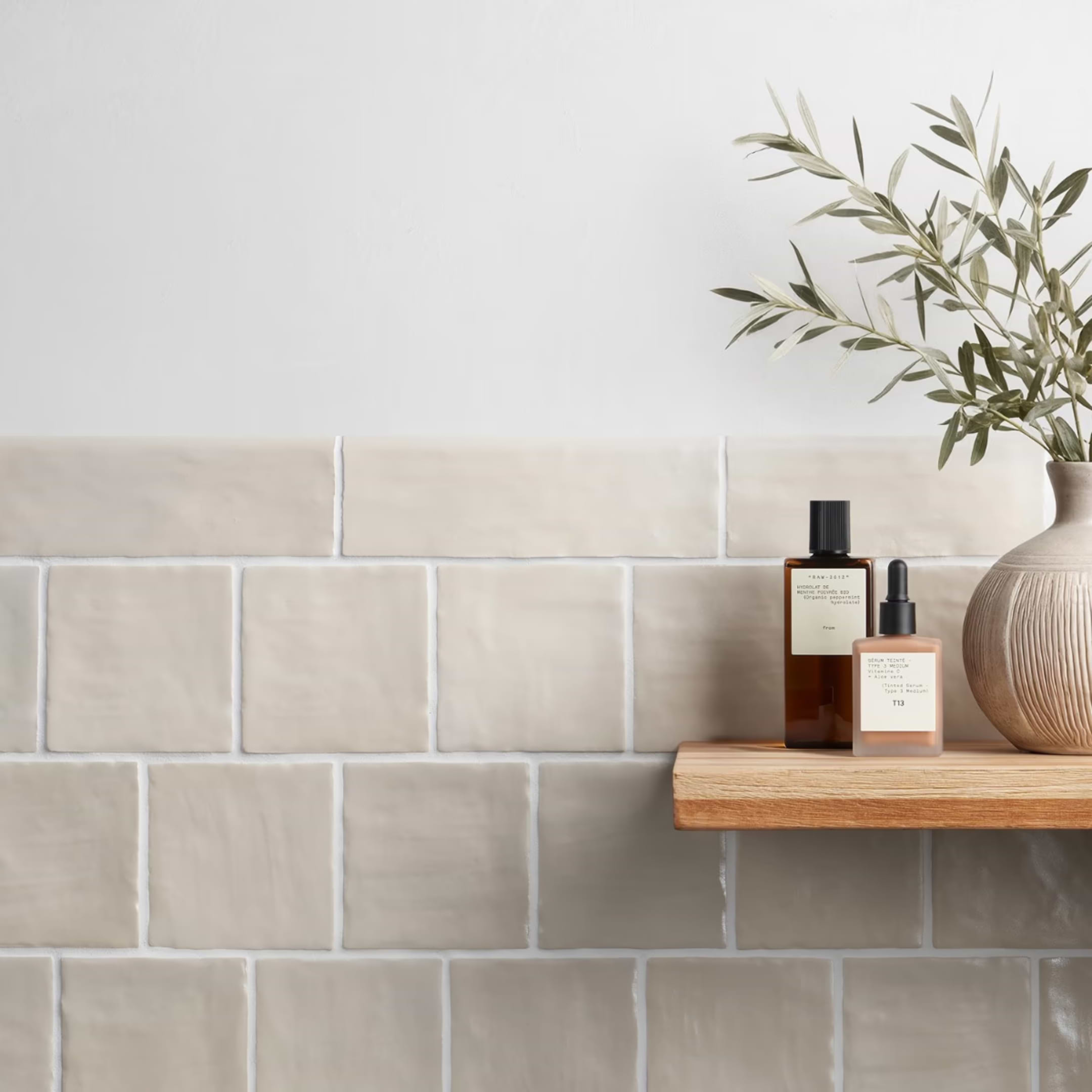
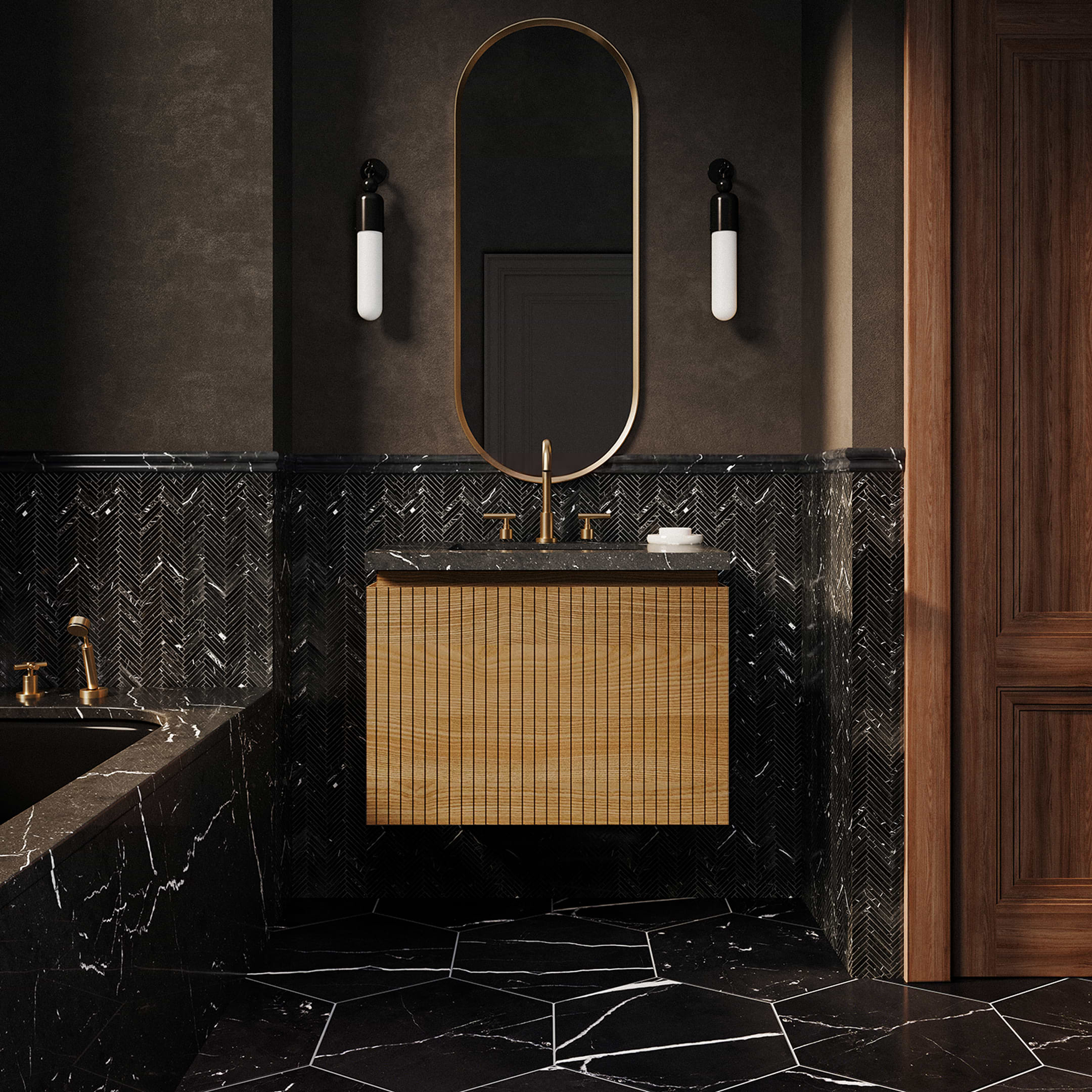
- Pencil trim: Slim and subtly rounded, pencil trim is typically used as a decorative border or to neatly define tile edges. Its thin profile adds interest without overpowering the design.
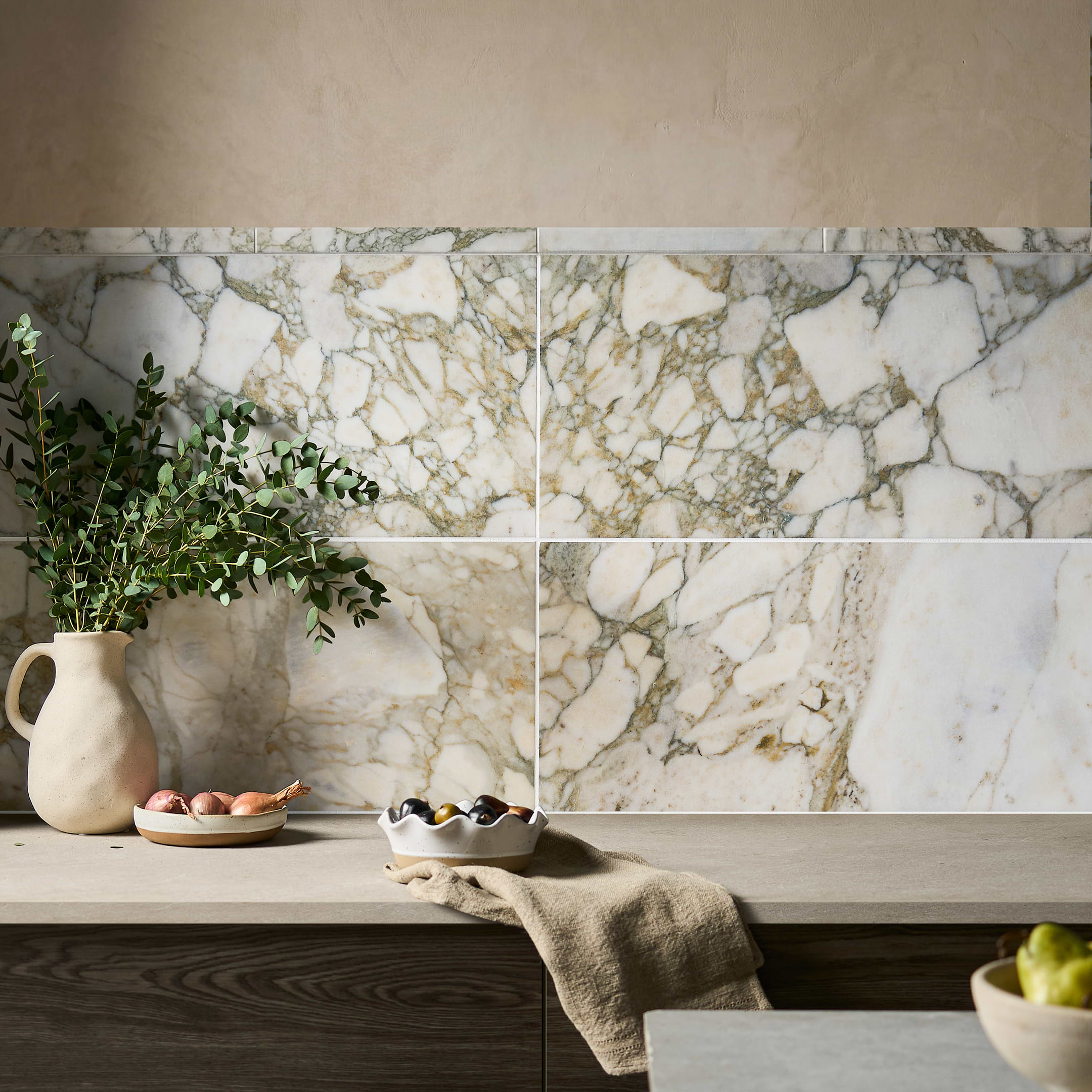
- Chair rail trim: Originally designed to protect walls from chair backs, chair rail trim has evolved into a decorative detail. Its sculptural shape caps tile, adding polish to feature walls and statement backsplashes.
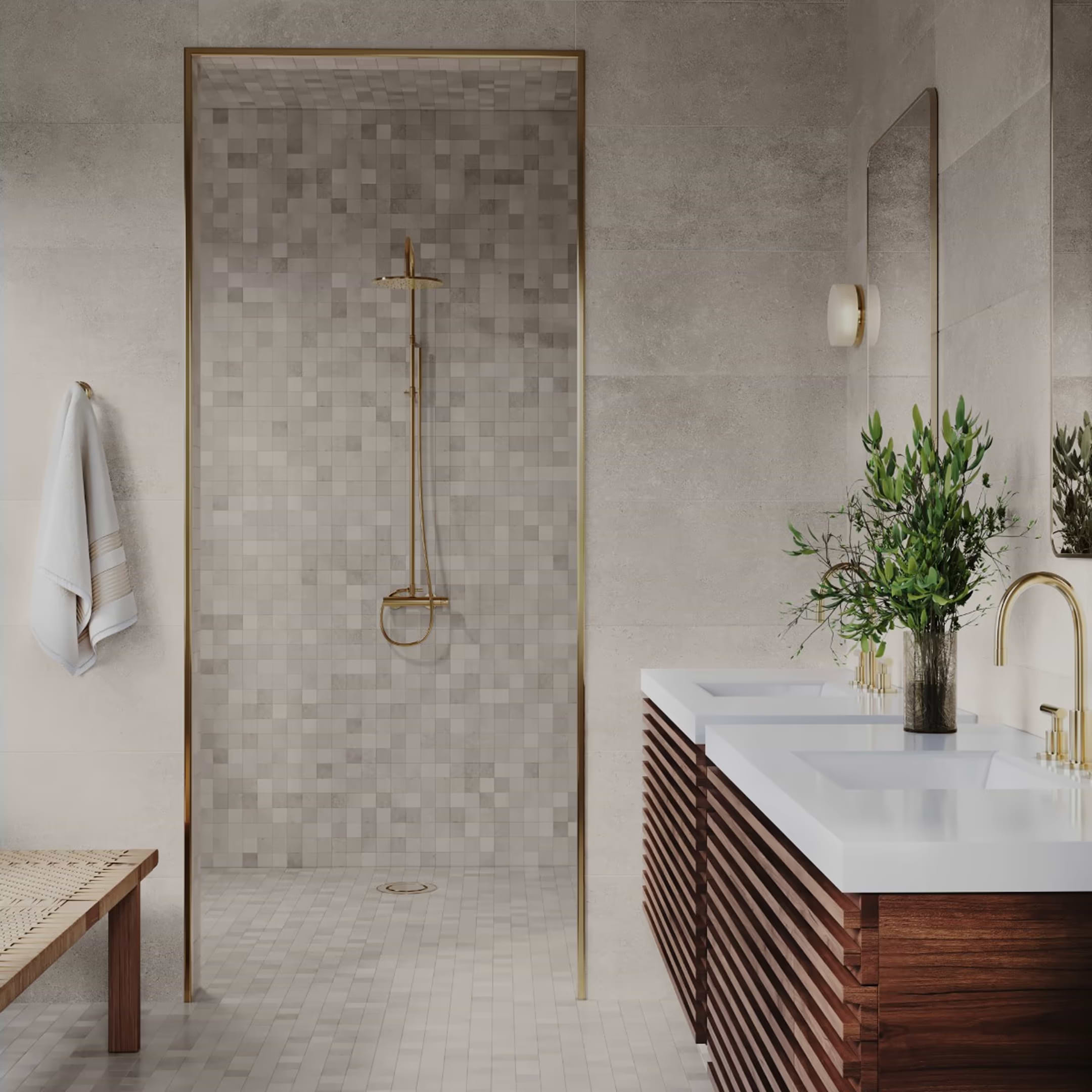
- Metal edge trim: Designed with crisp lines and a minimalist profile, metal edge trim provides a sleek finish while protecting tile edges from chipping. It has a modern look and comes in a range of finishes.
What Do You Need to Consider When Picking Tile Trim?
Factors you’ll want to consider when choosing tile trim:
- Material: Your trim material will most often match your tile material (for example, ceramic tile with ceramic trim). The main exception: Metal trim, which is durable and resistant to corrosion, makes it popular in showers.
- Tile thickness: Match trim thickness to tile thickness for a smooth transition.
- Trim profile: Bullnose creates softened corners, while pencil and chair rail trim act as defined borders. Thin metal trim almost blends in.
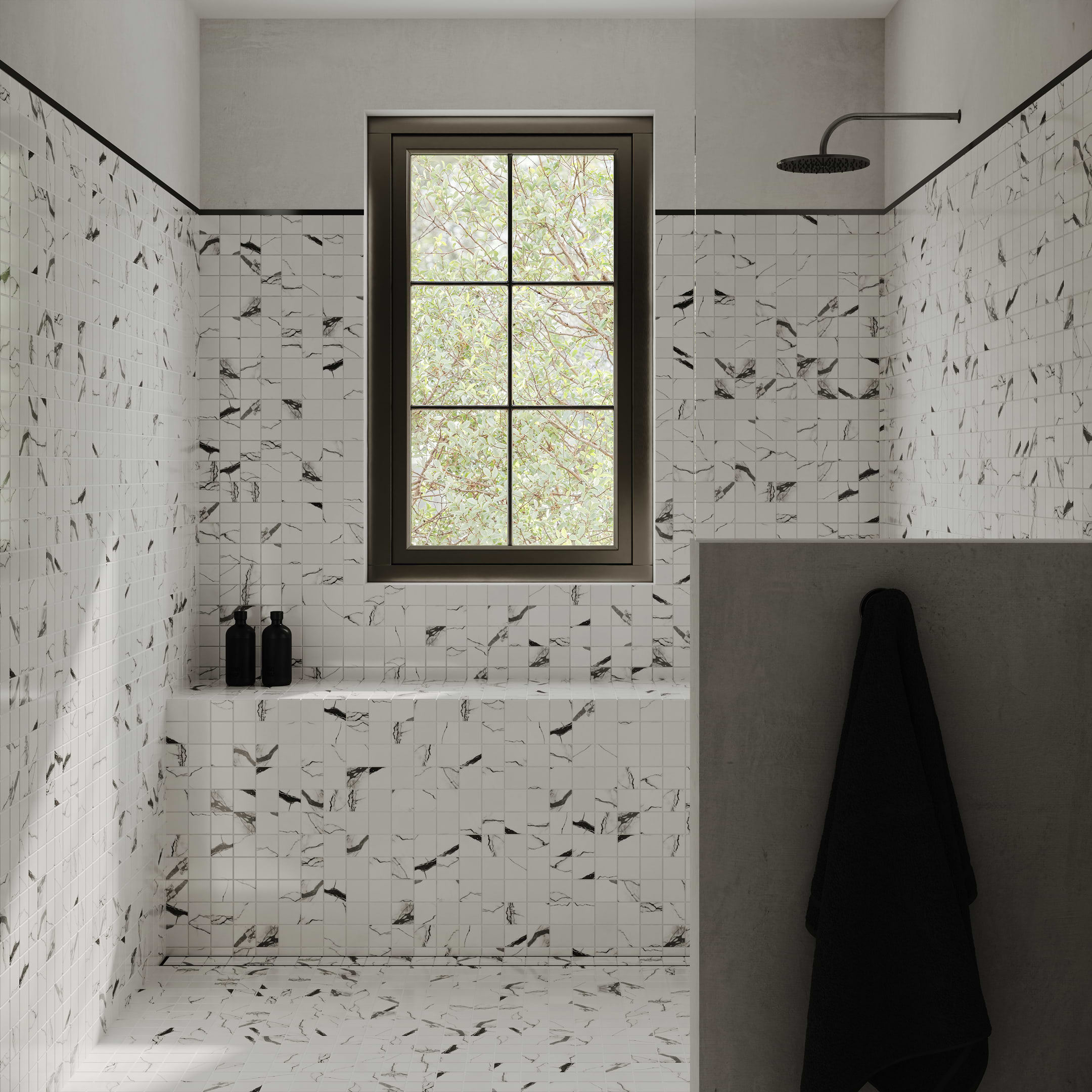
- Color matching: Some designs benefit from matching tile and trim colors, whereas some look better with contrasting trim.
Conclusion
Trim may be small, but it has a big impact on a project’s overall look. Pick a trim that will add to the overall look while protecting your tile. To help simplify selection, check whether your selected tile collection comes with coordinating trim options (most of ours do).
FAQ: Common Tile Trim Questions
What’s the purpose of tile trim?
Tile trim provides a clean, finished edge while protecting tile from chipping and covering exposed edges.
How do I choose the right trim for my tile?
Consider the tile thickness, location, and overall design style—rounded trims are classic, while metal trims create a more modern look.
How do I know how much trim to order?
Trim is sold by length, not square footage, so you’ll need linear measurements. In inches, add up the lengths of all floor and/or wall sections that need trim. Divide that number by the length of each trim piece, and that’s your number. Add on 10-20% overage, just in case of mistakes.
How do you install tile trim?
Tile trim is embedded in the thinset alongside the tile for a flush finish. Professional installation is recommended.
Do you put tile trim on before tiling?
Yes. The trim is usually set into the thinset first, and the tiles are placed alongside it so everything sits flush and aligned for a clean edge.
Can tile trim be added after the tiles are installed?
Not typically, as installing trim later can be more challenging once the tile has set.
Do you grout between tile and tile trim?
Yes, the joint between tile and trim is usually grouted, though caulk may be recommended in wet areas.
What is Schluter trim?
Schluter trim is a brand that manufactures metal tile trim designed to protect edges while providing a clean, modern finish.
Is it better to use Schluter or bullnose trim with tile?
Neither is better, so it depends on the look you want. Bullnose offers a traditional, seamless finish, while Schluter creates a sleek, contemporary edge.
What do you put on the edge of a tile Schluter?
Nothing additional is needed. Schluter trim is designed to fully finish and protect the exposed tile edge on its own.