
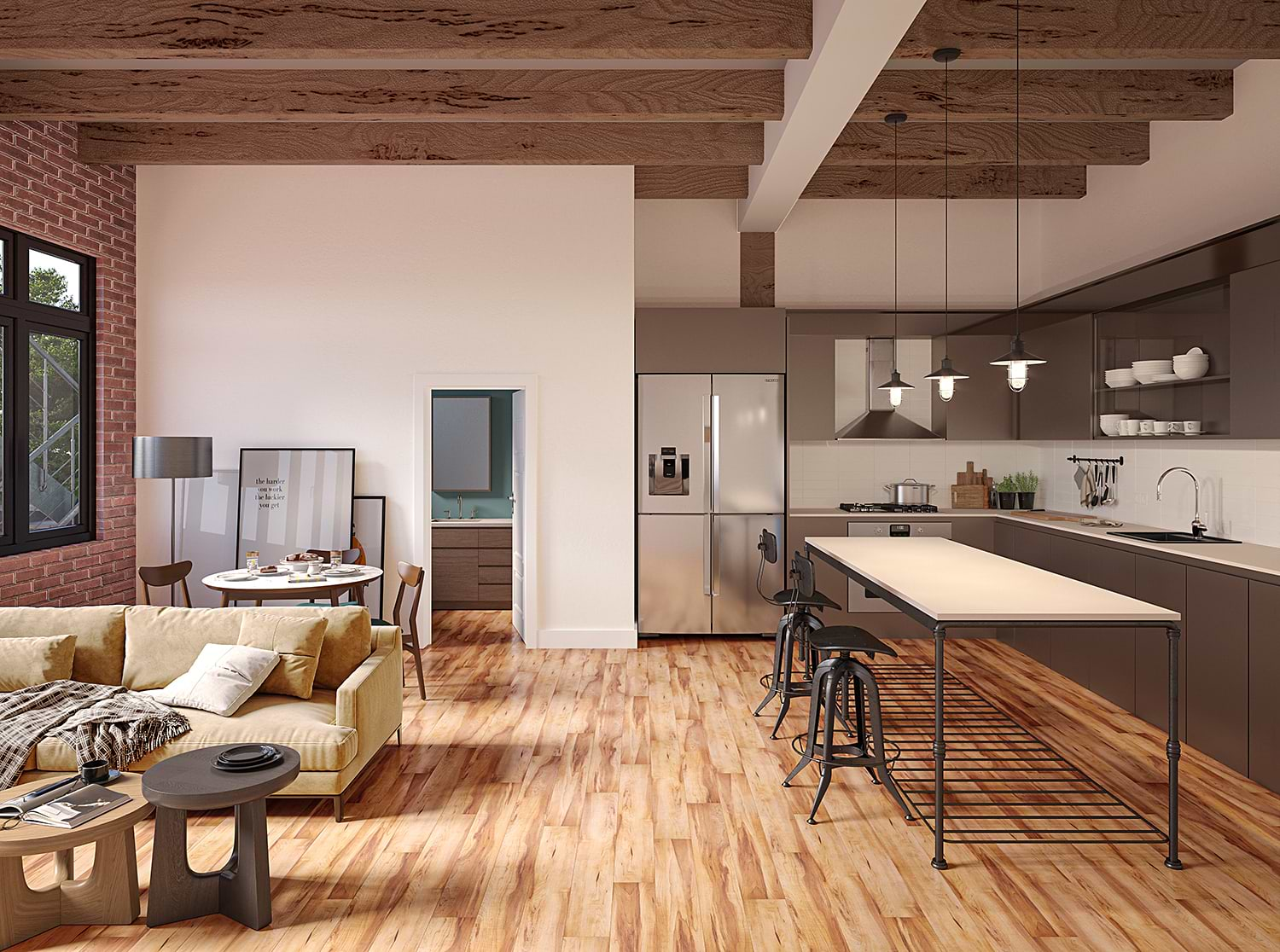
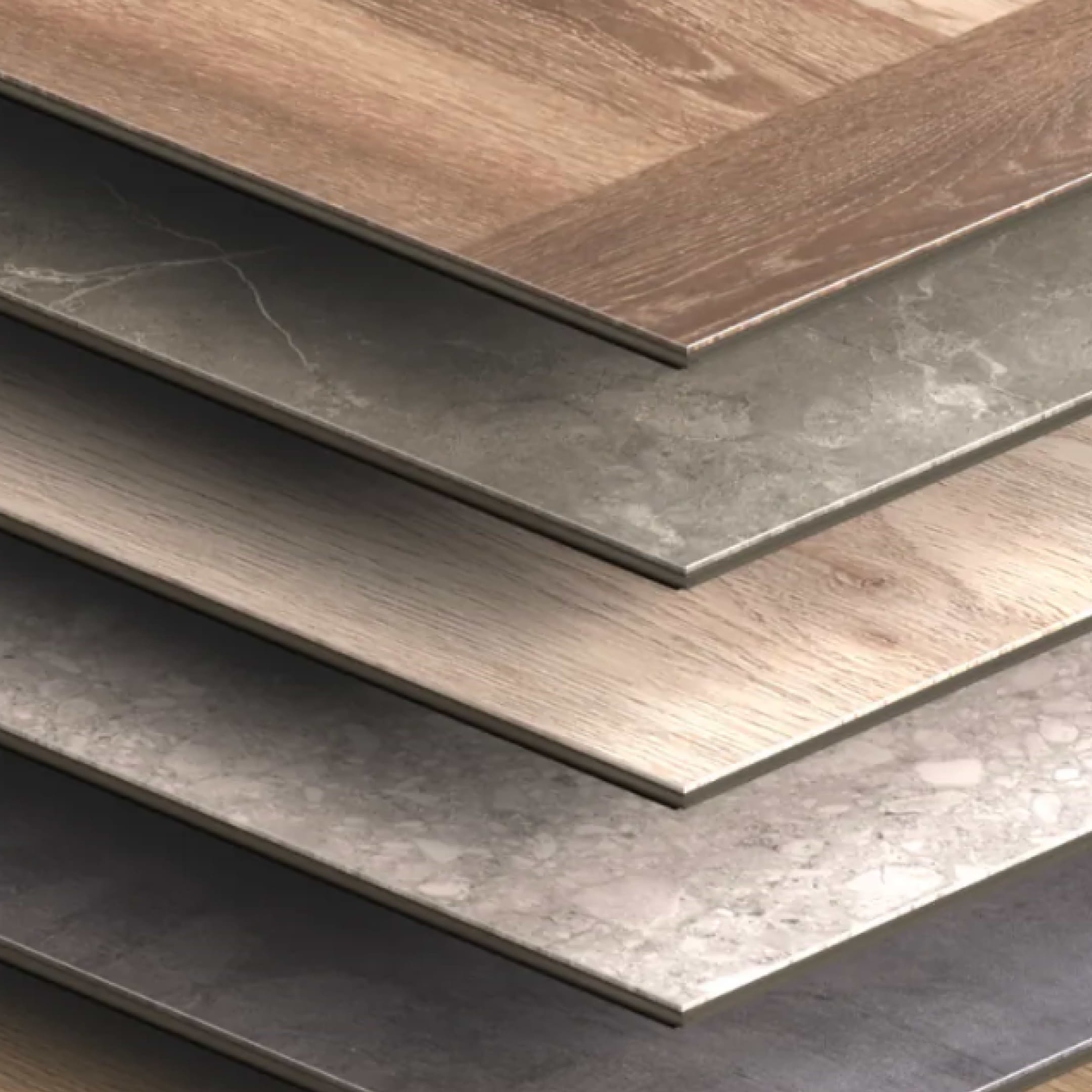
“LVT” stands for “Luxury Vinyl Tile” and is a hard surface flooring designed to mimic wood, stone, or ceramic. It’s typically chosen for its durability, waterproof properties, and affordability. The “luxury” part comes in how it’s manufactured, with high-tech processes yielding an ultrarealistic look through convincing patterning, texture, and variation.

What is LVT made of?
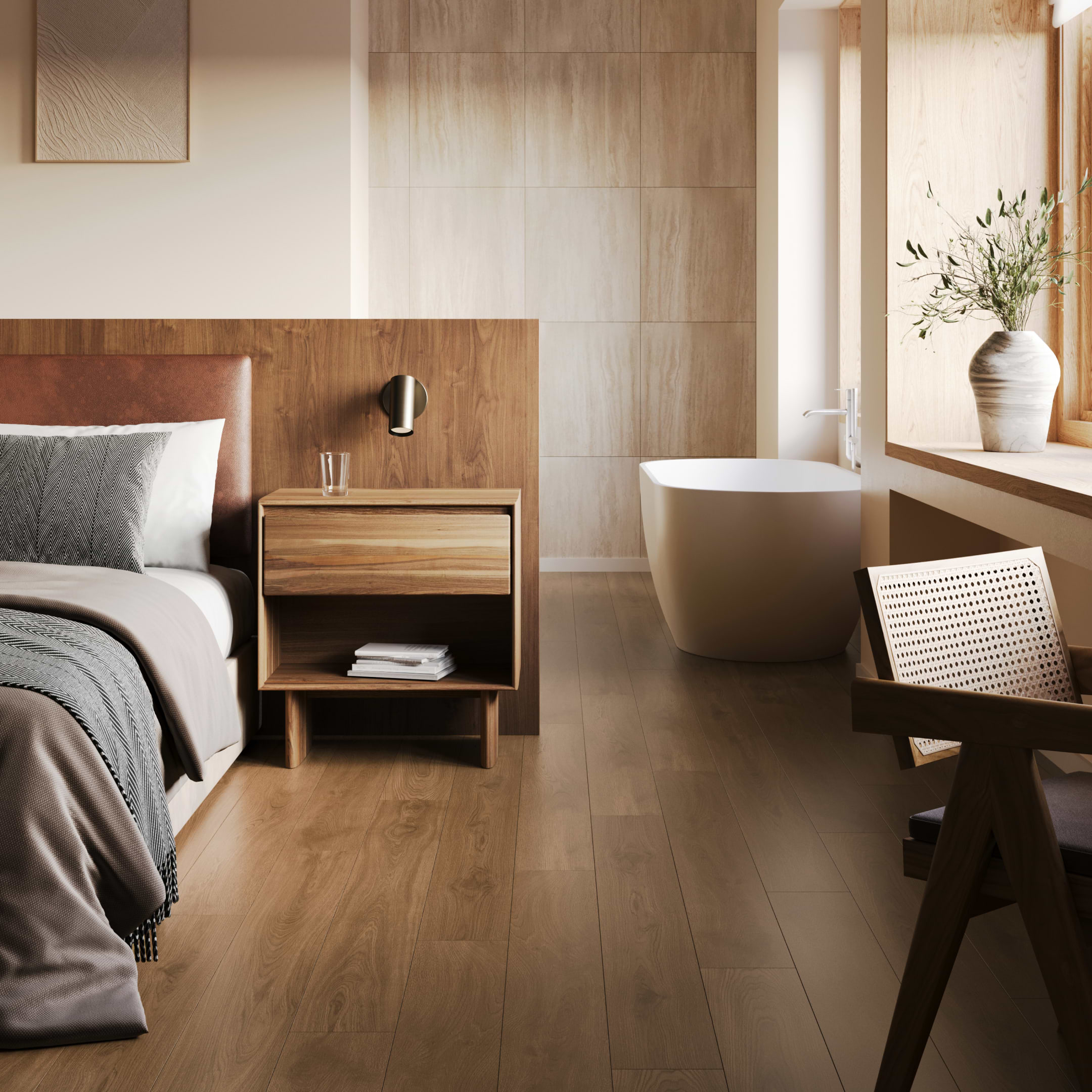
LVT is usually made of polyvinyl chloride (PVC) resin and calcium carbonate (limestone). Manufactured in multiple layers:
- Urethane topcoat that prevents scratches, scuffs, and spills
- Protective vinyl wear layer for durability
- Decorative PVC print film for the design and color
- Resilient vinyl core and backing
Why would I use LVT?
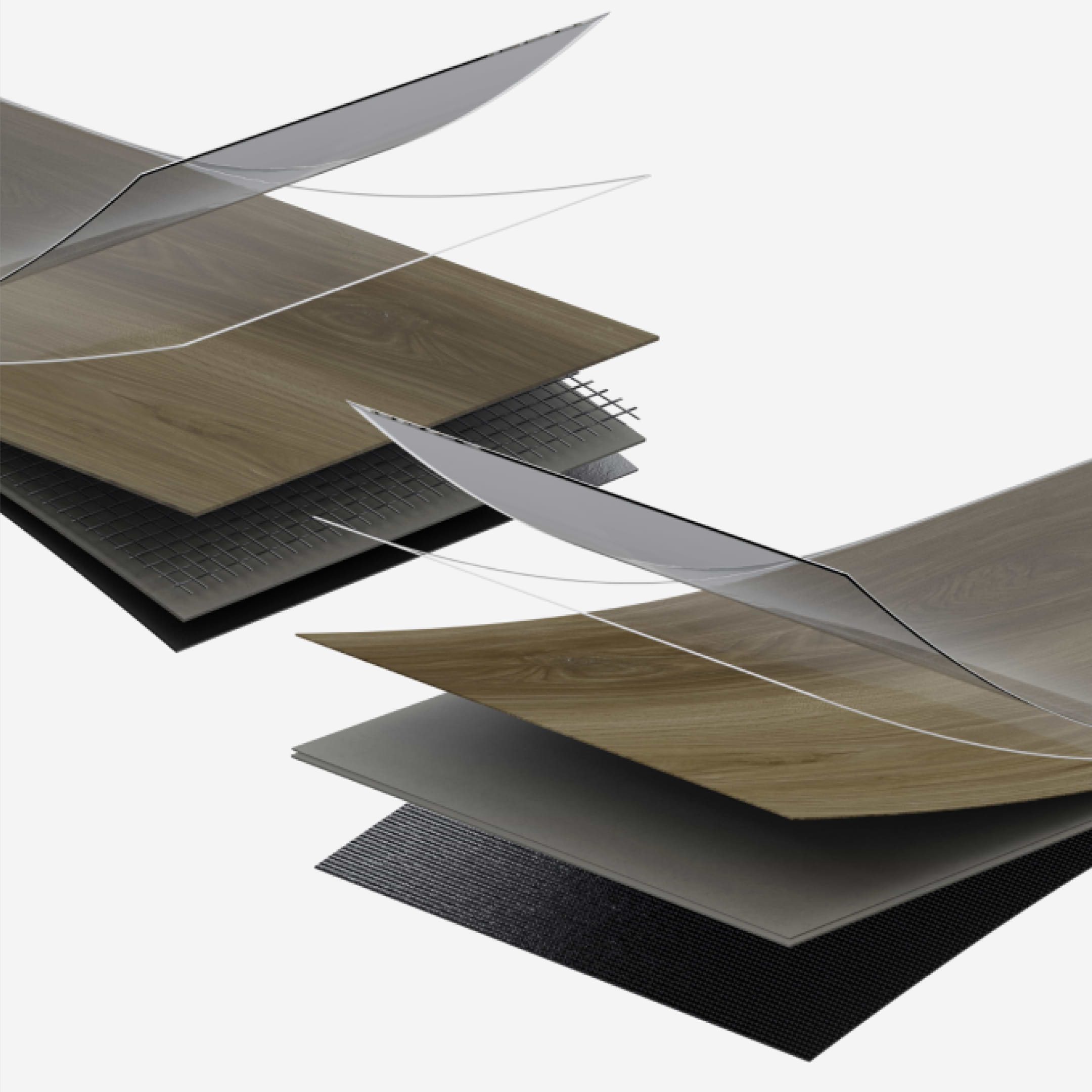
LVT is a popular floor option for both commercial and residential spaces. A few reasons why:
- LVT is more durable than real wood floors.
- LVT is easier to maintain than natural stone since it doesn’t require any sealing or refinishing.
- LVT doesn’t have grout joints like ceramic, porcelain, and stone (which require maintenance).
- LVT is waterproof, unlike real wood or laminate.
- LVT is generally considered warmer underfoot than real wood or stone.
How is LVT installed?
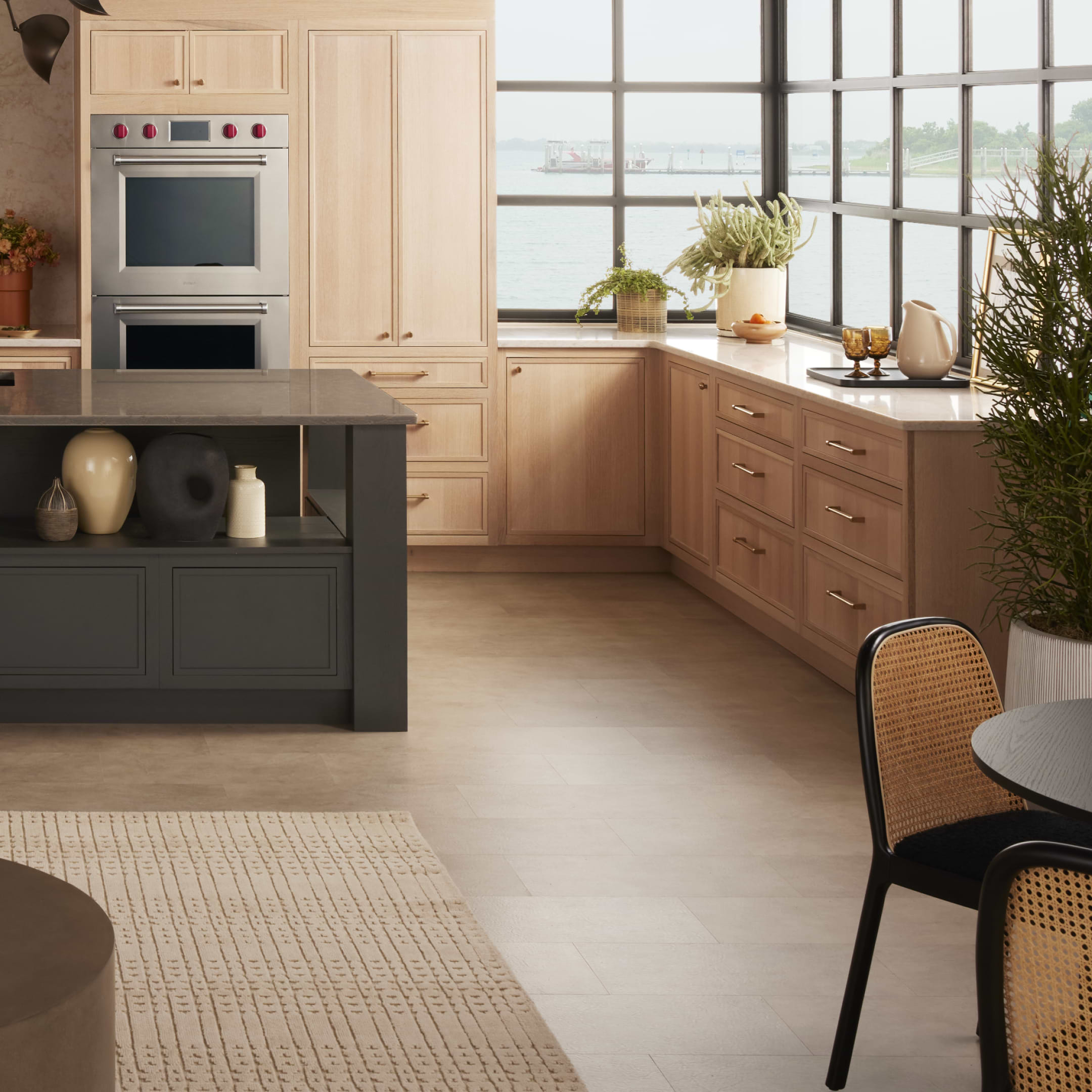
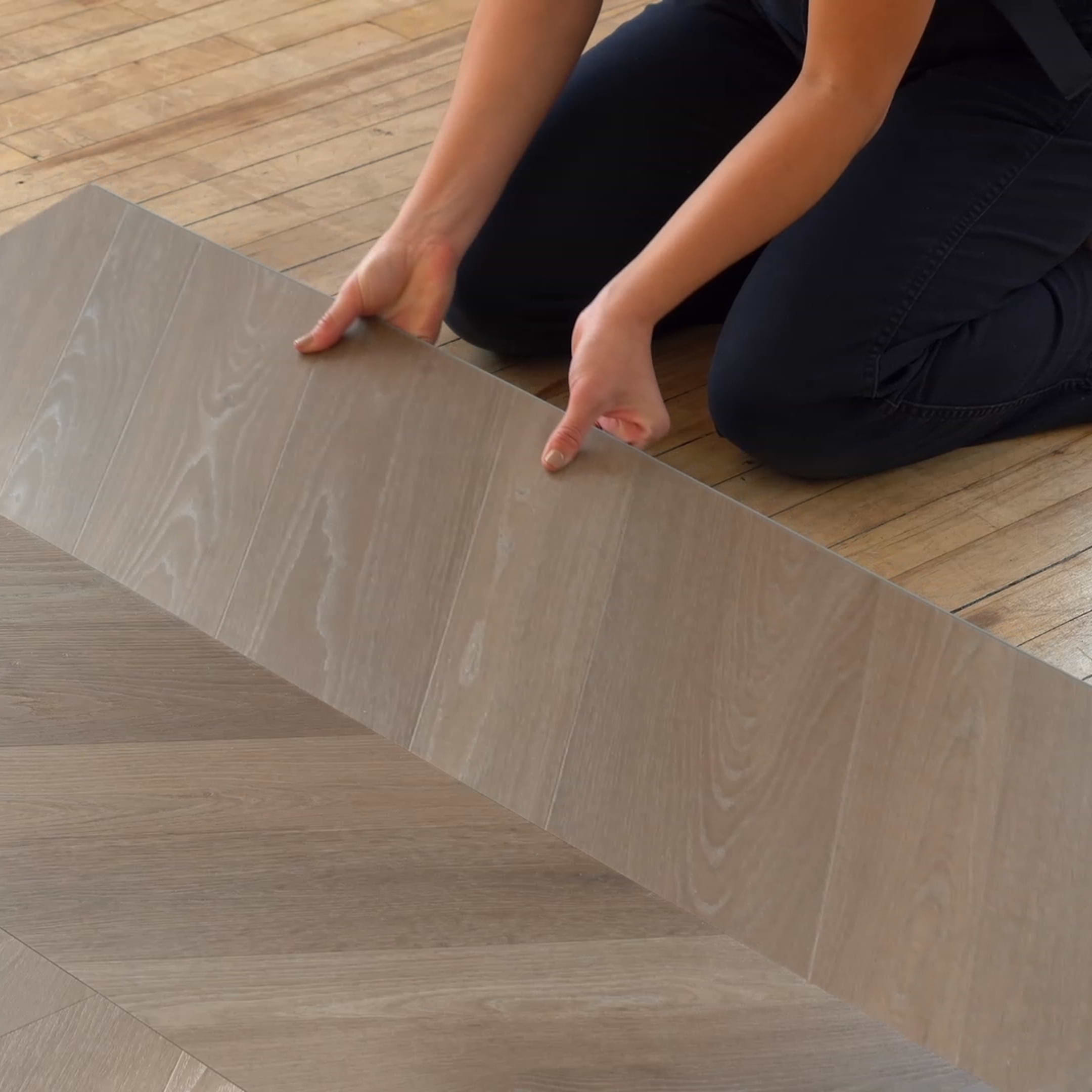
Innovations in LVT construction have made installation easier for homeowners and professional installers alike. Today’s main LVT installation types are: Glue Down, Loose Lay, and Rigid Core Click.
- Glue Down: Requires the use of an adhesive when installing and is most commonly used in commercial applications with heavy foot traffic and rolling loads.
- Loose Lay: With loose lay, adhesive is applied to perimeter pieces and the middle is filled in with loose tile, with the fixed perimeter helping keep everything in place. Generally recommended for smaller spaces with no rolling loads, loose lay can be applied over existing floors and used on subfloors with high moisture content.
- Rigid Core Click: The planks or tiles are installed using a tongue-and-groove locking system on the product edges and include a thick core for added stability. Popular for residential as no adhesive is required, making installation quicker and easier than Glue Down.
What are the main pros and cons of LVT?
|
Pros |
Cons
|
|
Waterproof – Making it ideal for kitchens, bathrooms, and basements. |
Many still prefer natural materials – LVT may not add as much resale value as hardwood or stone. |
|
Durable – Resistant to scratches and everyday wear. |
Can dent under heavy furniture – Softer than tile or hardwood. |
|
Affordable – More budget-friendly than hardwood or natural stone. |
Difficult to repair – Damaged sections often require plank replacement. |
|
Comfortable underfoot – Softer and warmer than ceramic or stone tile. |
Subfloor must be smooth – Imperfections underneath can show through. |
|
Easy installation & maintenance – Several installation options and simple cleaning. |
Shorter lifespan than hardwood or tile – Typically 10–25 years. |
FAQ: Common questions on LVT
What is LVT flooring?
LVT (Luxury Vinyl Tile) is a durable, multi-layer vinyl flooring designed to mimic the look of wood, stone, concrete, or even terrazzo.
Is LVT waterproof?
Yes, LVT is waterproof.
Which is better: LVT or traditional tile?
It depends on your needs. LVT is softer, warmer, and easier to install, while traditional tile is harder and typically longer lasting.
Can LVT be used in bathrooms and kitchens?
Yes. LVT is great for bathroom and kitchen floors. However, if using adhesive, make sure it’s not water-soluble. And while LVT itself is waterproof, it should never be used in showers as it’s slippery.
How long does LVT last?
LVT typically lasts 10–25 years, depending on the quality and the foot traffic where it’s being used.
Can you install LVT yourself?
Yes. Many LVT styles feature click-lock systems that are suitable for DIY installation.
Is LVT easy to maintain?
Yes. LVT is low maintenance and only requires regular sweeping and occasional mopping.