
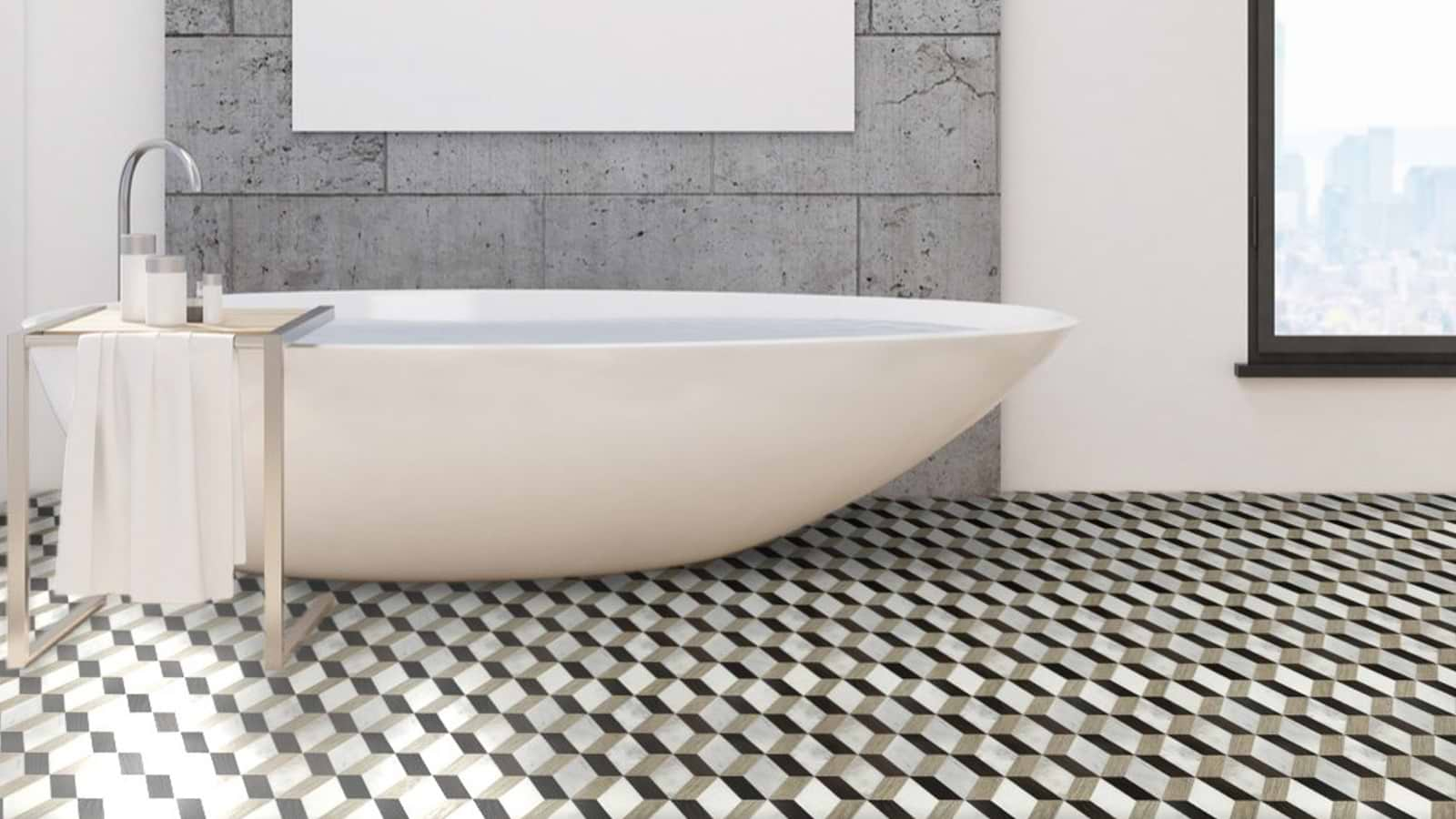
From ancient Egypt to ancient Rome, mosaics are one of the world’s oldest art forms. They remain popular today for their unique materiality and pattern options, though their construction and installation are much easier thanks to modern manufacturing. Read on for an overview of what mosaics are, what they’re made of, and where they’re typically used.
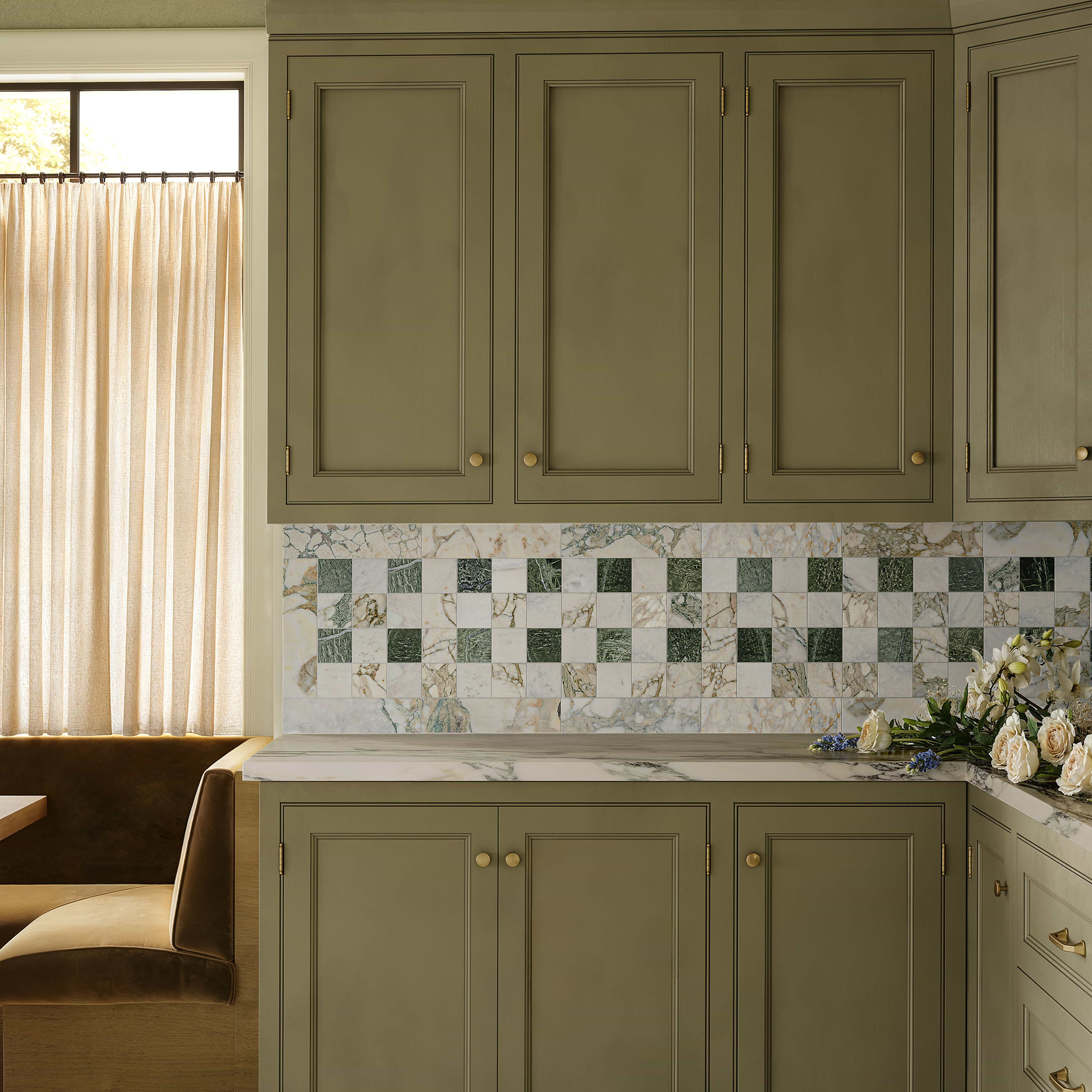

What is mosaic tile?
Mosaics are pictures or patterns made using colored fragments—typically small tiles—which are arranged and set into place. Mosaics are painstaking to construct and add decorative flair to walls and floors.
What are mosaic tiles made of?
Mosaics can be made from just about anything, but the most popular materials for today’s mosaics are natural stone, porcelain, ceramic, and glass. Mosaics can feature just one material or combine several together.
- Natural stone mosaics. From premium marble to earthy limestone, natural stone has been used for mosaics for thousands of years. It’s an elegant, timeless choice, requiring expertise and precision to cut and place the stone pieces.
- Porcelain & ceramic mosaics. Both made of clay, these materials are often lumped together as they’re durable, versatile, and easy to maintain. Porcelain and clay mosaics come in a range of colors, shapes, and looks (including stone looks), and are generally much more affordable than natural stone mosaics.
- Glass mosaics. Whether translucent, opaque, or even mirrored, glass tiles come in a range of colors and patterns. As a material, glass is non-porous, making it ideal in areas exposed to water, like pools and backsplashes.

How are mosaics typically installed?
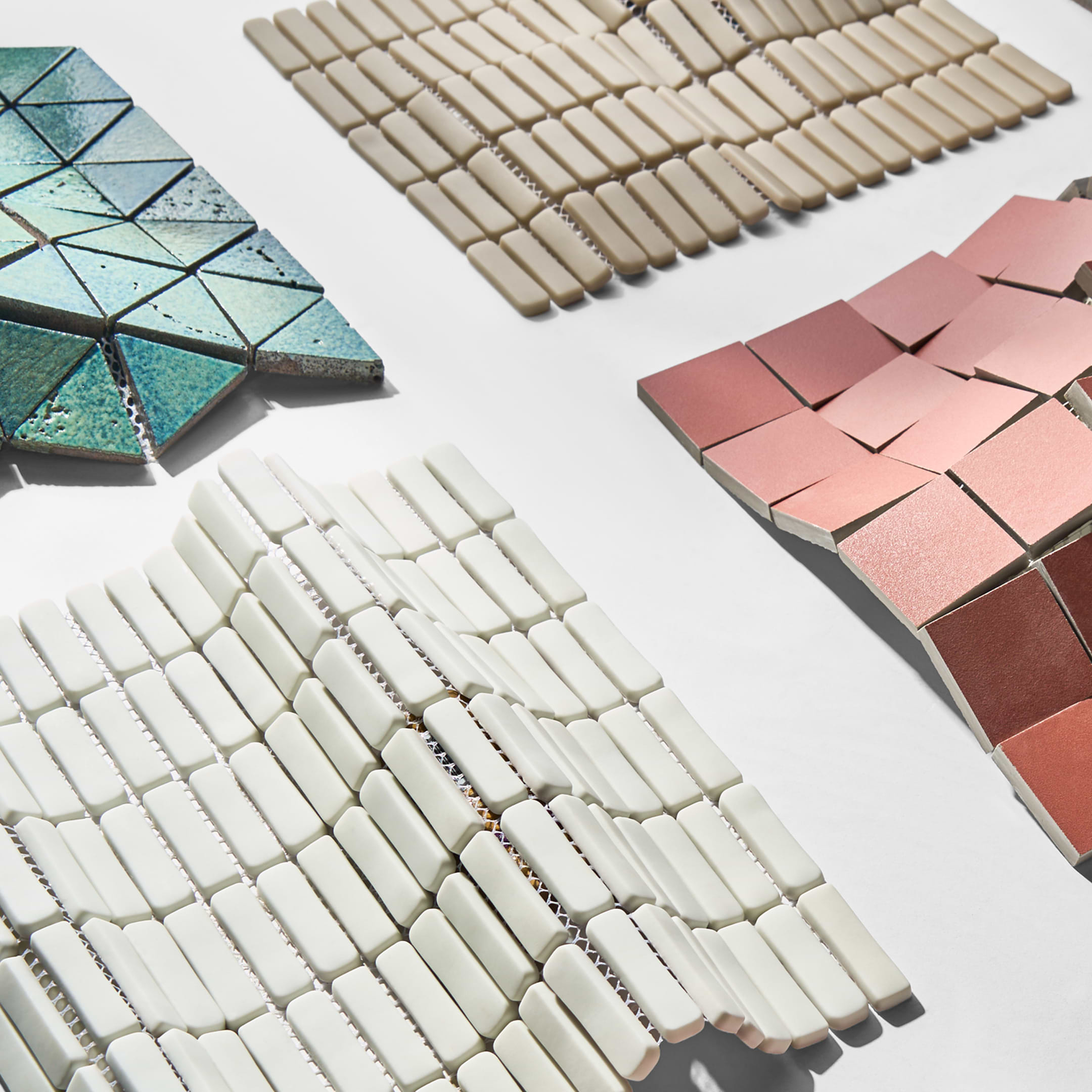
Unlike antique mosaics, which were laid down piece by piece, today’s mosaics are typically mesh-backed for ease of installation, meaning you can lay sections of the design down into the thin-set mortar in sheets. Still, mosaic installation involves intricate cutting and sheet alignment, and hiring a professional tiler is recommended.
What are common mosaic styles?
Though certainly not exhaustive, below is a list of common mosaic styles:
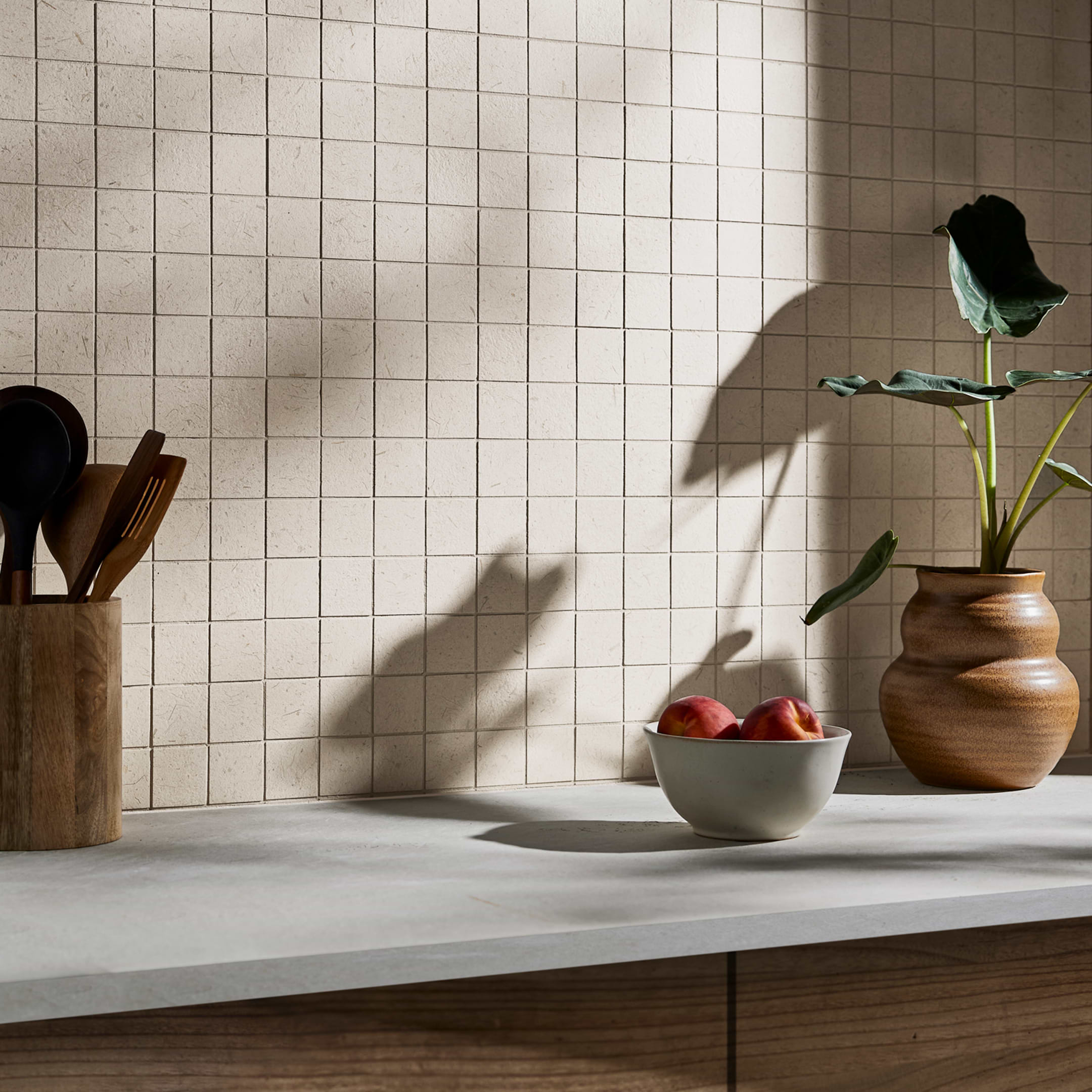
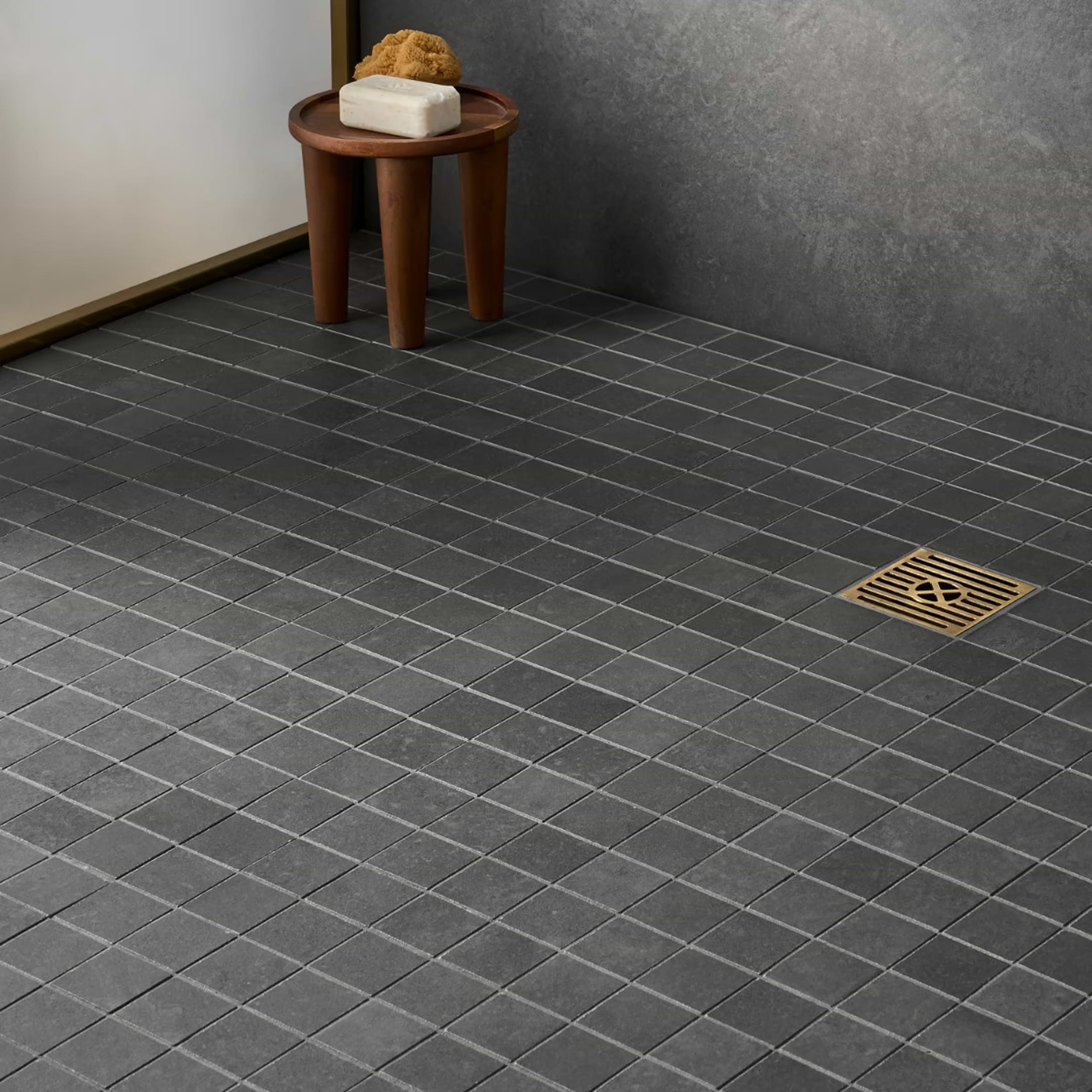
- Square mosaics: Composed of small, uniform squares (typically 2” or under), square mosaics are very common, using either one tile color or a mix of colors.
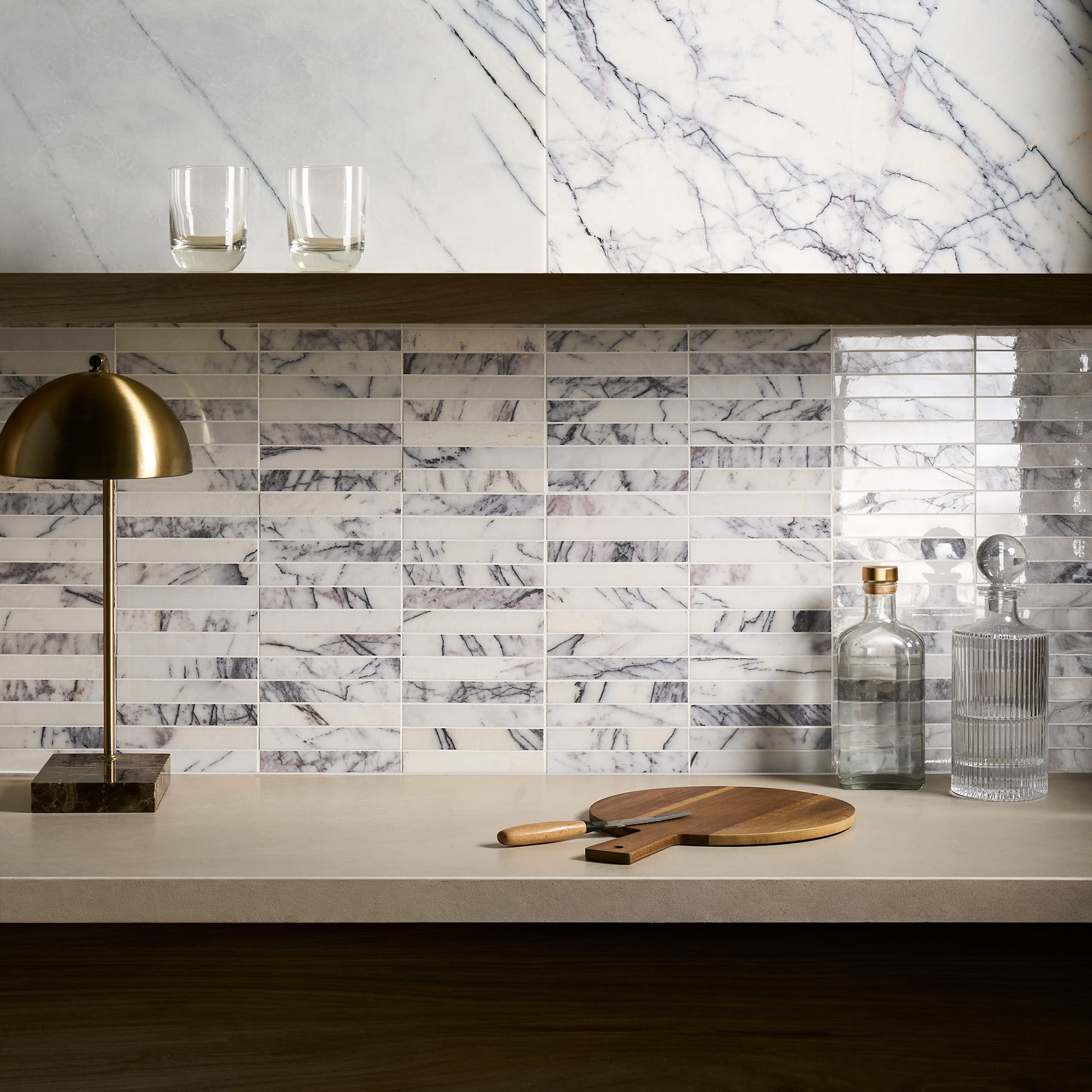
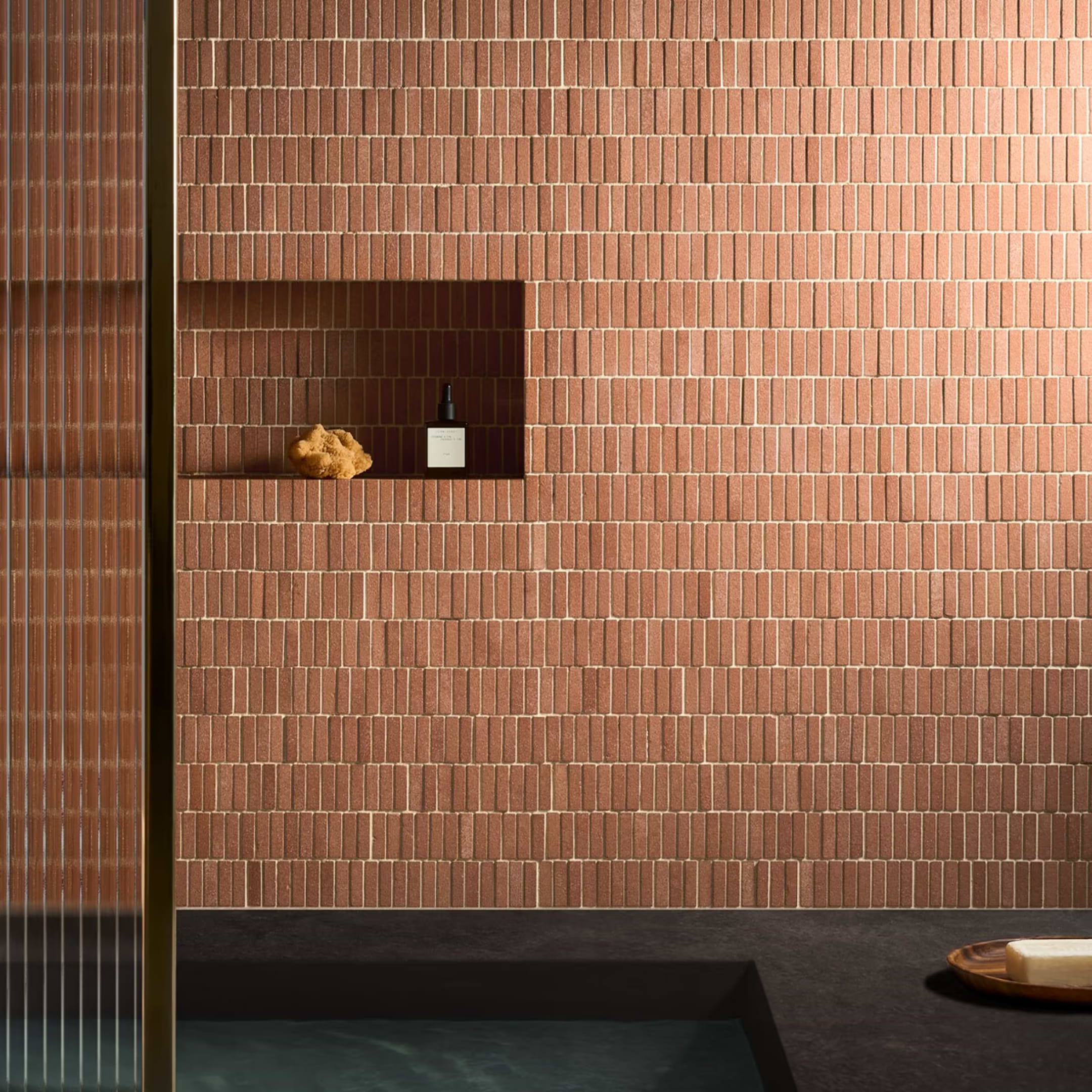
- Brick mosaics: A brick mosaic consists of small rectangles meant to mimic the look of traditional brickwork—though usually at a smaller scale.
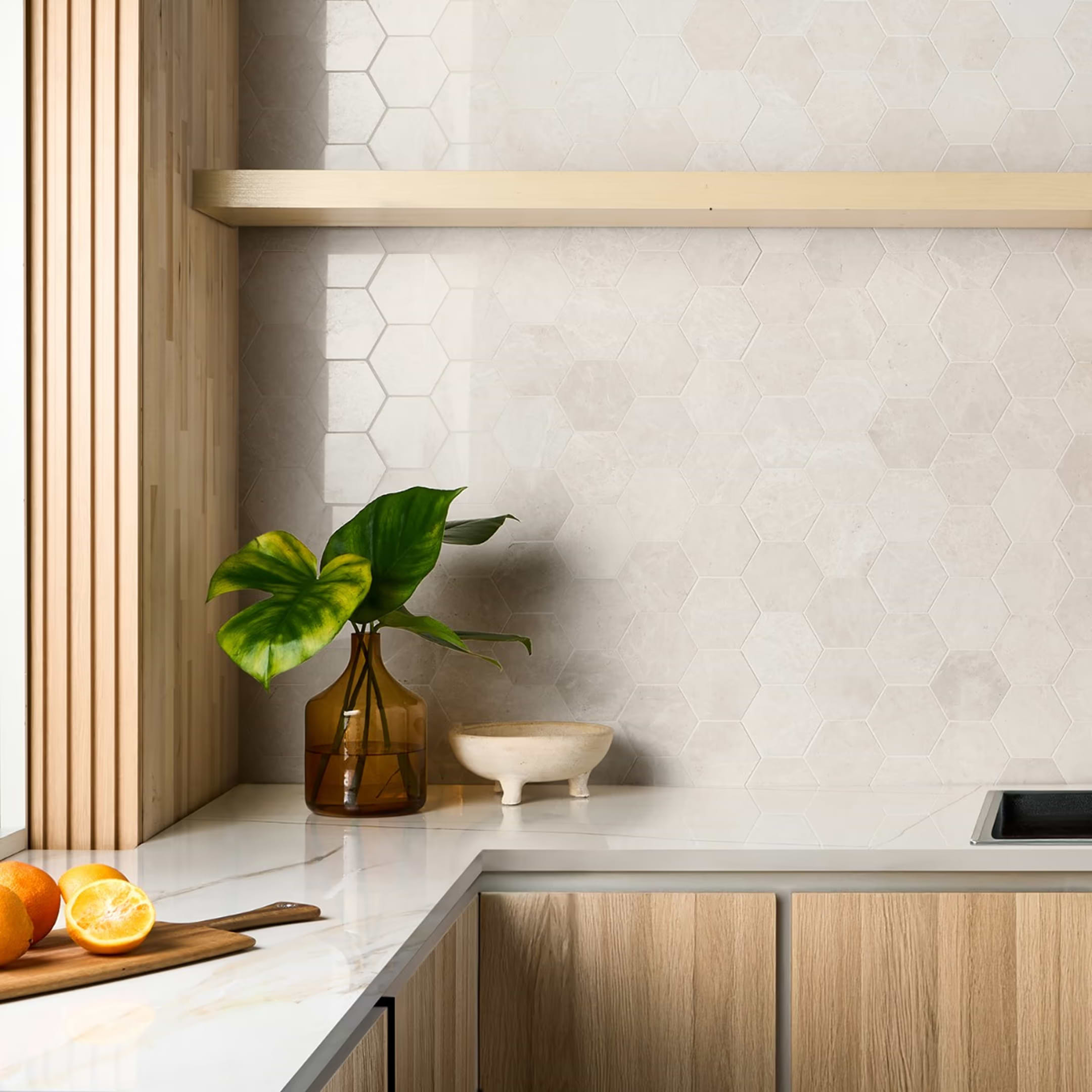
- Hexagon mosaics: Popular for their geometric shape, hexagon mosaics consist of small hexagonal pieces that are typically 1” or 2” wide and form a honeycomb-like pattern when installed.
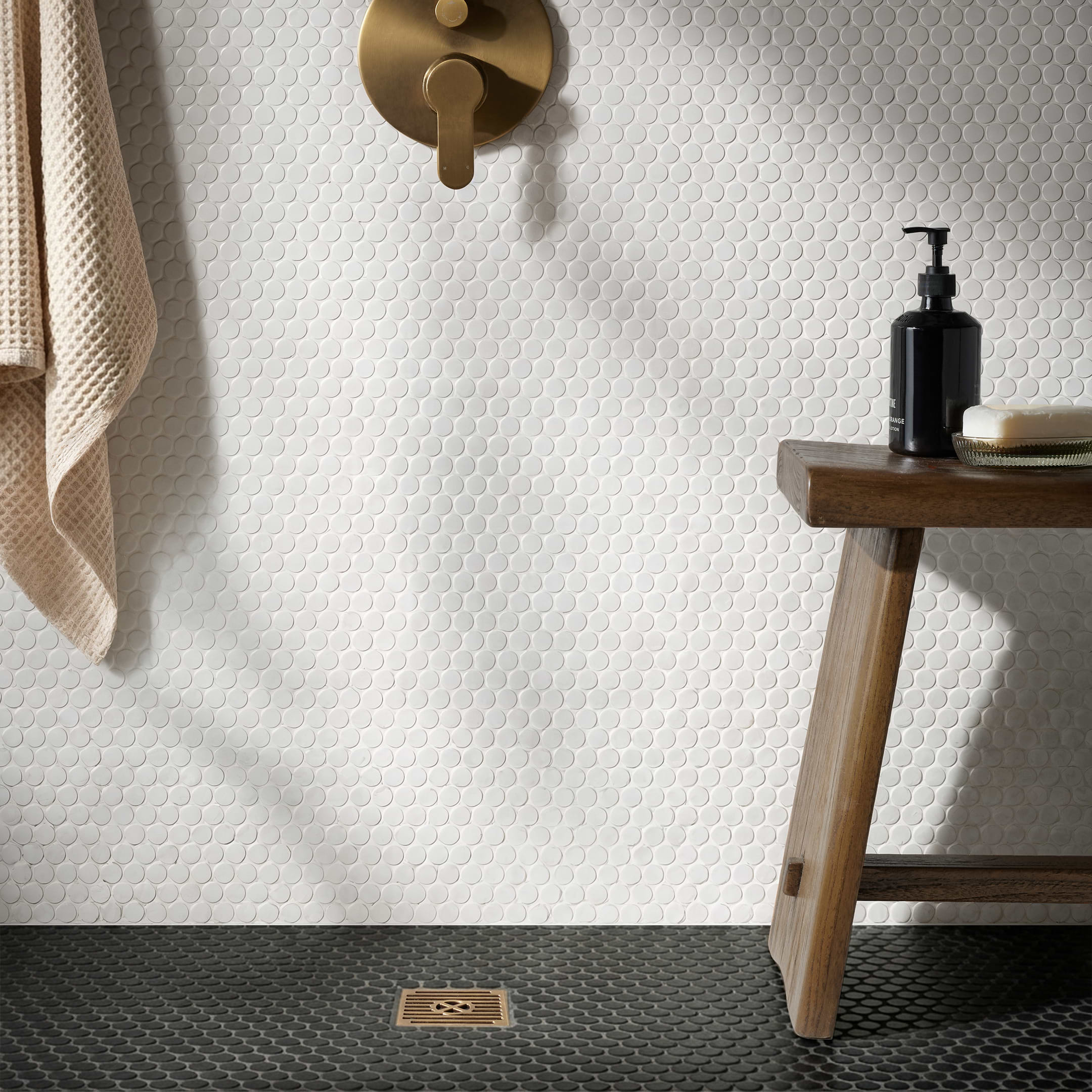
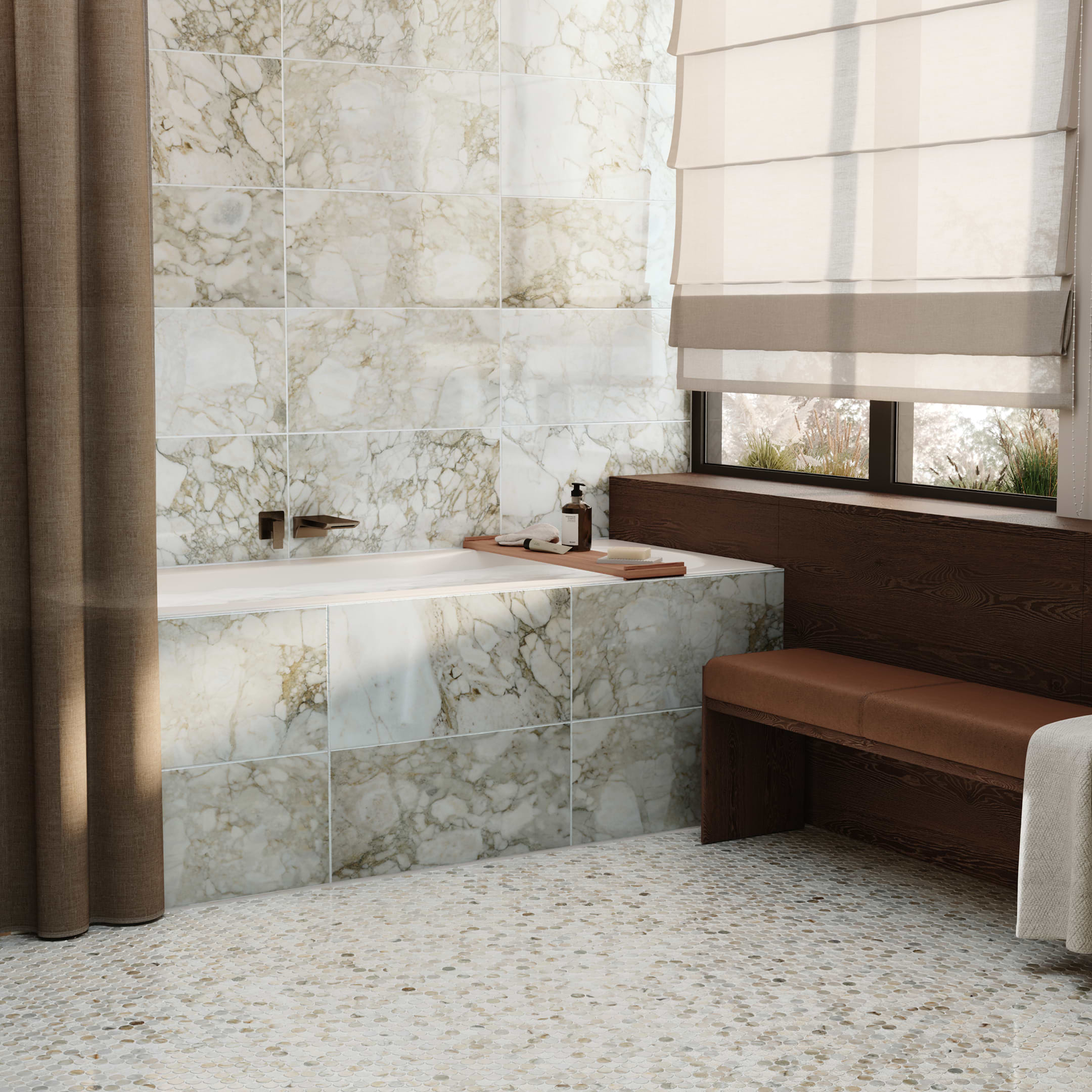
- Penny round mosaics: Penny round tiles are about the size of a penny (hence the name), and mosaics have been made with them since the Victorian era, their durability and traction making them popular in entryways and bathrooms.
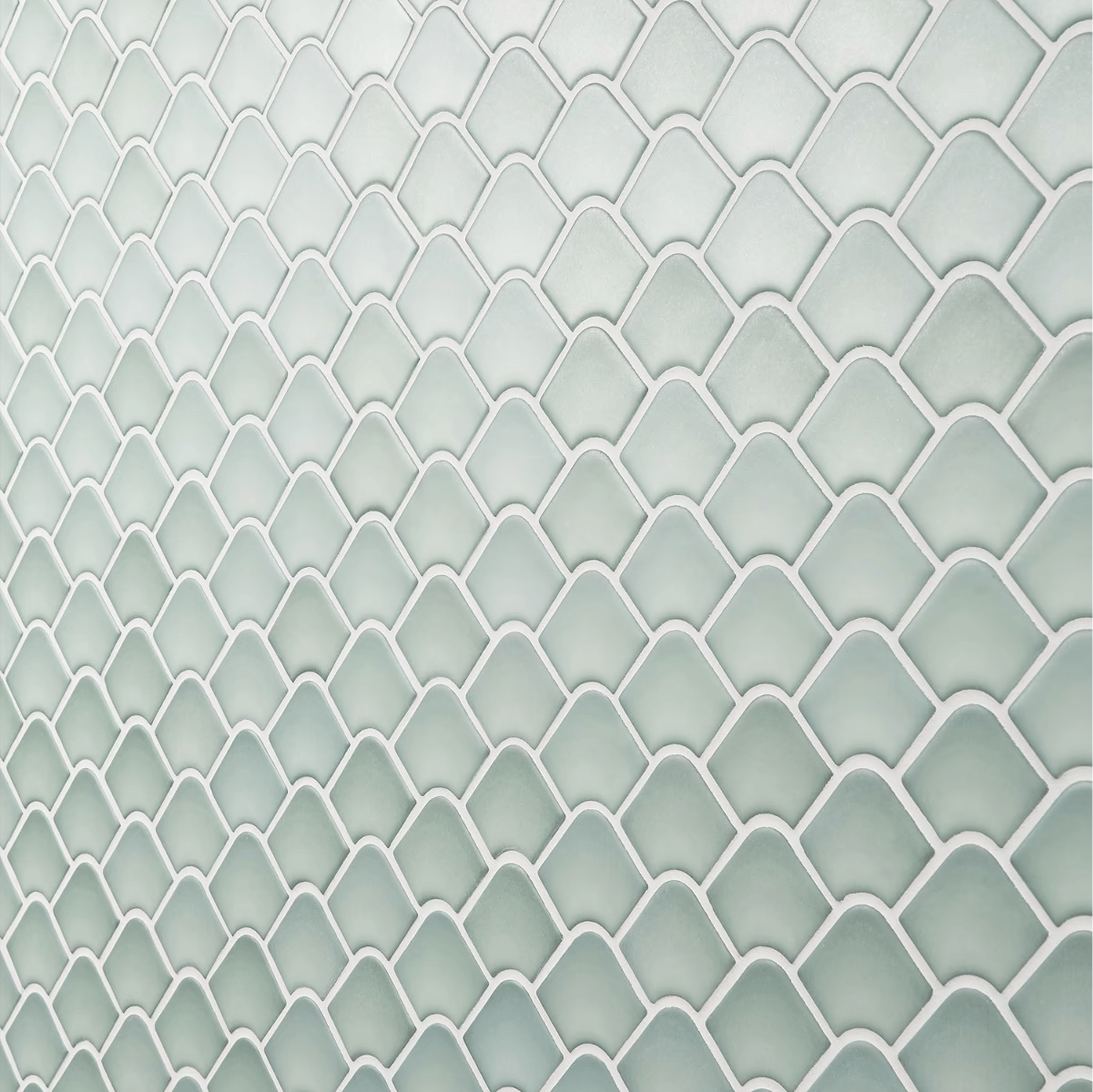
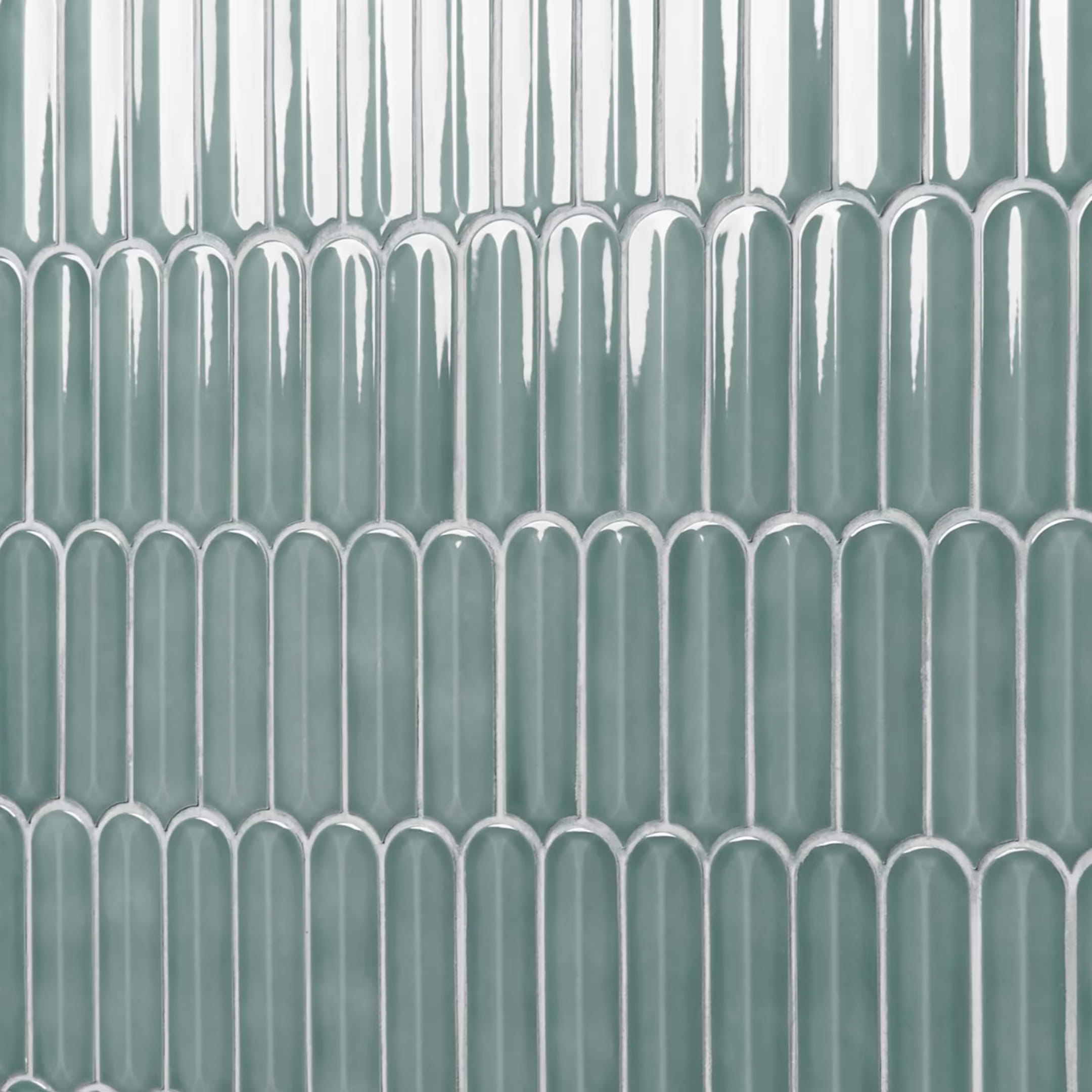
- Fish scale mosaics: Also known as scallop or mermaid tile, fish scale mosaics form a distinctly curved pattern. Fish scale shapes can be short and squat or slim and elongated.
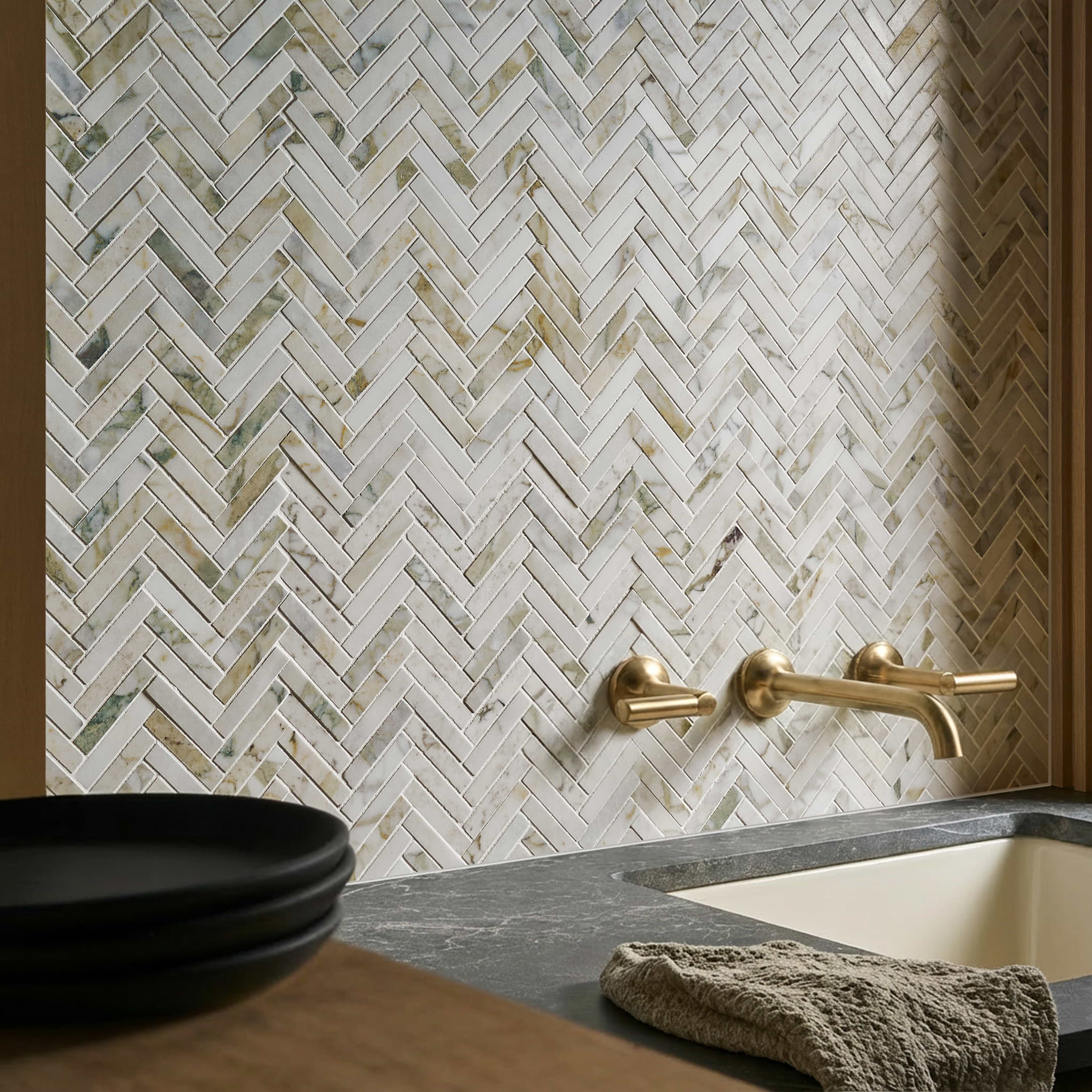
- Herringbone & chevron mosaics: Composed of rectangular tiles in classic herringbone or chevron patterns, these mosaics offer a visually striking look.
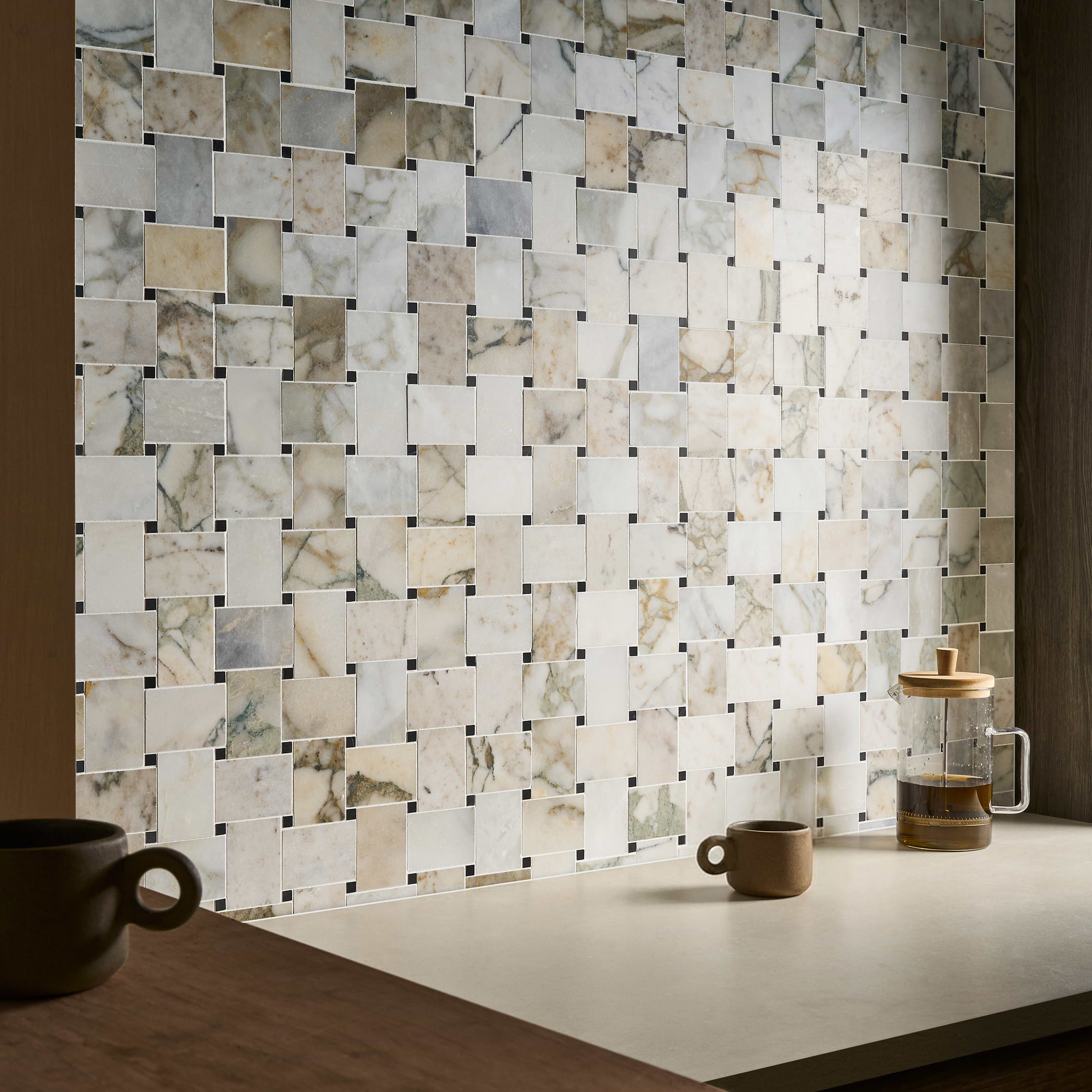
- Basketweave mosaics: This classic pattern combines rectangular and square pieces to mimic a basket’s interwoven design. Typically made of natural stone, they often also feature contrasting tones.
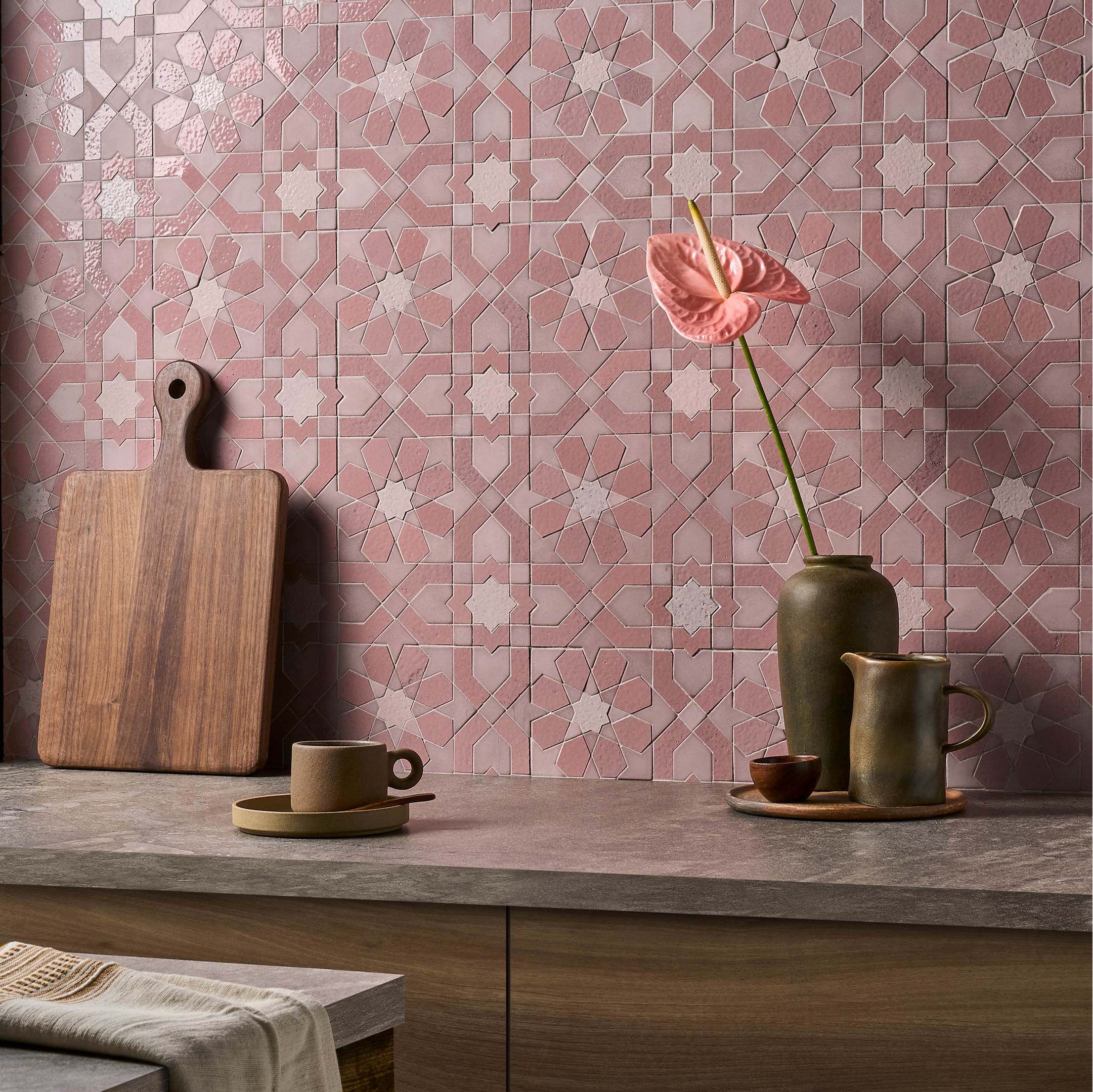
- Decorative mosaics: Intricately patterned and often consisting of mixed shapes and colors, these mosaics are made to stand out as a focal point in a room.
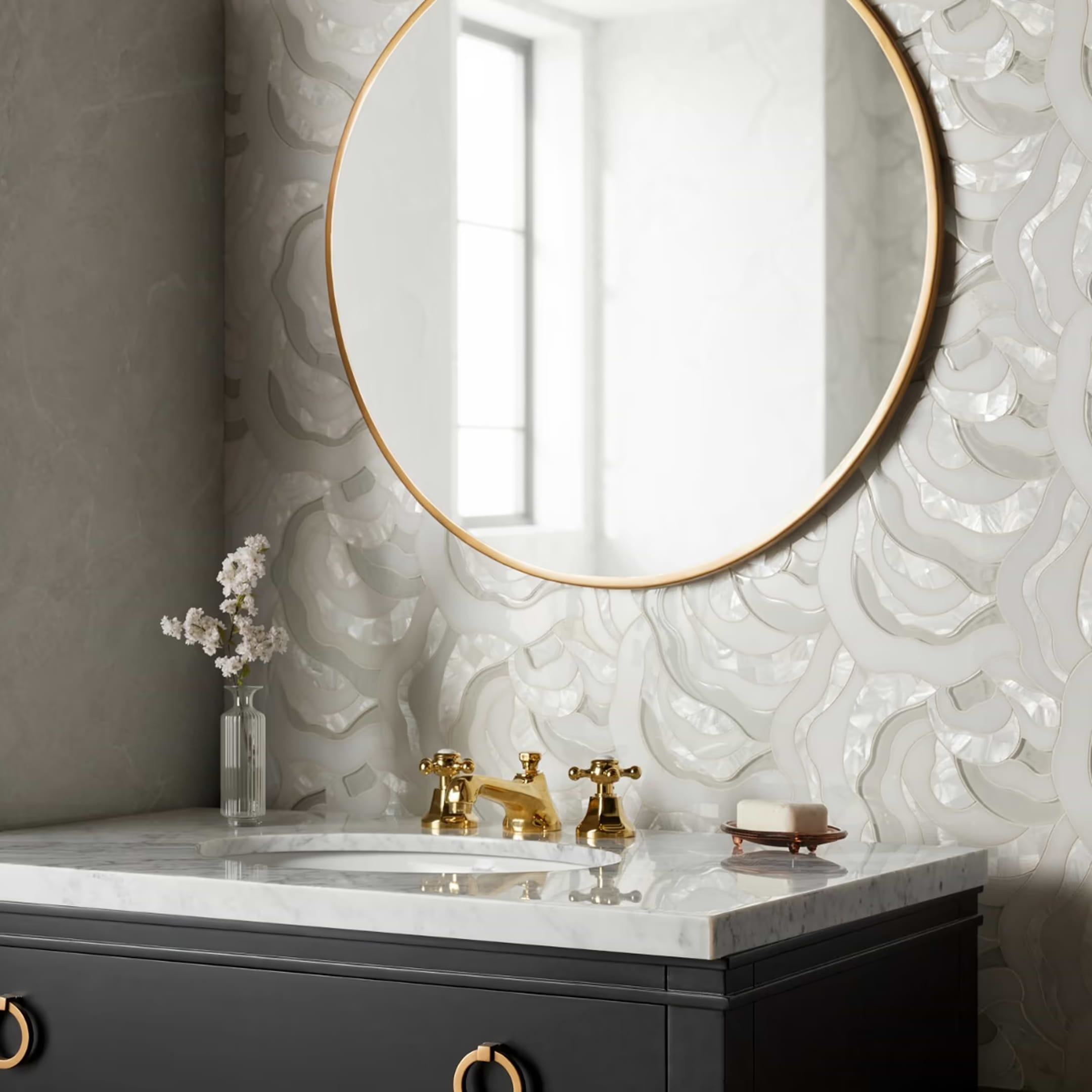
- Waterjet mosaics: Primarily made from natural stone, waterjet mosaics have incredibly intricate, detailed patterns thanks to the technology used. High-pressure water is used to cut the stone into precise shapes, which are then pieced together.
Where are mosaic tiles typically used?
Mosaics can be used on walls and floors in just about any room. However, given their high material and installation costs, people generally use mosaics in smaller, more intentional spaces like:
- Backsplashes. Mosaics are very popular for kitchen backsplashes, where they add character while being easy to wipe clean (when made from glass, porcelain, or ceramic).
- Entryway floors. Durable and high-grip, mosaics are an excellent choice for entryways, which are high-traffic areas where moisture might be tracked in.
- Bathroom walls. Mosaics can add an elevated touch to bathrooms, making them a popular design moment on walls.
- Shower floors. As with entryways, shower floors need tile that’s durable and slip-resistant, making mosaics an ideal solution.
FAQ: Common Questions for Mosaics
What makes a tile a mosaic?
A mosaic is made up of many small pieces—typically tiles—arranged together to form a pattern or design.
What are mosaic tiles made of?
Mosaic tiles are typically made of ceramic, porcelain, glass, or natural stone, though they can also include metal, shell, or a mix of materials.
What is the difference between a tile and a mosaic?
Standard tile typically comes in larger formats as stand-alone pieces, while mosaics consist of smaller pieces assembled on a mesh backing to form a motif or pattern.
What is a waterjet mosaic?
A waterjet mosaic is created using high-pressure water cutting technology, allowing for intricate shapes, precise edges, and complex designs.
What are the disadvantages of mosaic tiles?
Mosaics require more grout, which can mean increased maintenance and a more time-intensive installation.
What are the benefits of mosaic tiles?
Mosaic tiles come in many chic designs, offer slip resistance, and can flex to cover curved or irregular surfaces.
What are the common problems with mosaics?
Common issues include uneven installation, misaligned sheets, or grout discoloration if not properly sealed and maintained.
What is the lifespan of mosaic tiles?
When properly installed and maintained, mosaic tiles can last for decades, often matching the lifespan of standard tile.