
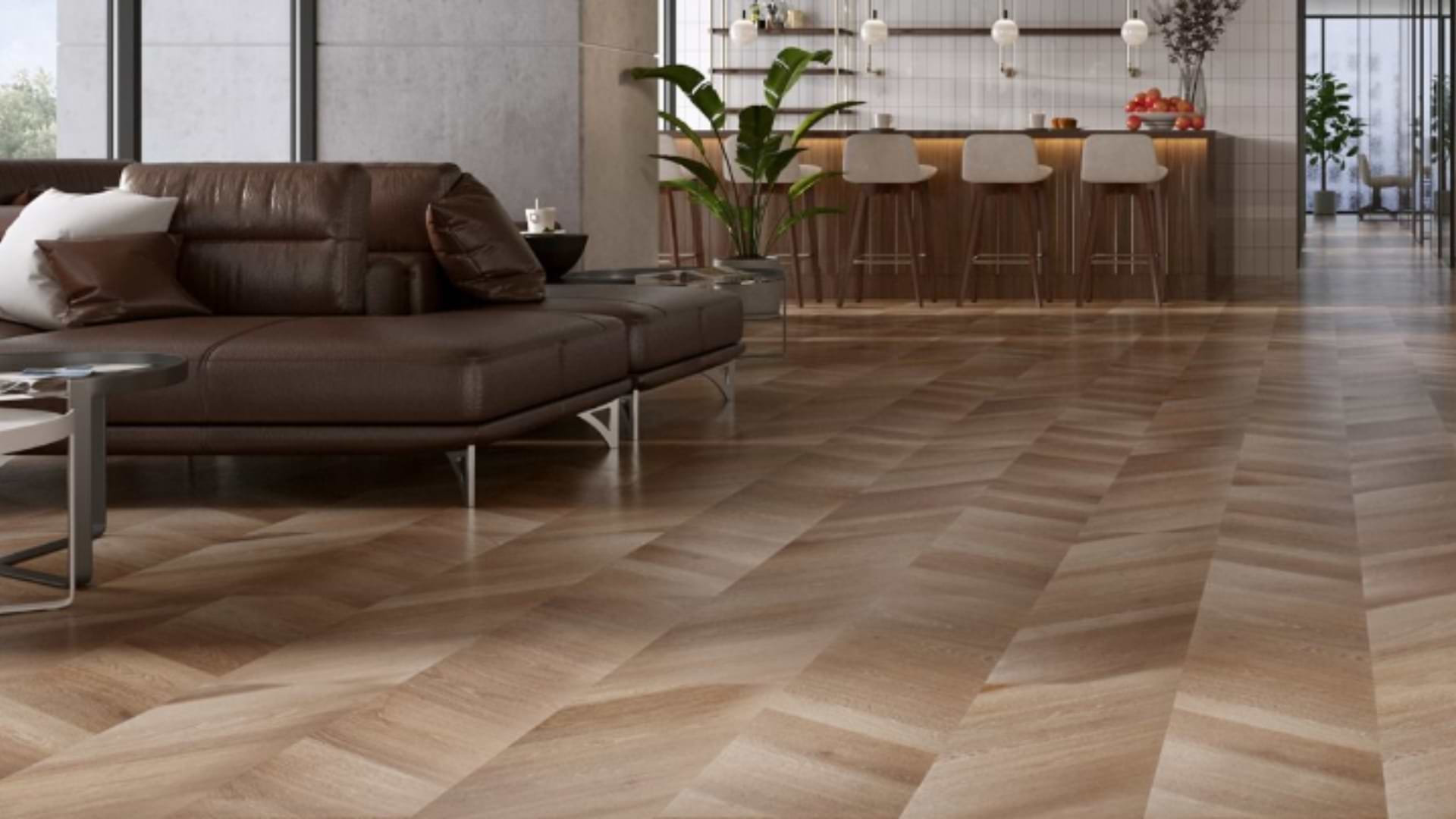
When it comes to achieving the warmth and beauty of hardwood without the maintenance challenges, wood-look vinyl flooring has become a go-to solution for homeowners and designers alike. Combining the authentic appearance of real wood with the durability and practicality of vinyl, these versatile planks allow you to create stylish, functional spaces throughout your home.
In this guide, we’ll explore the different types of wood flooring vinyl, highlight the key benefits of wood-look vinyl flooring, and share tips for selecting, installing, and caring for the right planks for your home.
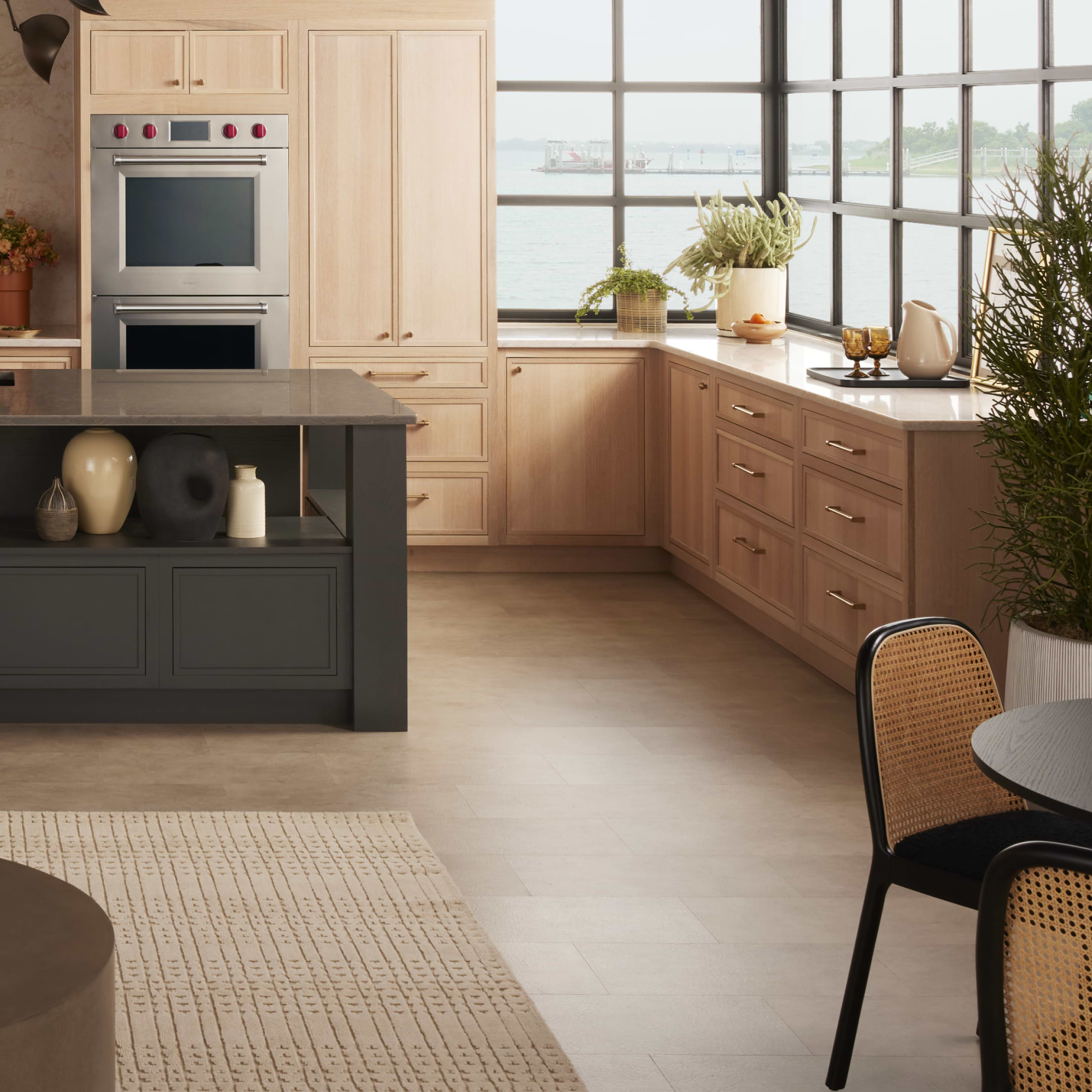

What is Wood-Look Vinyl Flooring?
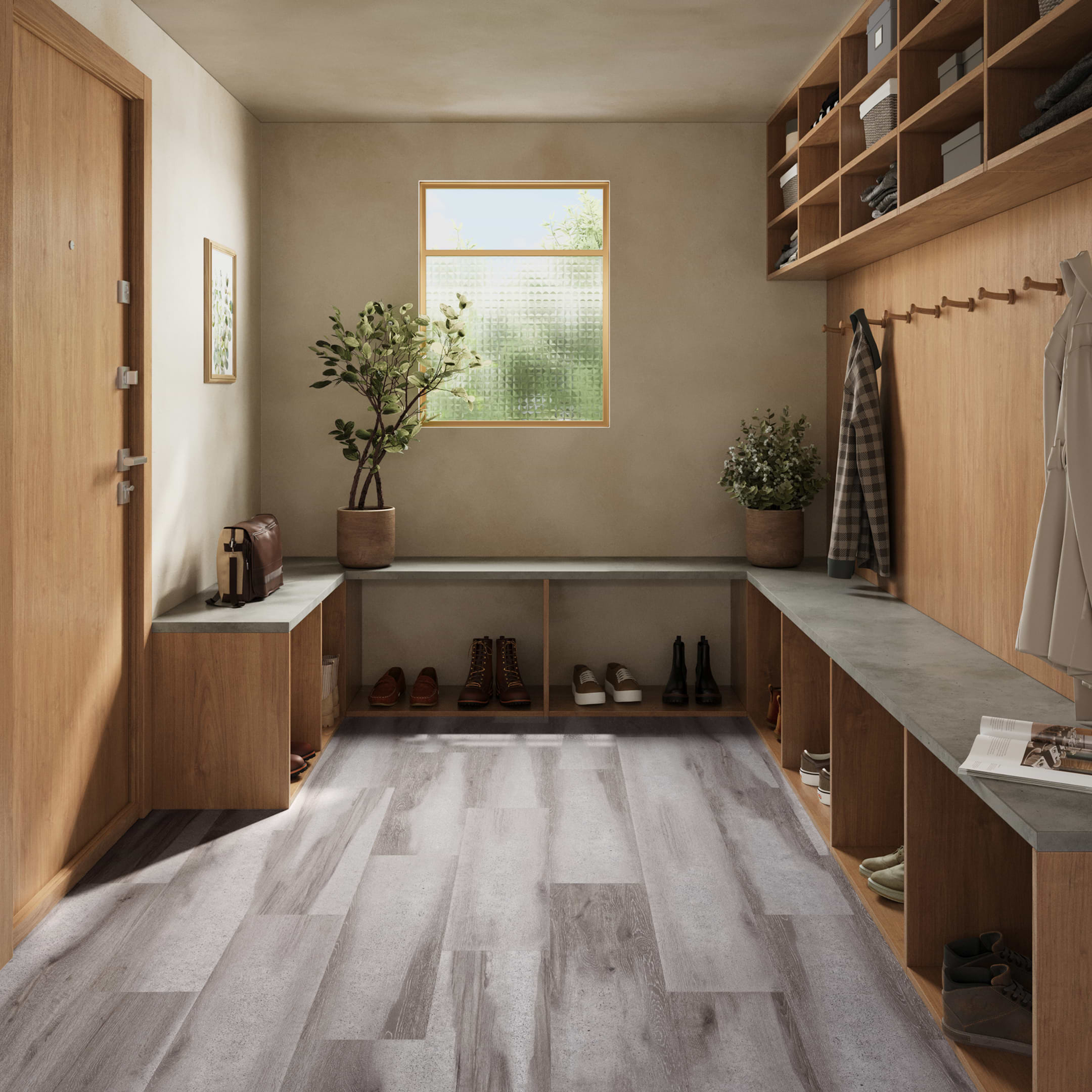
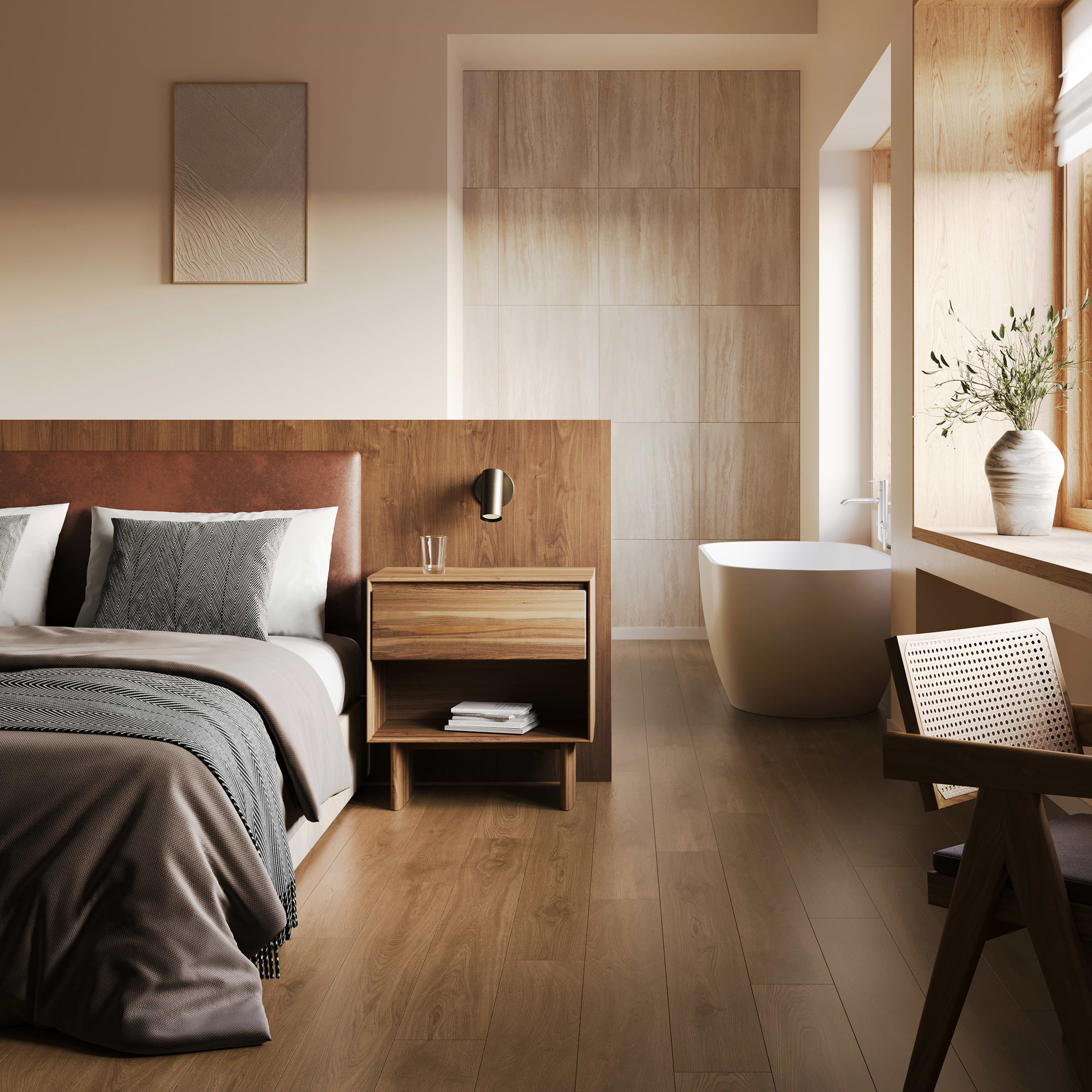
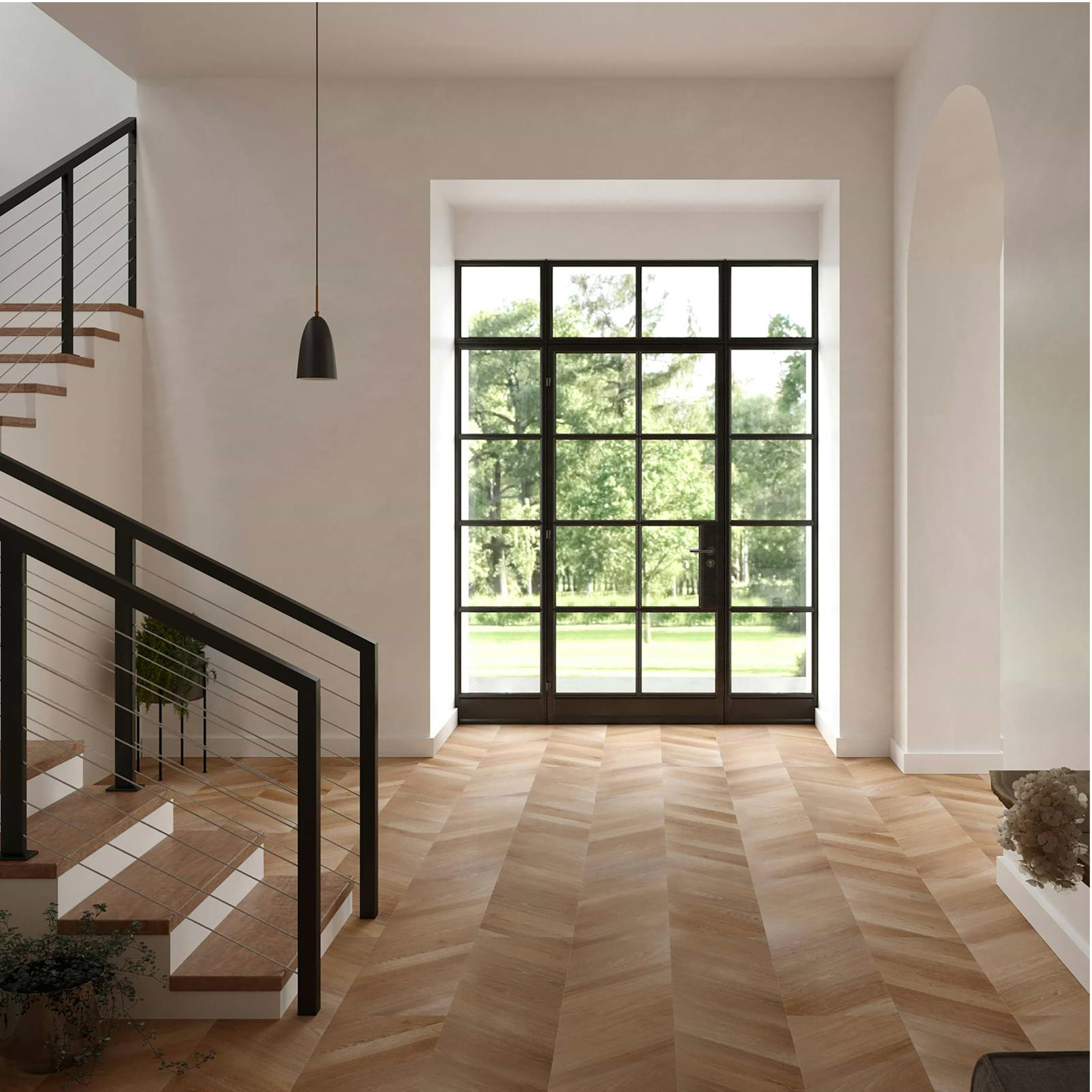
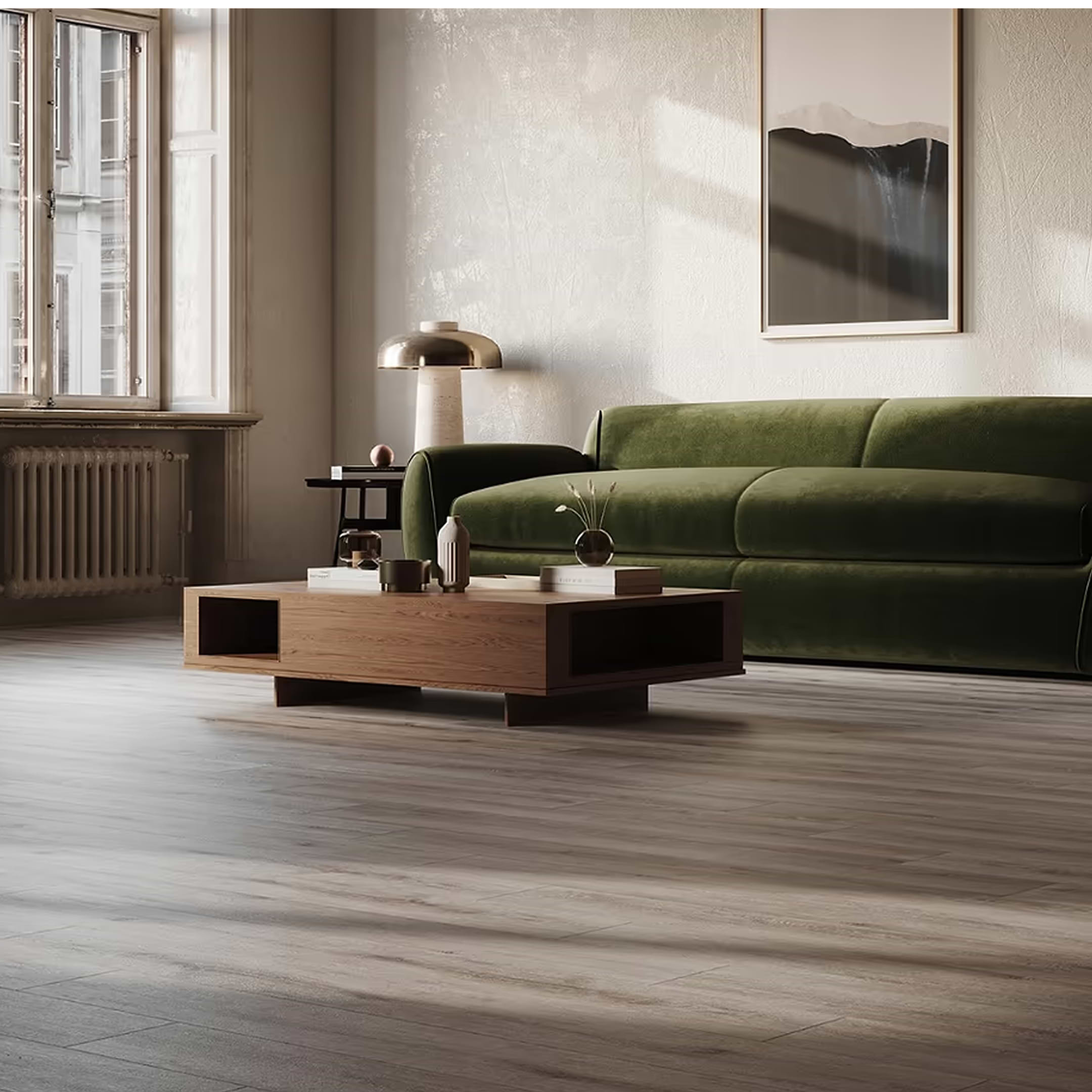
Wood-look vinyl flooring replicates the rich textures, grains, and tones of natural hardwood while offering the practical advantages of vinyl. Unlike traditional hardwood, it resists moisture, scratches, and wear, making it suitable for kitchens, bathrooms, living areas, and even high-traffic commercial spaces. Wood-look flooring comes in a range of finishes and colors, allowing you to achieve the look of oak, walnut, or reclaimed wood without the maintenance challenges.

Benefits of Wood-Look Vinyl Flooring
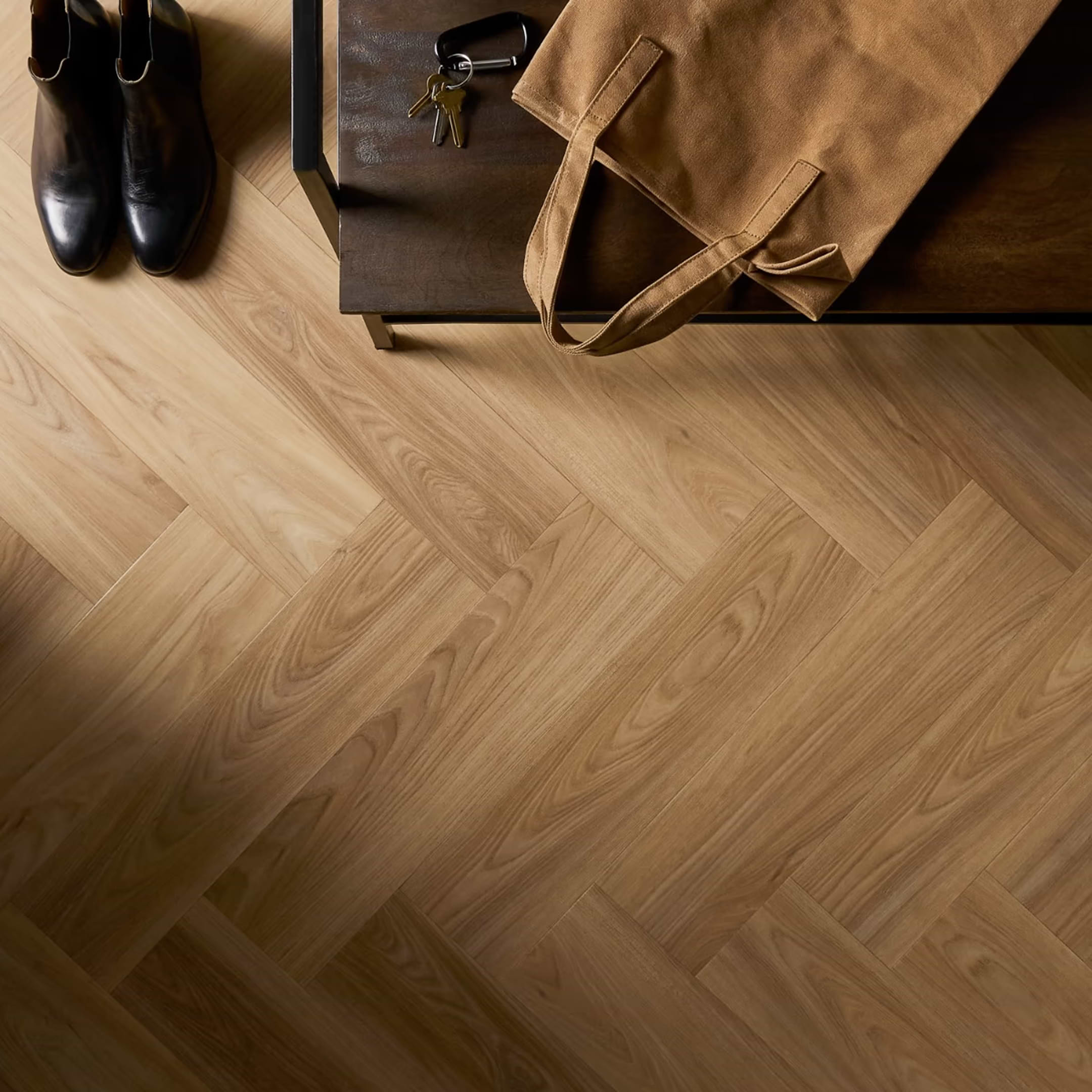
Wood-look vinyl flooring combines style with functionality, offering several advantages over traditional hardwood:
- Durability: Withstands heavy foot traffic, spills, and pets, keeping its appearance over time.
- Moisture Resistance: Perfect for areas prone to humidity or occasional water exposure, like bathrooms or basements.
- Easy Maintenance: Simple sweeping and occasional mopping are all that’s needed to maintain its beauty.
- Cost-Effective: Provides the aesthetic of hardwood at a fraction of the cost.
- Design Flexibility: Available in various plank sizes, colors, and textures to complement both modern and traditional interiors.
How to Choose the Right Vinyl Flooring
Selecting wood-look vinyl flooring involves considering several factors:
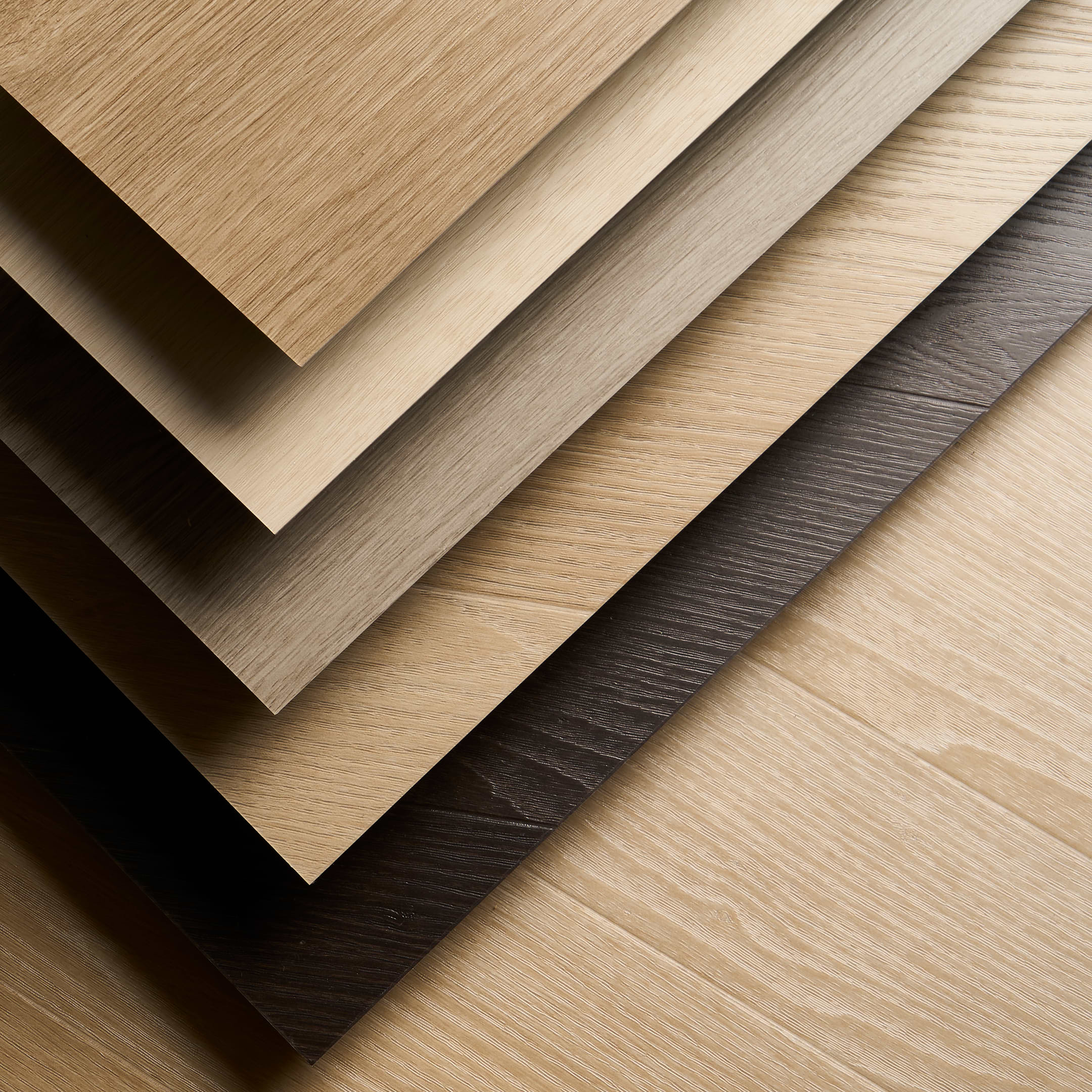
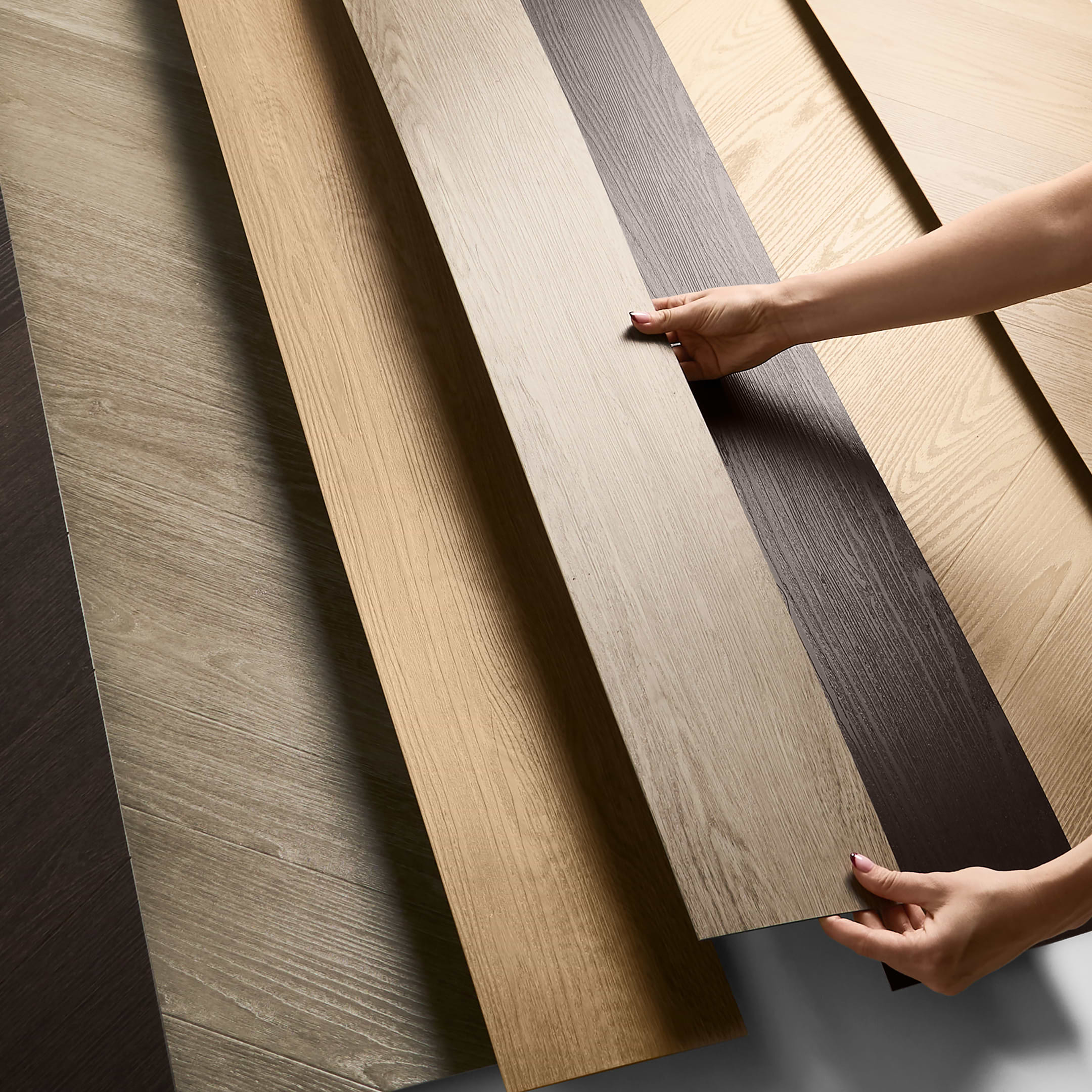
- Finish & Texture: Embossed, hand-scraped, or smooth finishes affect the realism and feel of the floor.
- Color & Tone: Lighter planks open small spaces, while darker tones create warmth and elegance.
- Plank Size: Wider planks make rooms feel more expansive, while narrow planks suit traditional layouts.
- Installation Type: Click-lock or glue-down options can influence installation ease and future flexibility.
By assessing these features, you can select the perfect wood-look vinyl flooring for both aesthetic appeal and practical performance.

Wood-Look Vinyl Installation Types
When it comes to wood-look flooring, vinyl tile is the standout option, offering the most realistic textures, durability, and design versatility. It comes in several installation styles; each suited to different spaces and project needs:
- Glue-Down LVT: Planks are adhered directly to the floor, creating a very stable and long-lasting surface. This method works well in large areas and high-traffic spaces but typically requires professional installation.
- Click-Lock LVT: These planks snap together without adhesive, making them ideal for DIY projects. They are easy to install and replace, and they perform well in most areas of the home, though they may be slightly less sturdy than glue-down options.
- Loose-Lay LVT: These planks rely on weight and friction to stay in place, offering a simple, floating installation. Loose-lay LVT is convenient for temporary installations or areas where quick removal is desirable, but it may not be ideal for extremely high-traffic zones.
Installation Tips for Wood-Look Vinyl
Proper preparation is key to a successful wood-look vinyl flooring installation. Begin by ensuring your floor is clean, dry, and leveled, which provides a solid foundation for the planks. Allow the vinyl to acclimate to room temperature and humidity for at least 48 hours before installation to prevent expansion or contraction. Following the manufacturer’s guidelines carefully will help ensure longevity and prevent issues such as gaps or buckling. Click-lock planks are a DIY-friendly option for smaller projects, while professional installation is recommended for glue-down styles or larger spaces.
Caring for Your Wood-Look Vinyl Flooring
Maintaining wood-look vinyl flooring is simple and straightforward. Regular sweeping or vacuuming removes dust and debris, while promptly wiping up spills helps prevent staining. Clean the floor with a damp mop and a mild cleaner designed specifically for vinyl, and avoid harsh chemicals or abrasive tools that could damage the surface. With minimal upkeep, wood-look vinyl flooring can maintain its charm, appearance, and performance for many years.
FAQ: Common Questions for Wood-Look Vinyl Tile
What is LVT?
Luxury vinyl tile (LVT) is the highest-performing class of vinyl flooring, prized for its durability and lifelike appearance. TileBar’s vinyl collections are exclusively LVT.
Is wood-look vinyl flooring any good?
Yes—it is highly durable, water-resistant, and designed to mimic the appearance of real hardwood, making it a practical and stylish choice for many homes.
What are the negatives of wood-look vinyl plank flooring?
Some vinyl planks can dent under heavy furniture, and lower-quality products may appear less realistic than hardwood. Proper installation is also key to preventing gaps or buckling over time.
How expensive is wood-look vinyl flooring?
Wood-look vinyl flooring options are generally more affordable than traditional hardwood. Costs vary based on quality, thickness, and style, but it provides a cost-effective way to achieve a hardwood look.
Is vinyl wood flooring better than laminate flooring?
Vinyl usually offers superior water resistance, flexibility, and durability compared to laminate, making it suitable for kitchens, bathrooms, and other high-moisture areas.
Is there a difference between lino and vinyl?
Yes—linoleum is made from natural materials such as linseed oil and cork dust, while vinyl is a synthetic material. Vinyl generally offers greater water resistance and a wider range of realistic wood patterns.
Is lino cheaper than wood flooring?
Yes—linoleum and vinyl are typically less expensive than hardwood flooring while still providing a wood-like appearance.
Do they make linoleum that looks like wood flooring?
Yes, wood-patterned linoleum is available, though it is less common than wood-look vinyl flooring, which offers a more extensive variety of textures and finishes.
Can you get vinyl flooring that looks like wood?
Definitely—wood-look vinyl flooring is specifically designed to mimic the color, grain, and texture of real hardwood, providing a convincing alternative to traditional wood floors.
What is the downside to vinyl flooring?
While durable, vinyl can be prone to dents or scratches from heavy furniture, and cheaper products may look less realistic. Additionally, some vinyl planks cannot be refinished like hardwood, so replacement is necessary if damaged.