Visit
Visit 
Outdoors Tile Ideas for Patios, Pools and More

 Copy Link
 Email
Email
 Twitter
 Pinterest
 Instagram
 Facebook
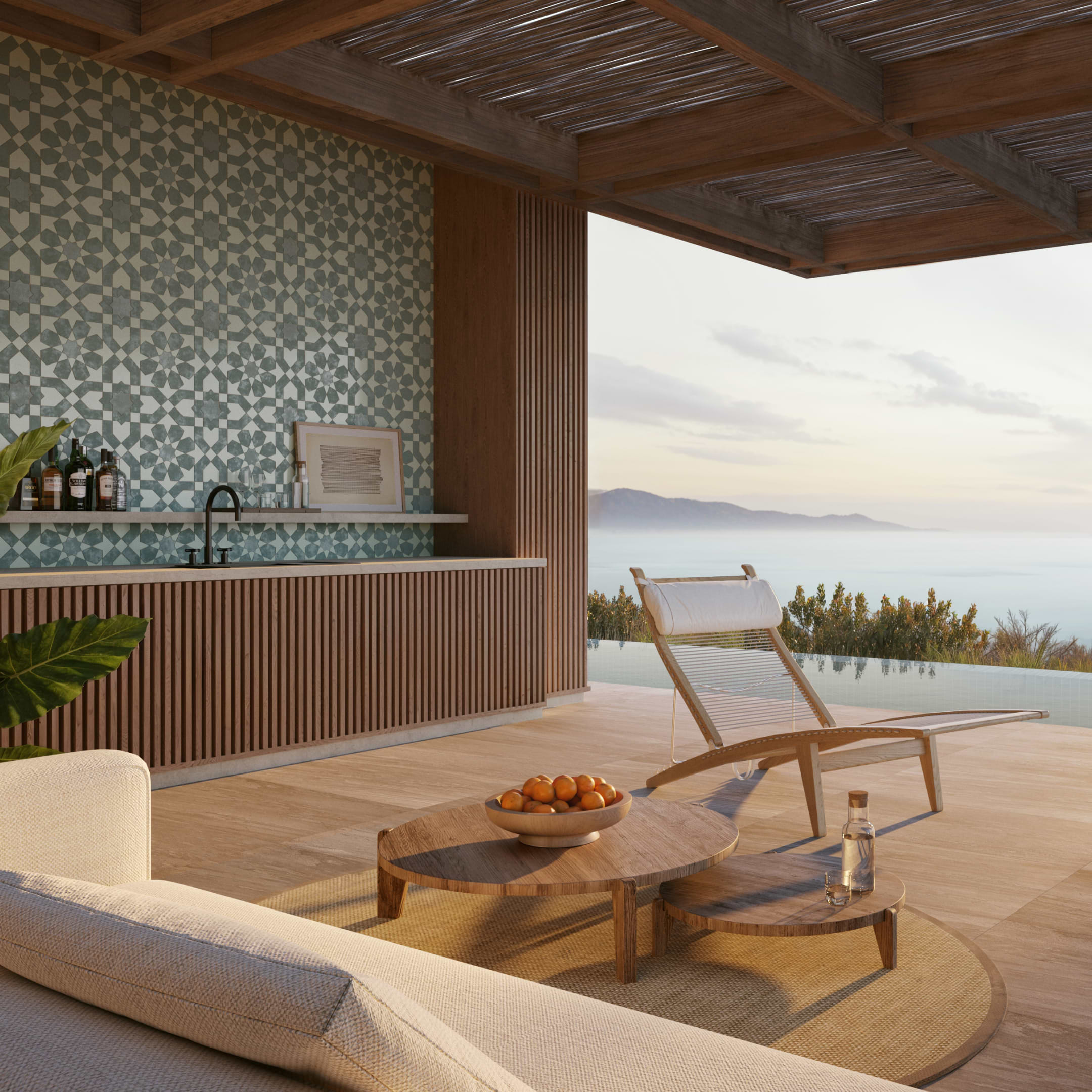
Outdoor spaces have become natural extensions of the home, creating opportunities to relax, entertain, and connect with the outdoors. Choosing the right tile plays a major role in both the appearance and performance of these areas, helping homeowners achieve spaces that are durable, safe, and easy to maintain.
From patios and decks to pool surrounds and front porches, outdoor tile can elevate your space while standing up to the elements. Here are some common outdoor tile questions, answered.
What Makes a Good Outdoor Tile?
Outdoor tile must perform differently from interior surfaces. Exposure to weather, moisture, and temperature fluctuations means durability and slip resistance are essential.
When evaluating outdoor tile, look for materials that:
- Resist moisture and temperature changes
- Provide traction when wet
- Withstand heavy foot traffic
- Maintain color over time
- Require minimal maintenance
Porcelain tile and natural stone are two of the most popular options because they combine strength with design versatility.
Which Tiles Work Best for Patios and Decks?
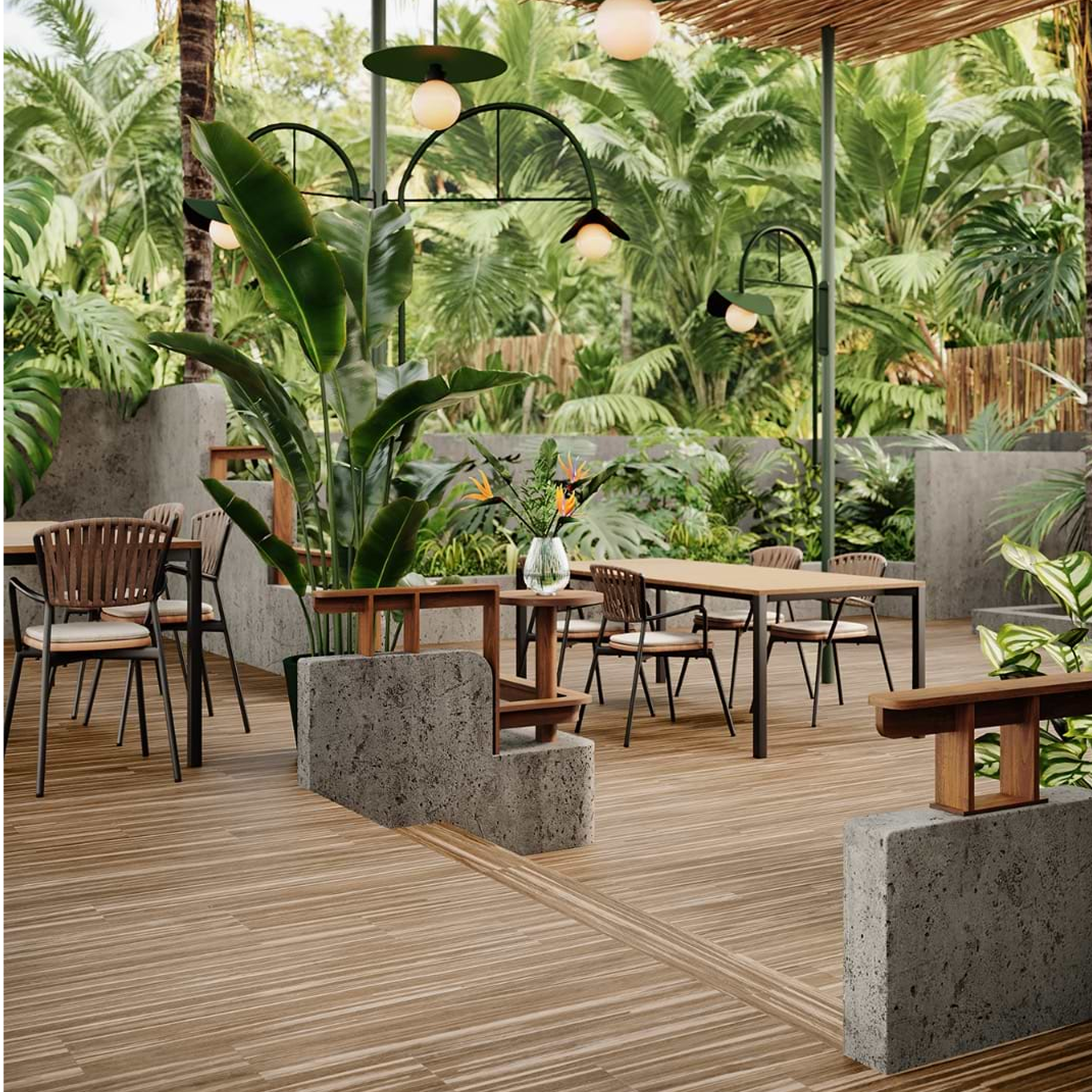
- Both porcelain and natural stone perform well outdoors, offering different aesthetic and performance advantages.
- Natural stone, including travertine, limestone, and granite, provides organic texture, timeless appeal, and subtle variation that connects beautifully to surrounding landscapes.
- Porcelain tile offers exceptional durability and low maintenance while replicating the look of natural materials such as stone, wood, or concrete. Matte or textured finishes are typically recommended outdoors to improve slip resistance.
Why Are Porcelain Pavers So Popular Outdoors?
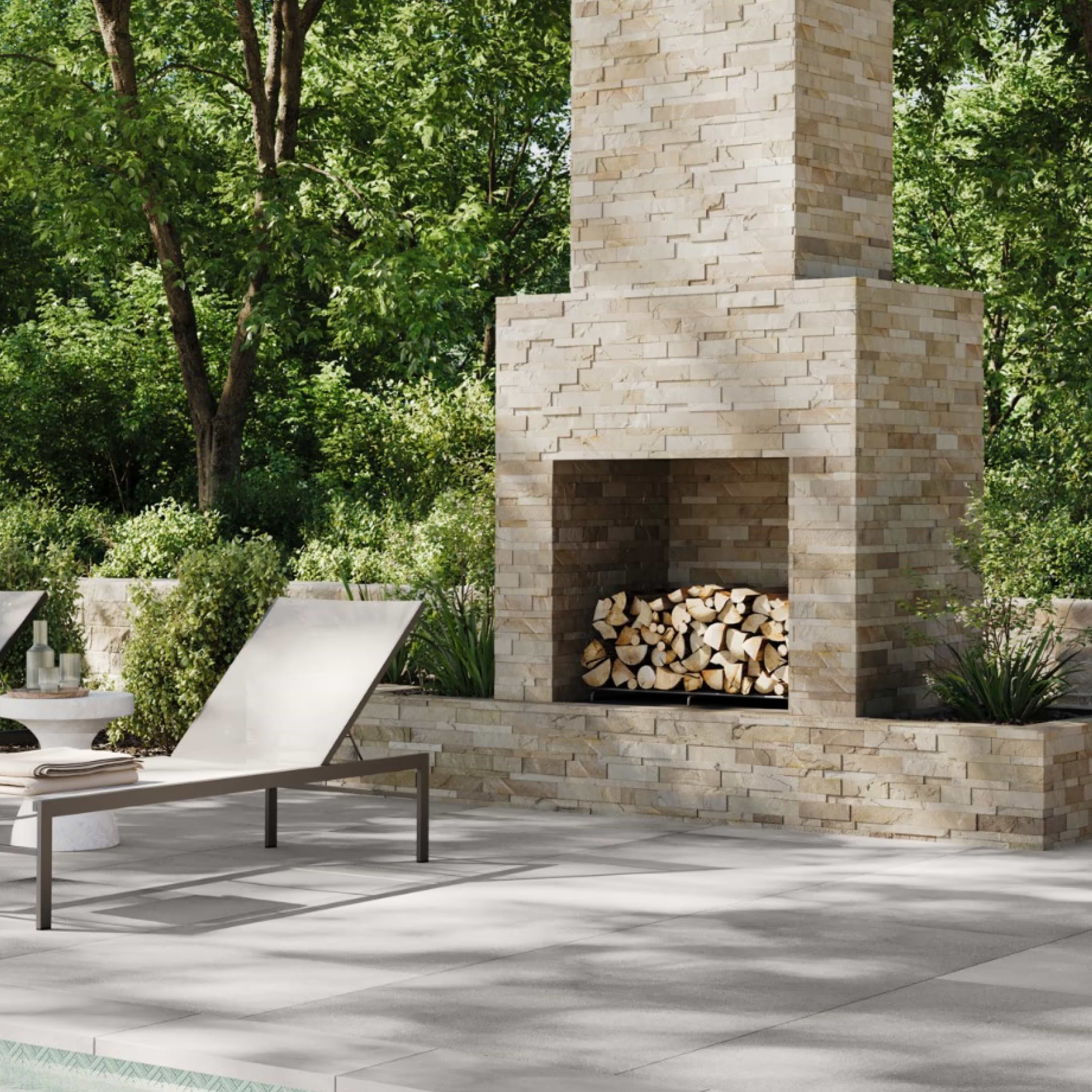
Porcelain pavers are specifically engineered for exterior environments and are significantly thicker than standard indoor tile. Most outdoor porcelain pavers are approximately 2 cm (about 3/4 in) thick, providing enhanced strength and resistance to weather, impact, and heavy use.
Another advantage is installation flexibility. Porcelain pavers can be installed in several ways depending on the project:
- Dry-laid over gravel or sand
- Installed on adjustable pedestal systems for rooftop or deck applications
- Mortar-set over concrete slabs
This versatility makes porcelain pavers one of the most adaptable solutions for outdoor flooring.
What Tile Works Best Around Pools?
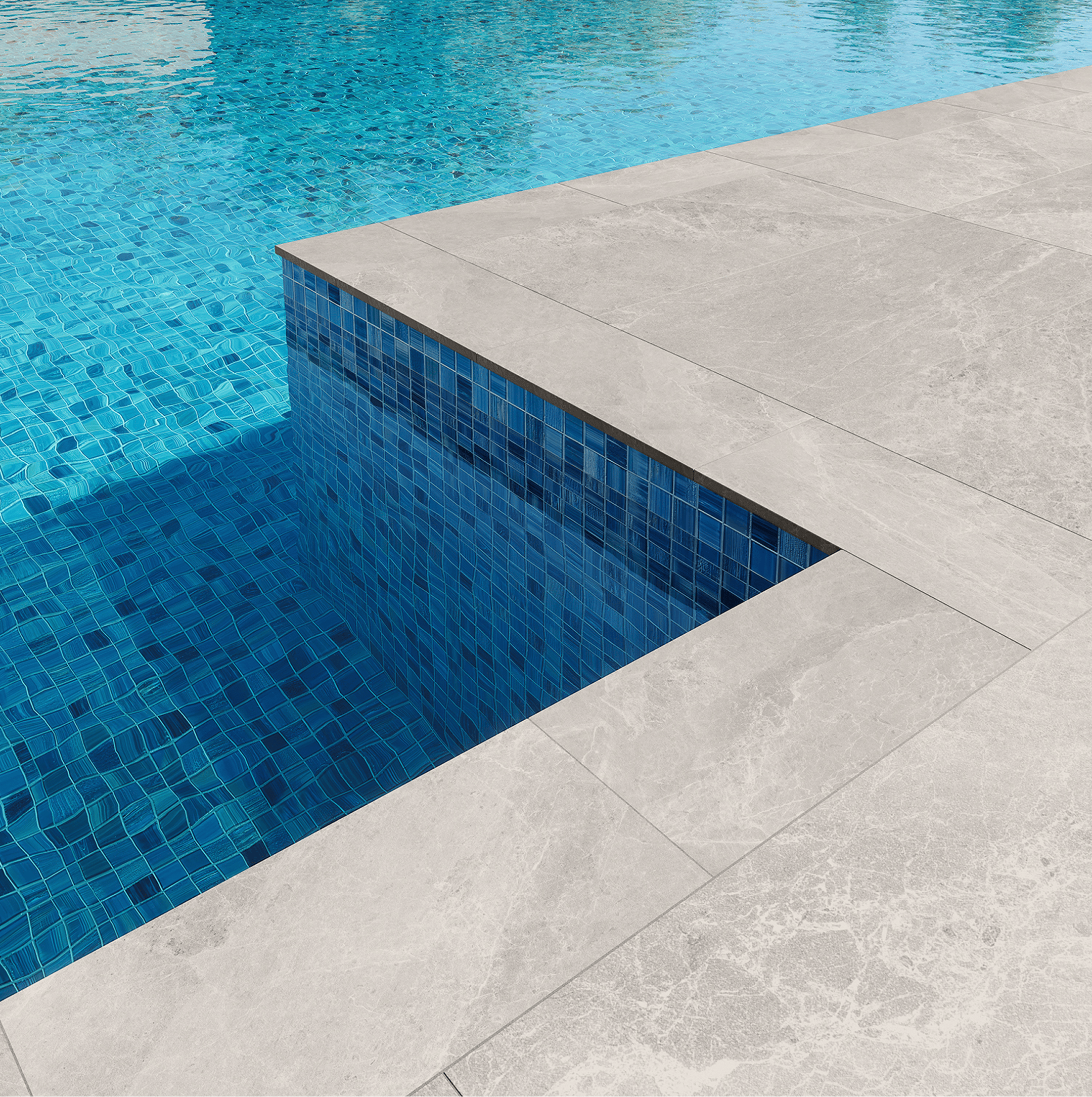
Pool areas require materials that can handle constant moisture exposure while maintaining safety. Slip resistance and durability are especially important.
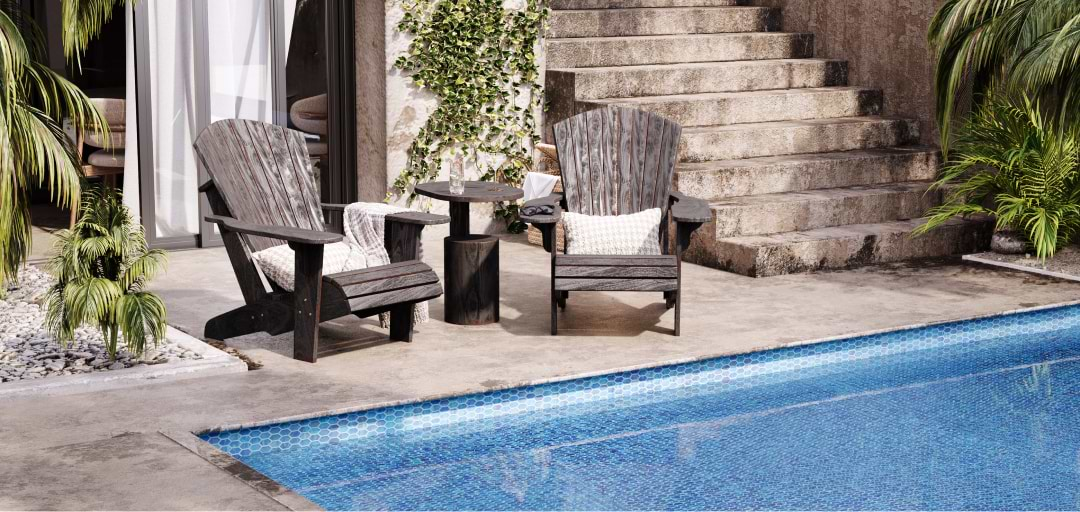
Mosaic tile remains a classic choice for pool interiors. Often made from glass or porcelain, mosaics enhance the appearance of water through color variation and light reflection while conforming easily to curved surfaces.
Porcelain tile is also widely used around pool decks and coping because of its strength and water resistance. Textured finishes help improve traction in wet conditions.
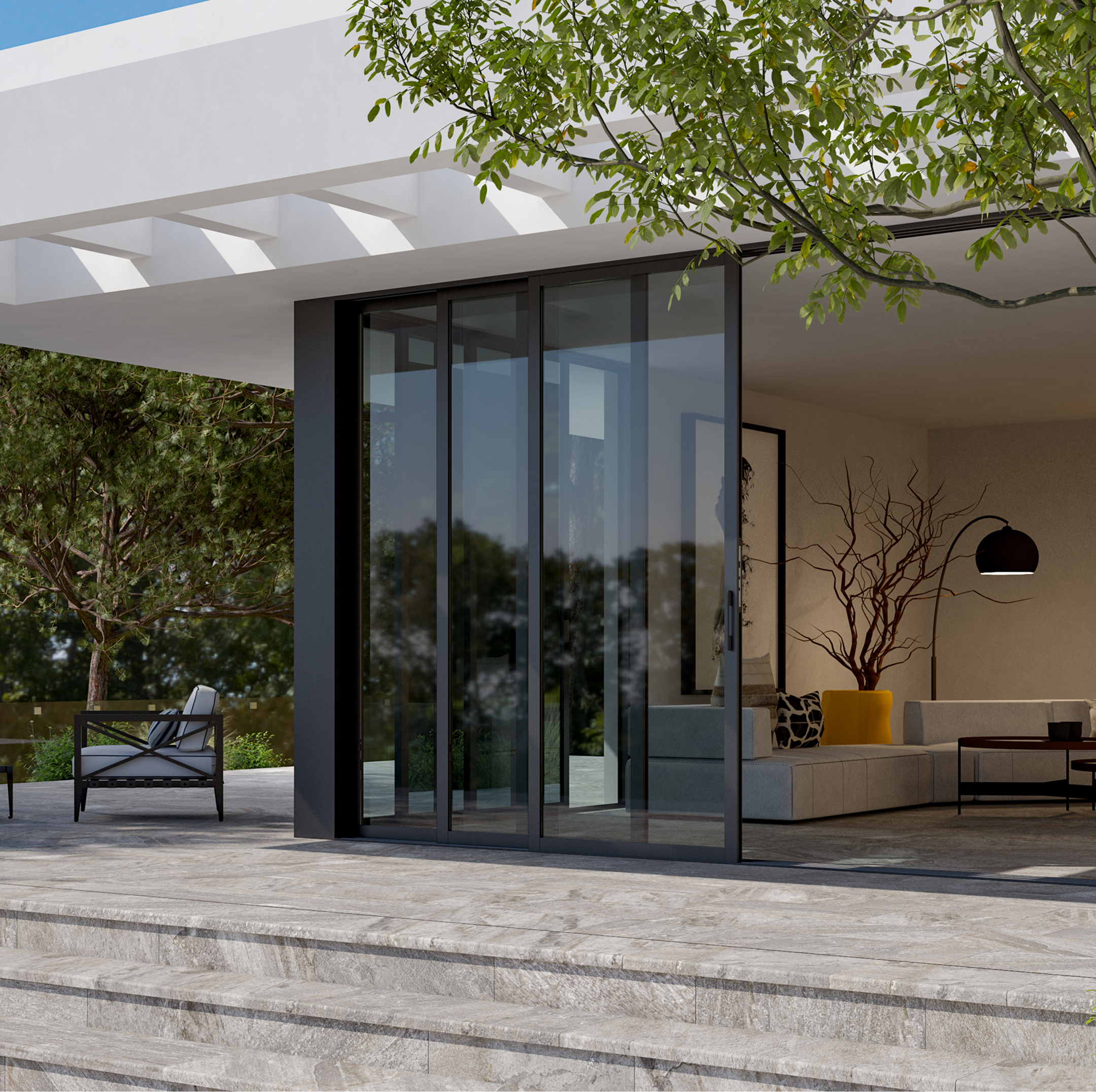
Can You Use Tile on a Front Porch?
Yes. A tiled front porch can create a welcoming entrance while improving durability compared to painted or sealed concrete surfaces. Exterior-rated porcelain or natural stone materials are typically recommended for these applications to ensure long-term performance.
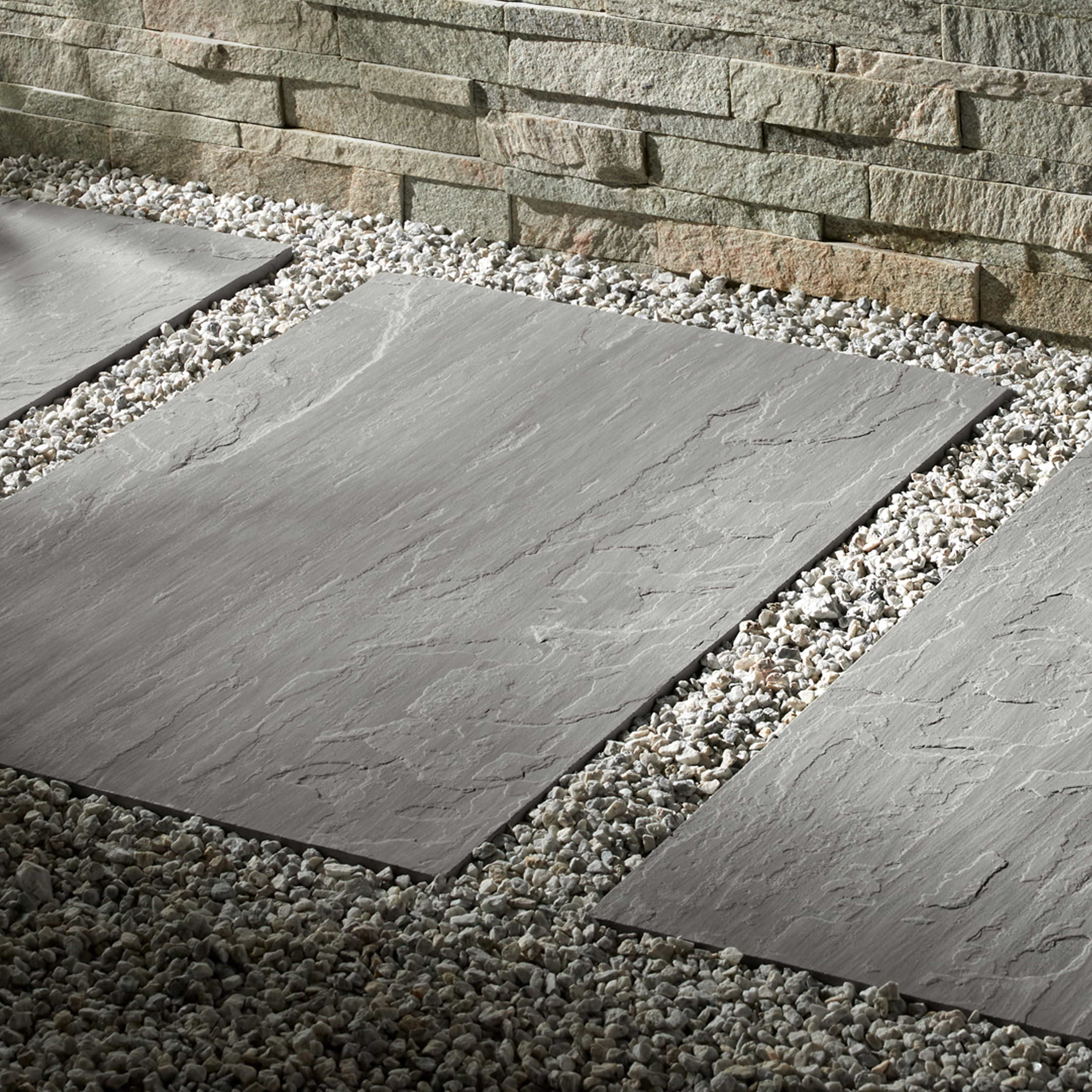
How Durable Are Outdoor Tiles?
Durability depends on both material quality and installation. One measurement often referenced is the PEI rating, which indicates a tile’s resistance to wear from foot traffic.
For outdoor environments, tiles with a PEI rating of 4 or 5 are generally recommended, as they are designed to withstand residential or commercial use. Proper installation and substrate preparation are equally important for preventing cracking or shifting over time.
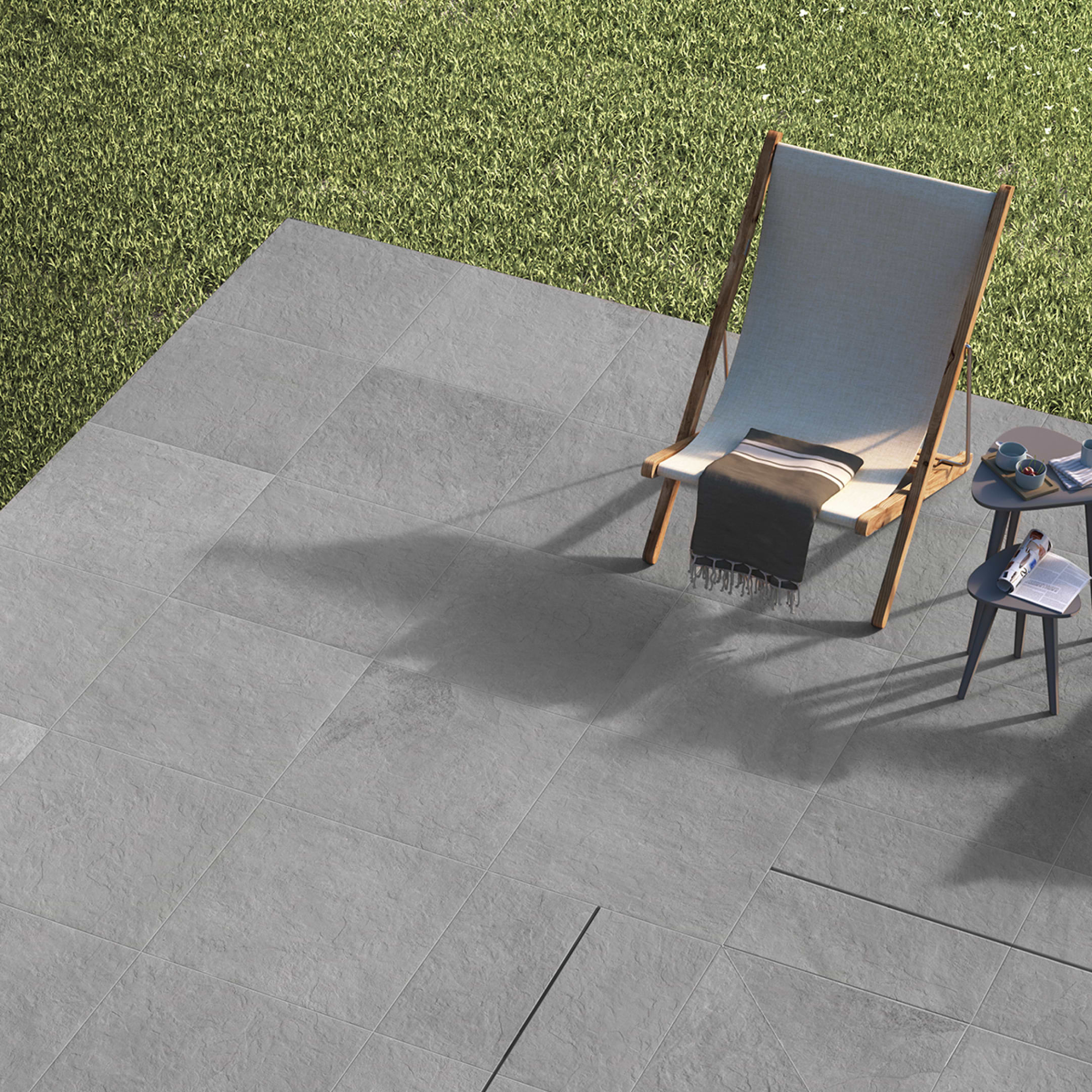
Can You Install Tile Over Concrete?
Existing concrete patios can often be used as a base for new tile installation, provided the surface is stable and properly prepared. Preparation is essential to achieving long-lasting results.
Typical steps include:
- Confirming the concrete is level and structurally sound
- Cleaning thoroughly to remove debris or contaminants
- Repairing cracks or uneven areas
- Applying appropriate bonding materials
- Installing tile with exterior-rated mortar
Professional installation is often recommended to ensure proper drainage and durability.
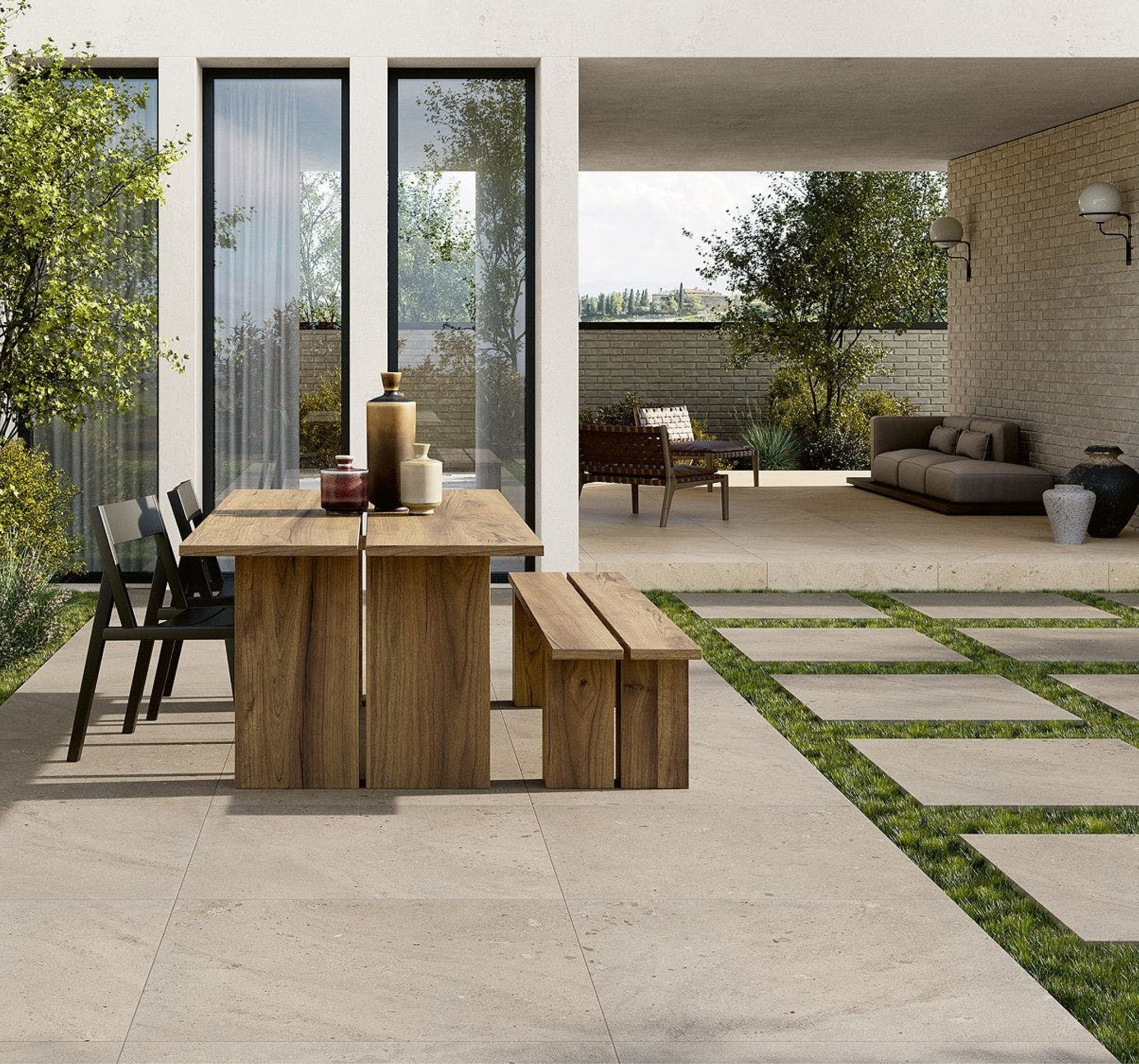
What Should You Consider Before Choosing Outdoor Tile?
Before finalizing materials, consider how the space will be used. Climate, foot traffic, maintenance preferences, and design style all play a role in determining the best option.
In warmer climates with minimal seasonal changes, many materials perform well. In regions with freeze-thaw cycles, porcelain is often preferred because of its durability and moisture resistance. Regardless of material, slip resistance should always remain a priority.
Final Thoughts
Outdoor tile has the ability to transform patios, pools, porches, and walkways into cohesive extensions of your home. By choosing materials designed to withstand the elements — such as porcelain pavers or natural stone — you can create spaces that balance durability with thoughtful design.
Whether you’re exploring patio tile ideas, planning outdoor steps, or designing a tiled front porch, the right tile selection can elevate both the function and appearance of your outdoor environment for years to come
Related Articles
Explore Our
Tilefinder