Visit
Visit 
What to Consider When Choosing Shower Tiles
 Copy Link
 Email
Email
 Twitter
 Pinterest
 Instagram
 Facebook
Choosing the right tile for your shower involves more than picking a color or pattern you love—it’s about balancing style, function, and maintenance. From walls to floors, different tile materials perform differently in these wet, high-traffic spaces, and size, texture, and layout can all impact both look and safety. This guide walks you through evaluating your bathroom’s design, understanding the pros and cons of common shower tiles, and provides quick answers to common shower tile questions.
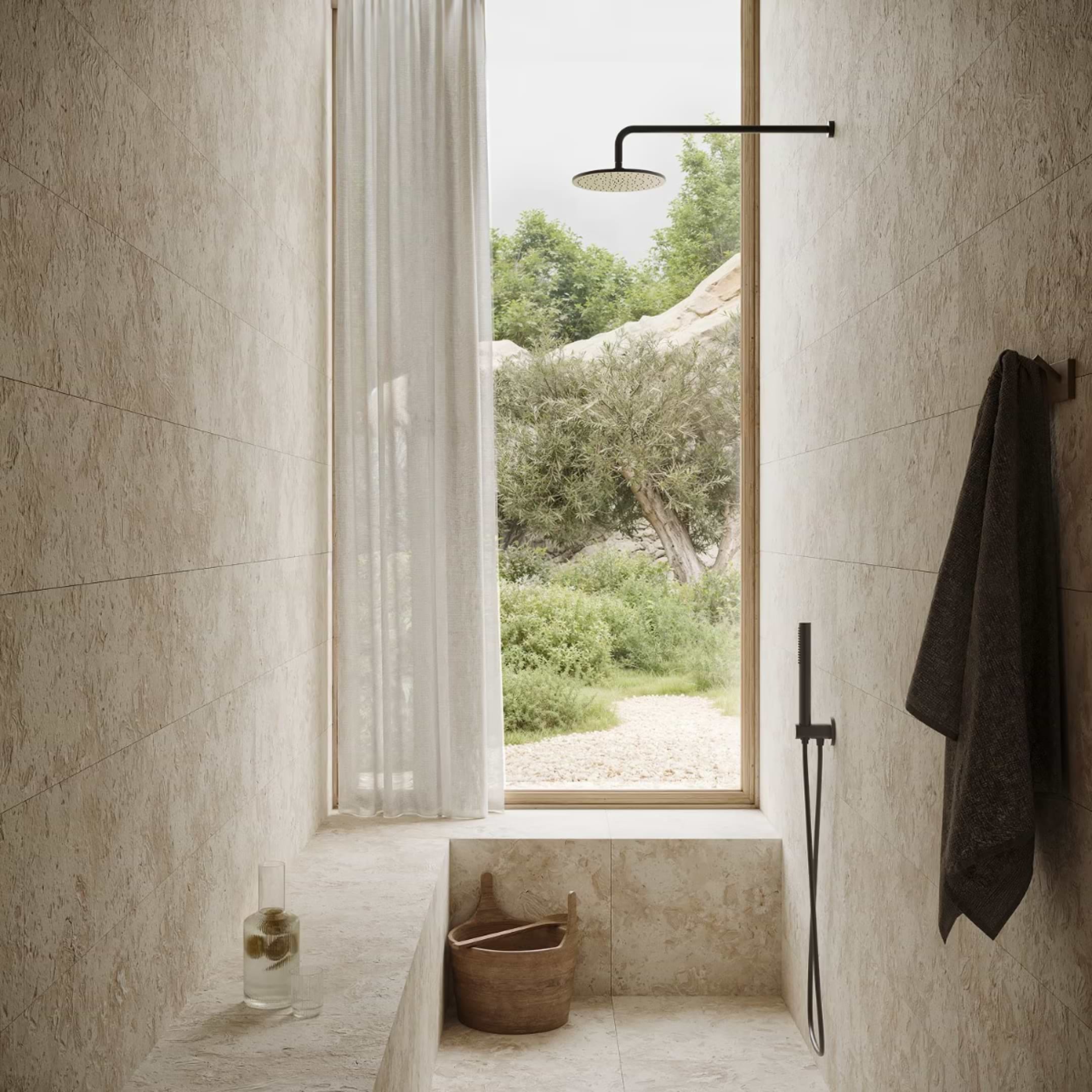
First, Evaluate Your Bathroom’s Design
Finding your ideal shower tile requires taking your overall bathroom design into consideration. Here are questions to ask yourself as you do:
- What’s your bathroom’s overall style? Is it modern? Traditional? Somewhere in between? Getting the design concept on paper can help as you explore tile samples and see what complements other fixtures in your space, like hardware, lighting, vanities, and flooring. The goal isn’t to match your tile to everything perfectly but rather to complement it.
- What colors are you working with? An equally important consideration to tile style is tile color, so consider the tone of the bathroom itself. Are the walls or floors bold colors that will make you want to choose a more neutral tile palette? Or are they more muted, giving you more room to play with your tile coloring? Use our room visualizer tool to try out tiles in your space in real time.
- What tile size is best for the space? It’s important to keep size in mind when you’re picking shower tile. Smaller tiles are great for traction in a shower yet require more grout lines, which in turn requires more upkeep since grout needs to be cleaned often. Unless textured, larger format tile (for example, 12” and above) won’t provide as much traction, but they do require fewer grout lines, which can help spaces feel more open and airier— ideal in smaller bathrooms.
- What’s your preferred tile material? The most common types of shower tile are ceramic, porcelain, glass, and natural stone. Each has its pros and cons when it comes to use in the shower—a space continually exposed to water and steam. More on that below.
- Are you using the same material for floors and walls? Some prefer to have a unified look in their shower, using the same tiles for the walls and floors. Others may want to mix it up stylistically or opt for a higher-traction tile on the floor. Because shower floors can get slippery, you’ll want a slip-resistant tile there, like a mosaic—which has lots of grout lines for traction— or a textured porcelain tile. Shower wall tile has a bit more leniency than floor tile because slip resistance is not a concern, so the design options are even wider. Many like the expansive look that large-format tile provides on a wall, or opt for something that catches the light, like glass tile or high-gloss finishes.
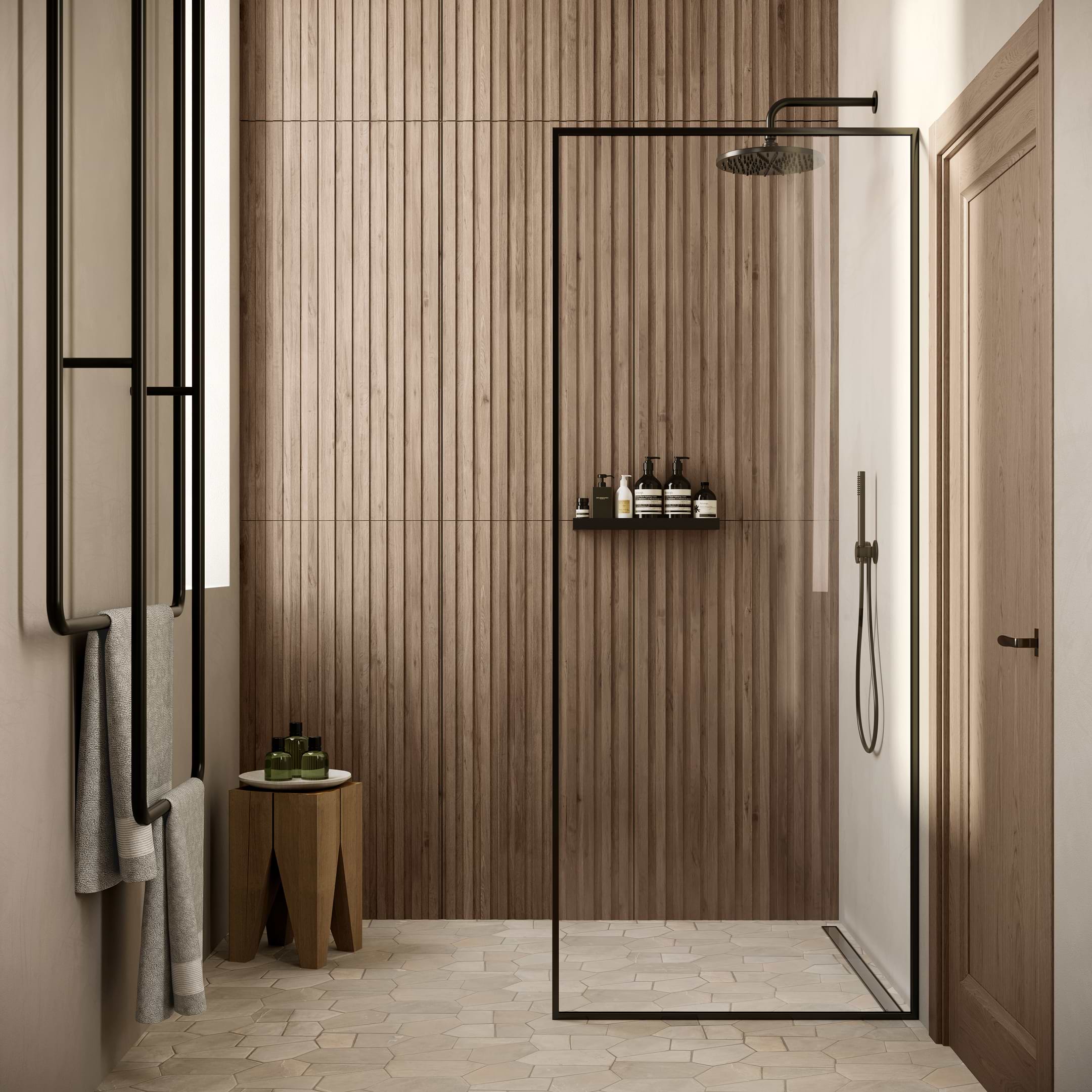
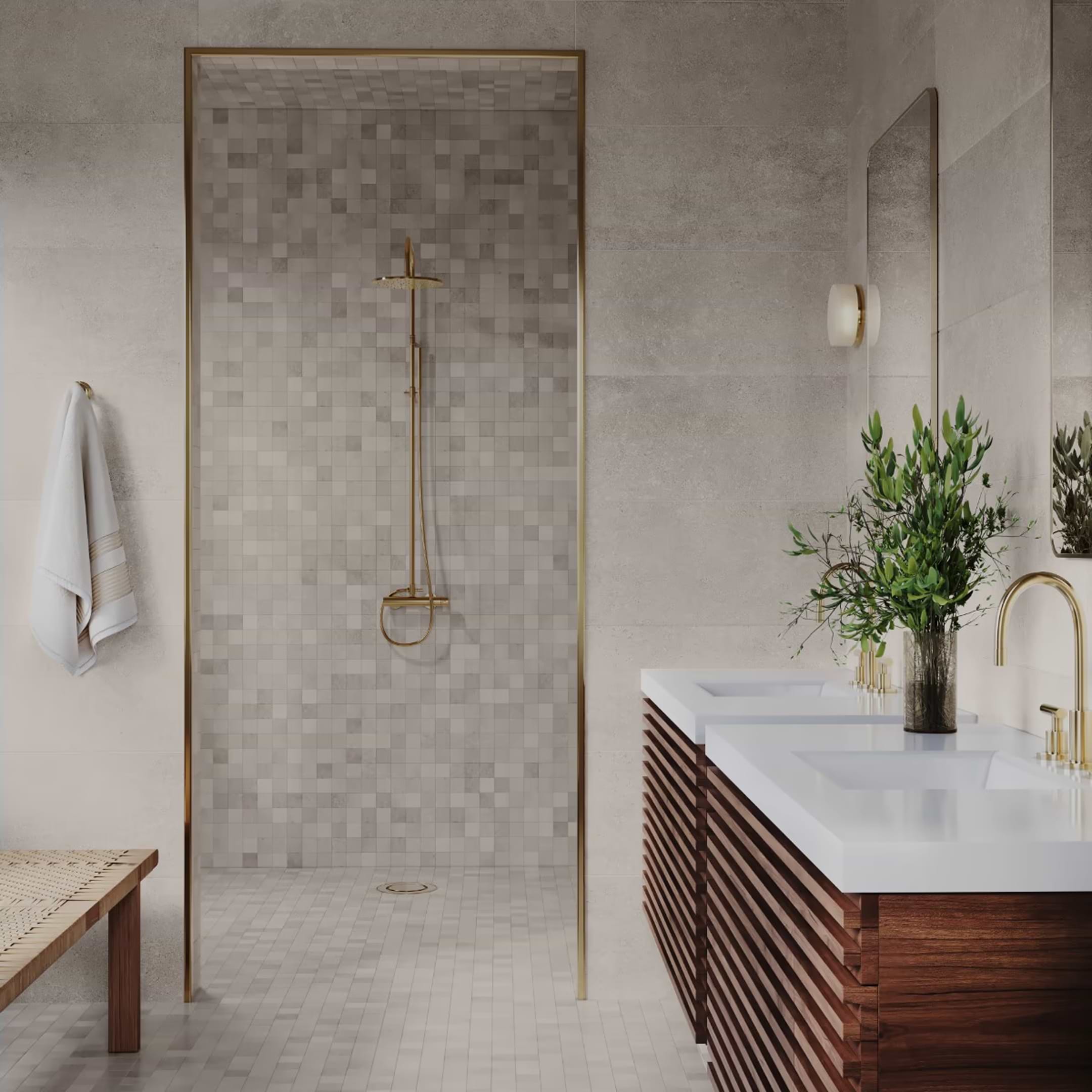
- Ceramic: Ceramic tile is affordable, easy to install, and comes in many colors and designs. It’s good for shower walls but less so for floors, as it’s more porous than porcelain, making it less able to stand up to high-moisture, heavy-use shower floors.
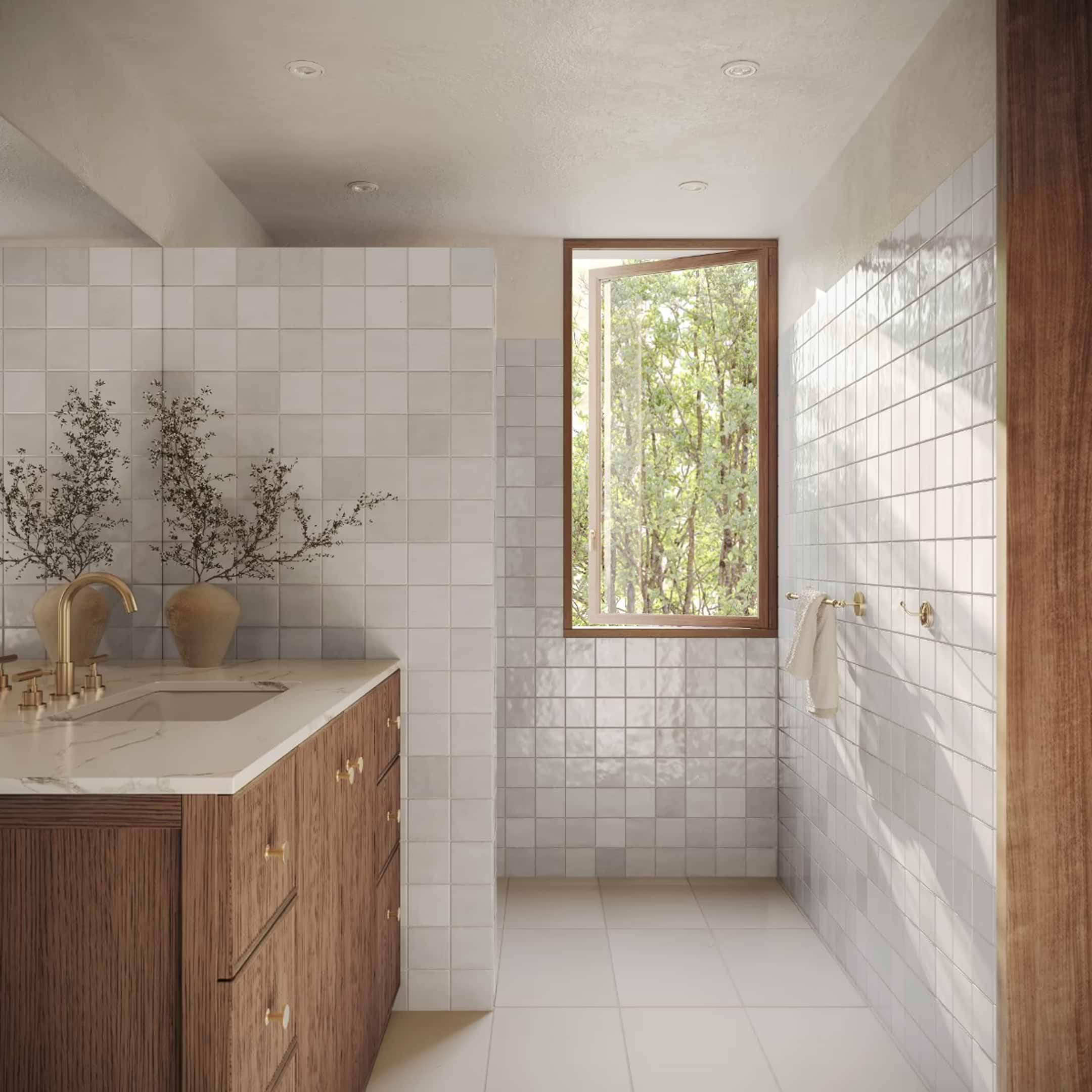
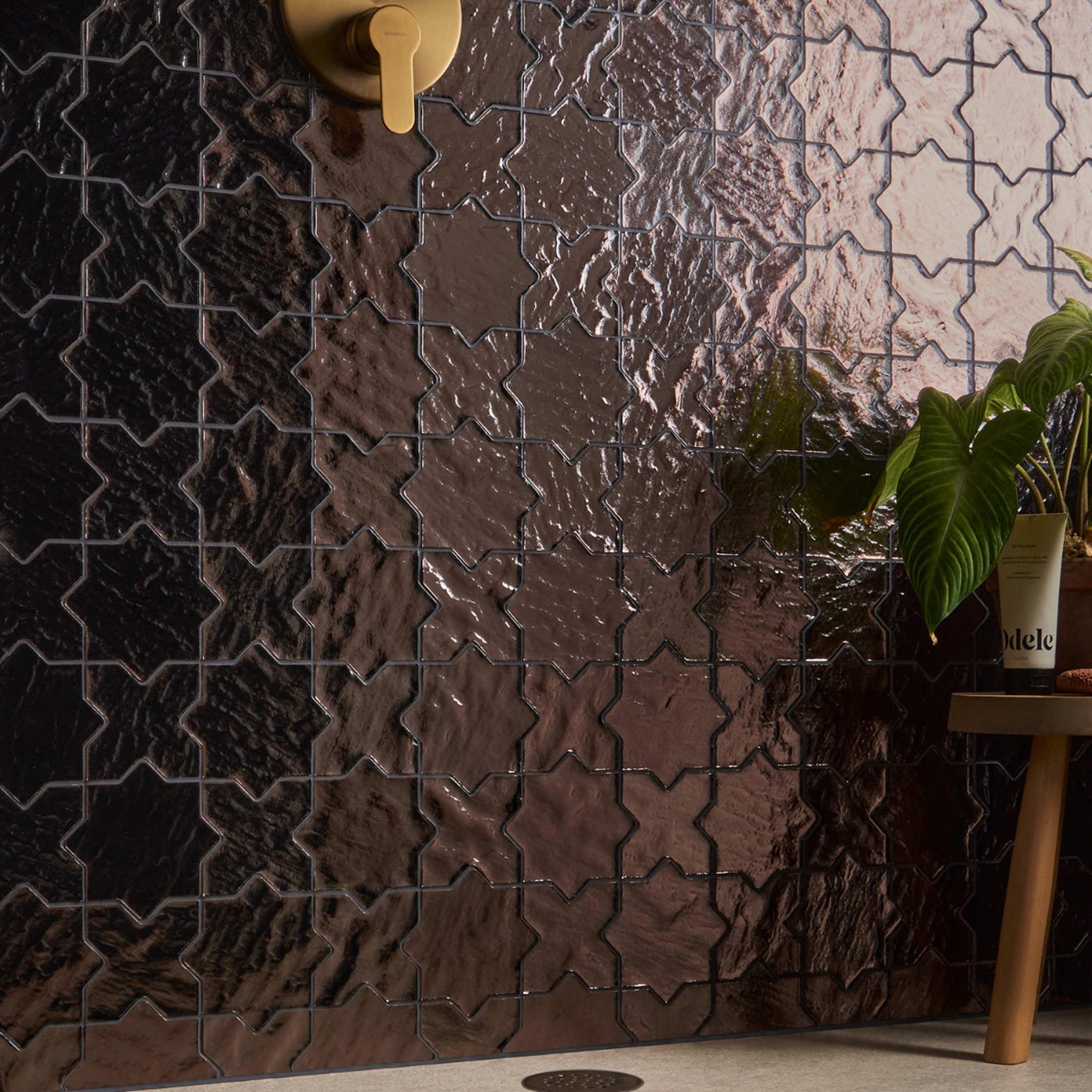
- Glass: Reflective and room brightening, glass tile is excellent for shower walls but less suitable for shower floors. Glass is nonporous, which means it resists stains, mildew, and moisture—ideal qualities for wet environments like showers. However, on floors, glass tile can become slippery when wet and is more prone to scratching or chipping under heavy foot traffic.
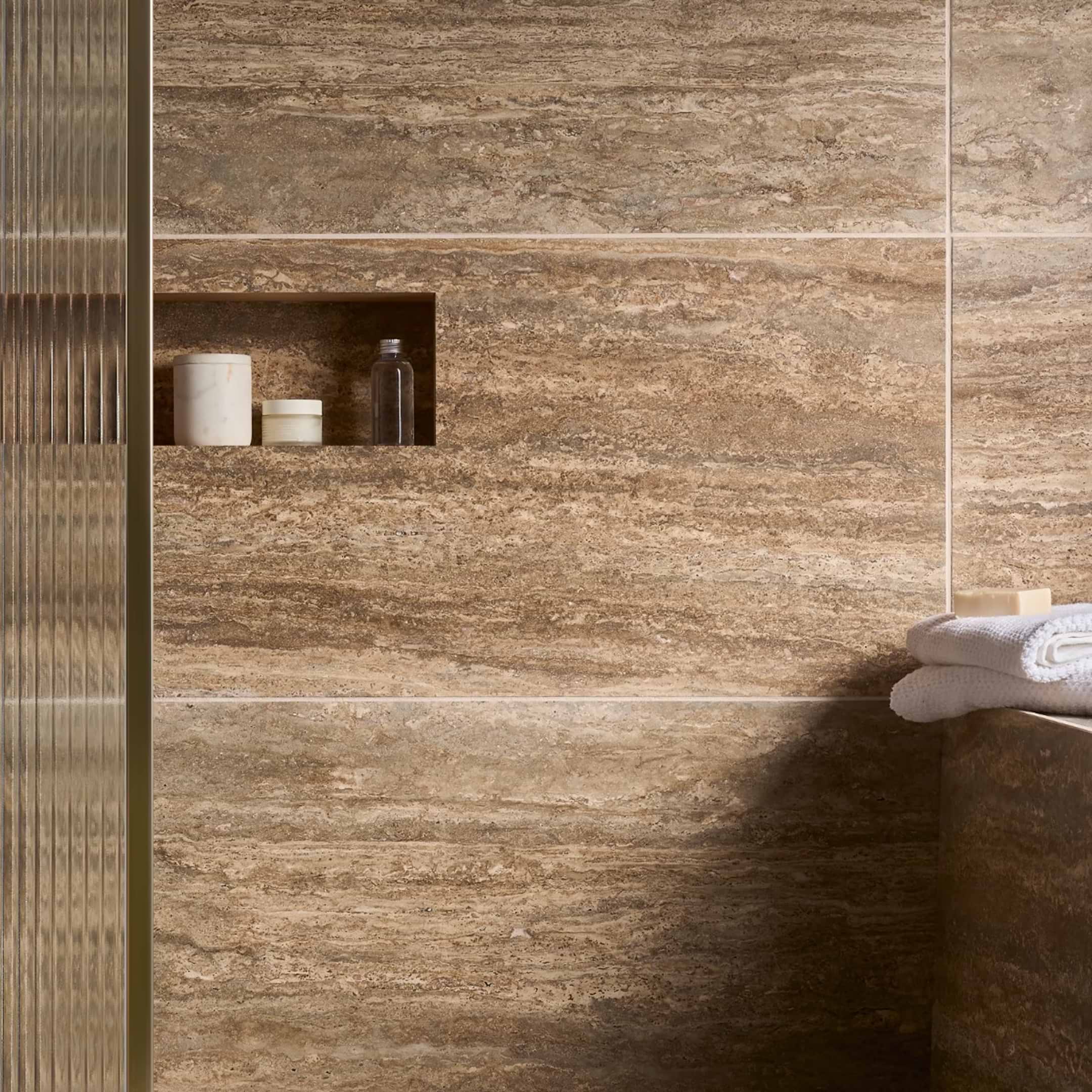
- Natural Stone: Natural stone tile offers timeless beauty and a luxurious look for shower spaces, but it’s more costly and maintenance-intensive than porcelain or ceramic tile. They also require regular sealing and care to prevent moisture damage. For those willing to invest in upkeep, stone can be a stunning choice—but budget-conscious buyers may find stone-look porcelain tiles to be a more practical alternative.
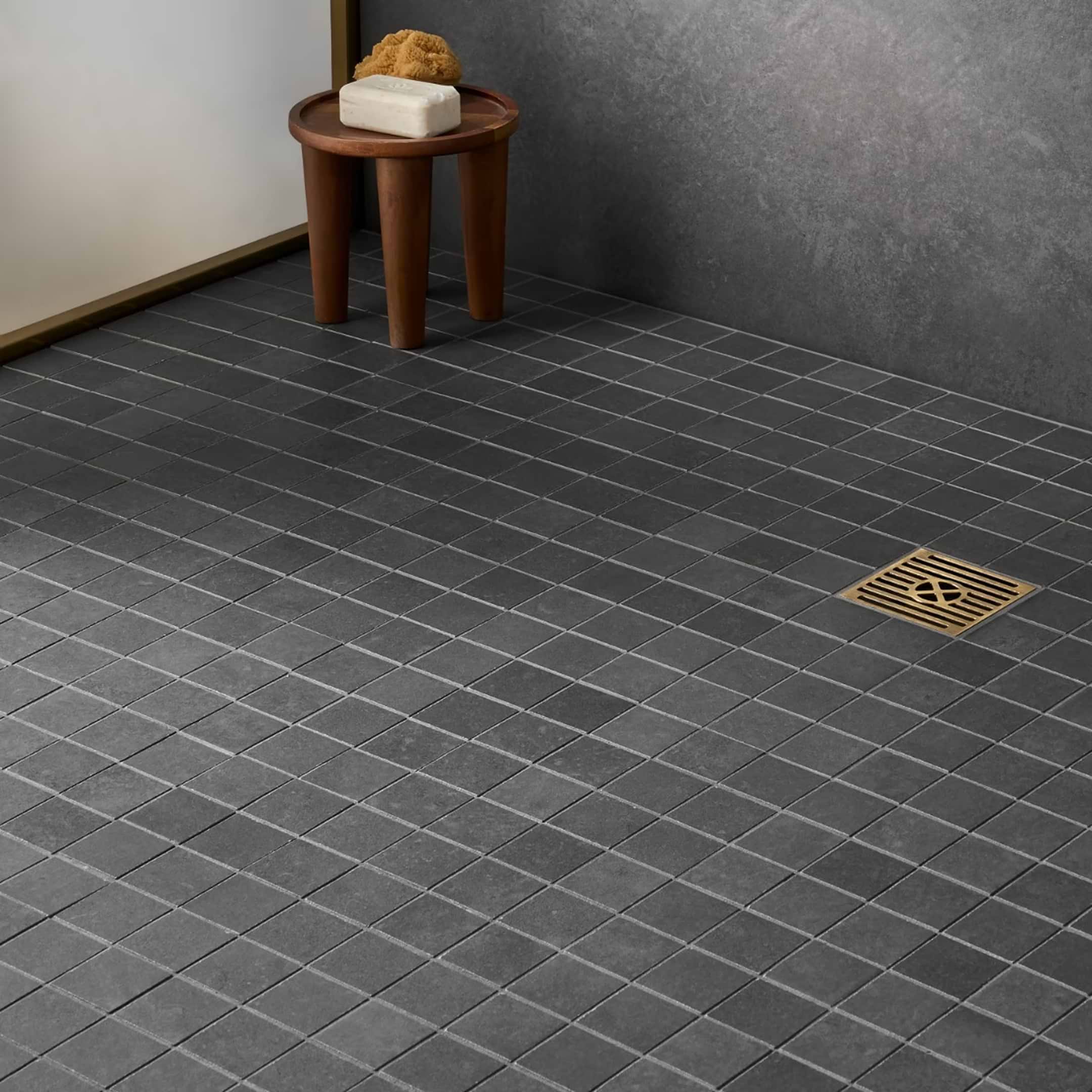
- Mosaics: Mosaic tile is a popular choice for showers thanks to its slip resistance and ability to contour around slopes and curves. Available in materials like glass, ceramic, porcelain, and natural stone, mosaics add texture and pattern to walls and floors alike. However, because of the number of grout lines and the labor required for installation, mosaic tile can be more expensive overall than larger-format options.
FAQ: Common Questions for Shower Tile
What is the best tile type for shower walls?
Porcelain and ceramic tiles are top choices for shower walls due to their water resistance, affordability, and low maintenance. Glass tile is also great for accent walls or a bright, modern look, but tends to cost more.
What is the best tile type for shower floors?
Porcelain and mosaic tiles work best for shower floors. Porcelain is durable and water-resistant, while mosaics—thanks to their many grout lines—offer excellent traction and design flexibility.
Is porcelain tile better than ceramic tile for showers?
Yes. Porcelain is denser, less porous, and more durable than ceramic, making it better suited for wet areas, though ceramic remains a more budget-friendly option.
Do glass tiles work on full shower walls?
Yes, glass tiles can cover full shower walls and create a bright, reflective surface. However, they are typically more expensive and can show water spots more easily than porcelain or ceramic.
Can I use natural stone in a shower?
Yes, but it requires more care. Natural stone adds luxury and character but needs regular sealing to prevent staining and moisture damage.
How often do I need to reseal stone tiles in a shower?
Typically, once every 12 to 24 months, depending on the type of stone, the sealer used, and how often the shower is used.
Which tile requires the least maintenance in a shower?
Porcelain tile requires the least maintenance. It’s nonporous, stain-resistant, and extremely durable, making it ideal for long-term, low-effort care.
Related Articles

 Pinterest
Explore Our
Tilefinder