Visit
Visit 
What Is Rectified Tile?
 Copy Link
 Email
Email
 Twitter
 Pinterest
 Instagram
 Facebook
Rectified tile has become a go-to choice for designers and homeowners who want a sleek, seamless look. But what does “rectified” actually mean, and why does it matter when selecting tile for your walls or floors? In this guide, we’ll break down what rectified tile is, how it’s made, and why it might be the right choice for your next project.
What is Rectified Tile?
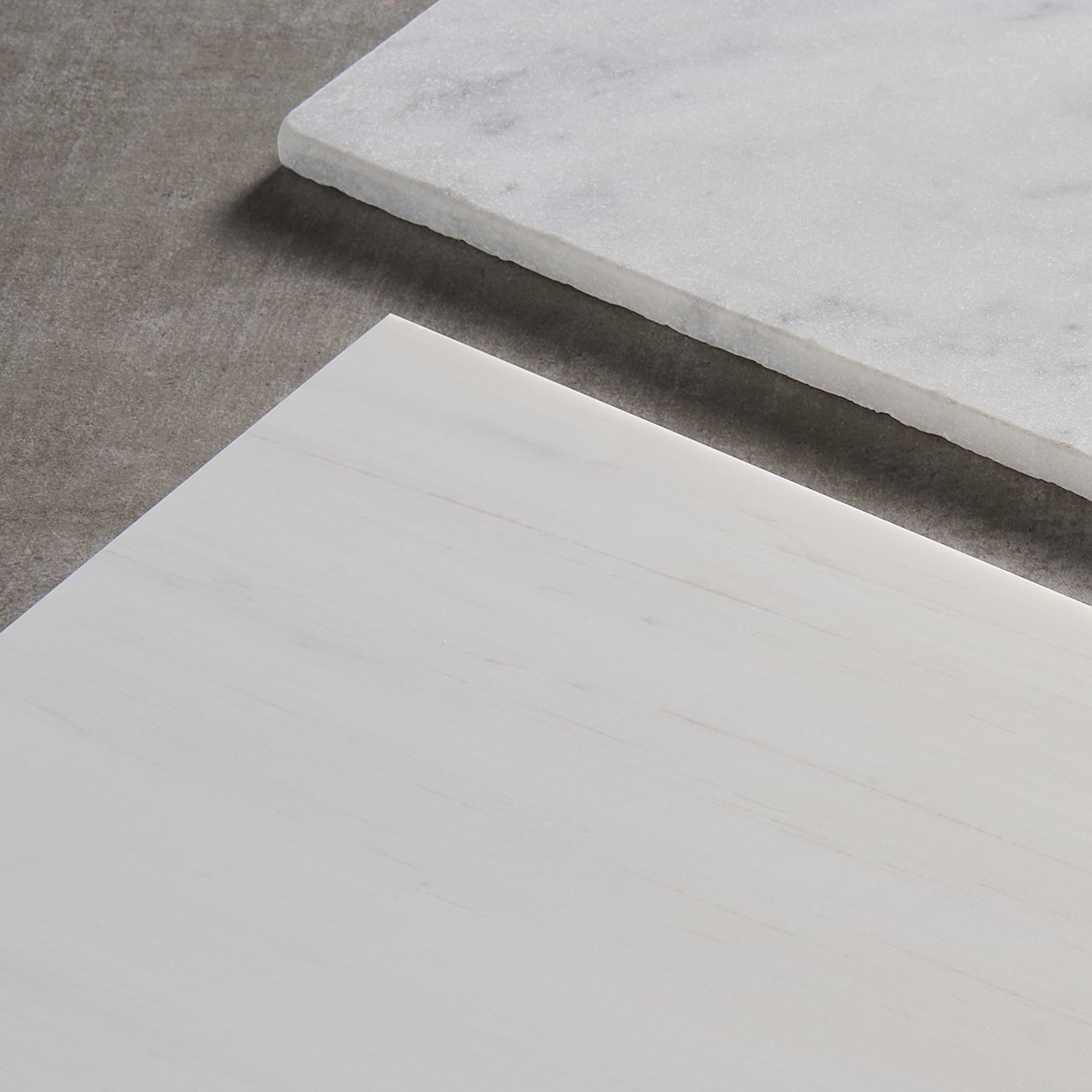
Simply put, rectified tiles have been precisely cut after firing to achieve perfectly straight edges. Traditional tiles can have slight variations in size due to the firing process, but rectified tiles are mechanically ground to exact dimensions.
The result? Cleaner lines, minimal grout gaps, and a more continuous, polished look. Rectified tiles are ideal for modern designs where every detail counts—from large-format flooring to streamlined bathroom walls.
How is Rectified Tile Made?
The manufacturing process begins like any other tile: the material is fired in a kiln to harden and set the design. What sets rectified tile apart comes next:
- Each tile is carefully removed from the kiln.
- A machine trims all four edges to uniform dimensions, removing any irregularities.
- The finished tile is perfectly even,[MM1] ready for precise installation.[LN2] [MM3]
This extra step ensures that every piece lines up flawlessly, especially in large-format layouts where even small inconsistencies would be noticeable.
What Are the Benefits of Using Rectified Tile[LN1] [LN2] ?
Rectified tile offers several advantages for both aesthetic and practical reasons:
- Seamless, modern finish: Straight, uniform edges mean grout lines can be narrow, letting the tile itself shine.
- Larger formats, fewer joints: Bigger tiles mean fewer grout lines, faster installation, and a more continuous appearance.
- Smooth, even surfaces: Uniform edges reduce shadows, waviness, or gaps, giving walls and floors a flawless, high-end finish.
- Versatile design appeal: Works beautifully in minimalist, contemporary, or large-format layouts, indoors or out.
With these benefits, rectified tile is ideal for anyone aiming for a polished, architectural look.
When to Use Rectified Porcelain Tile?[LN1] [LN2]
Rectified porcelain tile works best in spaces where a clean, architectural look is desired:
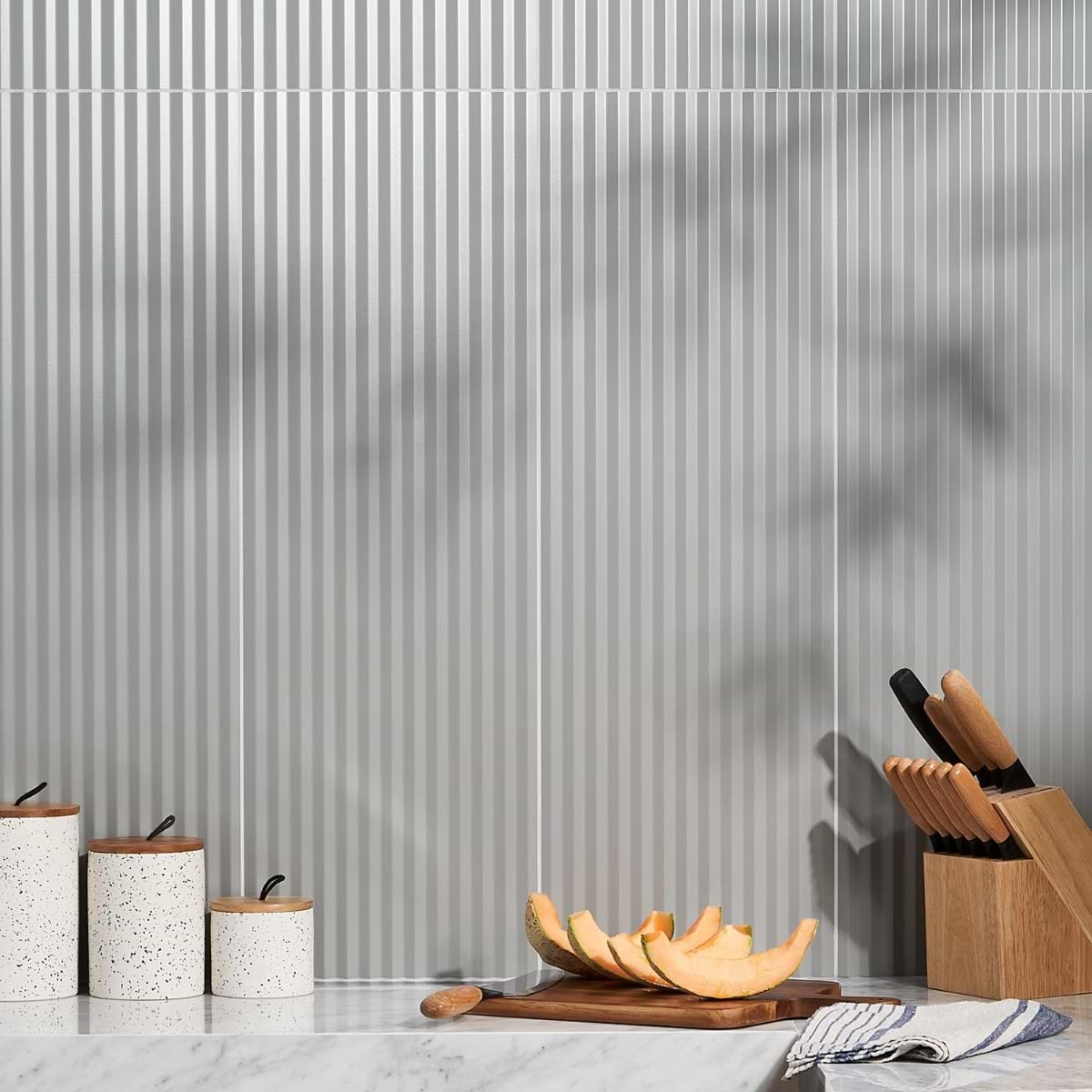
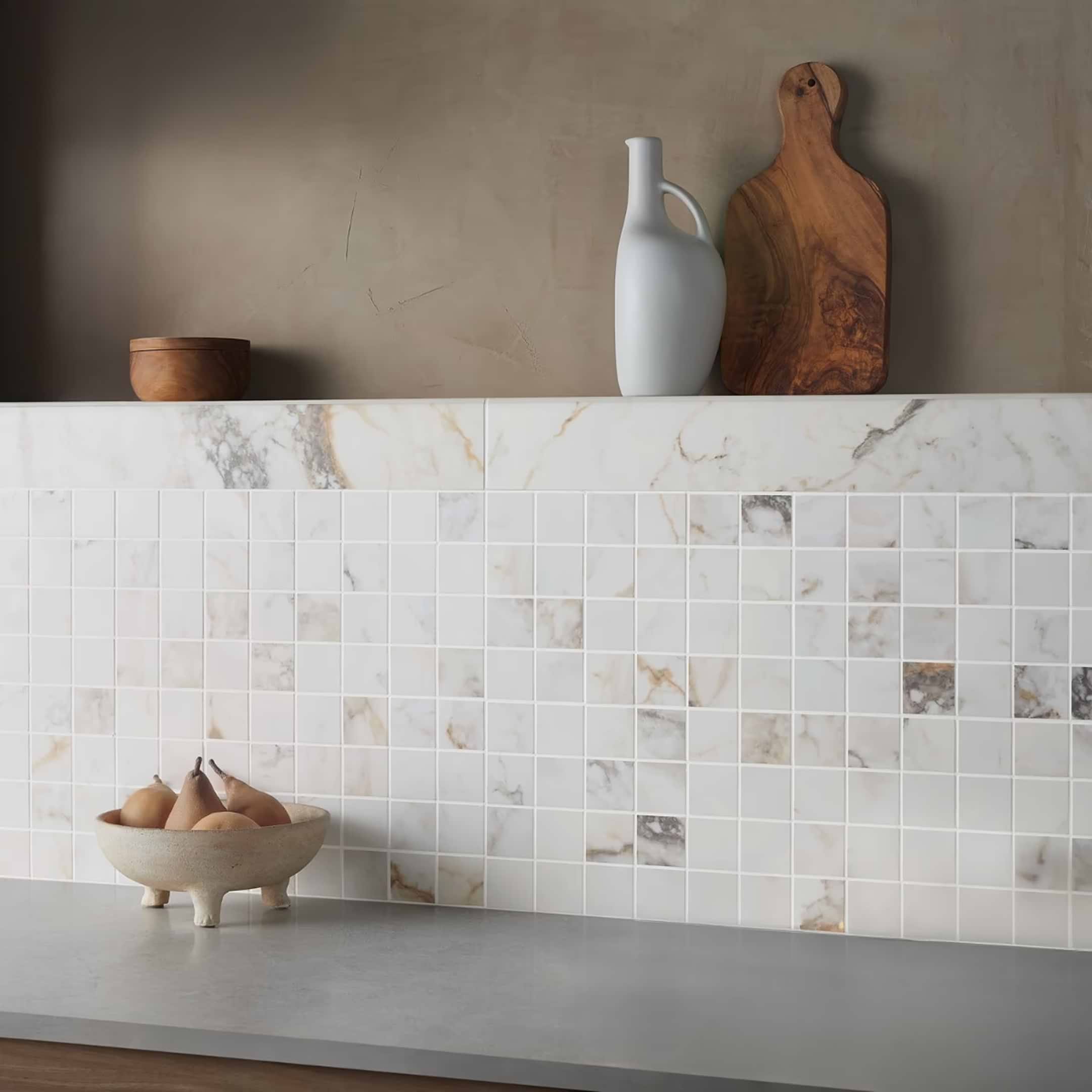
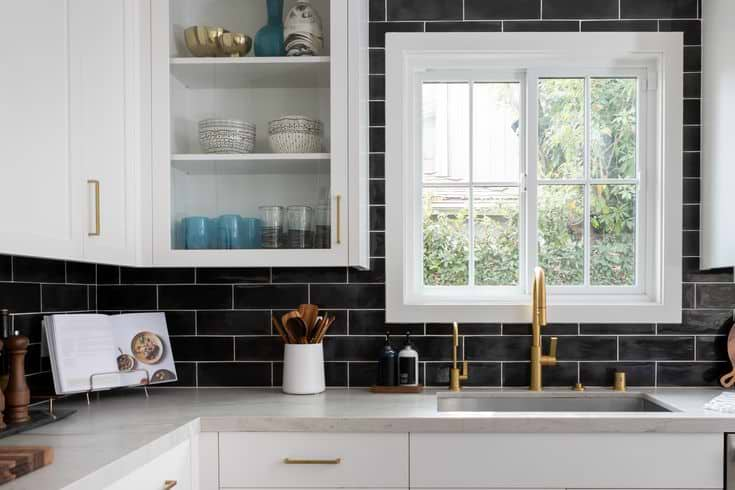
- Kitchens and bathrooms: Narrow grout lines give countertops, backsplashes, and floors a high-end, finished appearance.
- Large-format installations: Helps align big tiles perfectly, creating a smooth, uninterrupted surface.
- Commercial projects: Offers a polished look for offices, hotels, and retail spaces while maintaining durability.
- Easier maintenance: Less grout means fewer opportunities for staining or discoloration, making cleaning and upkeep simpler.
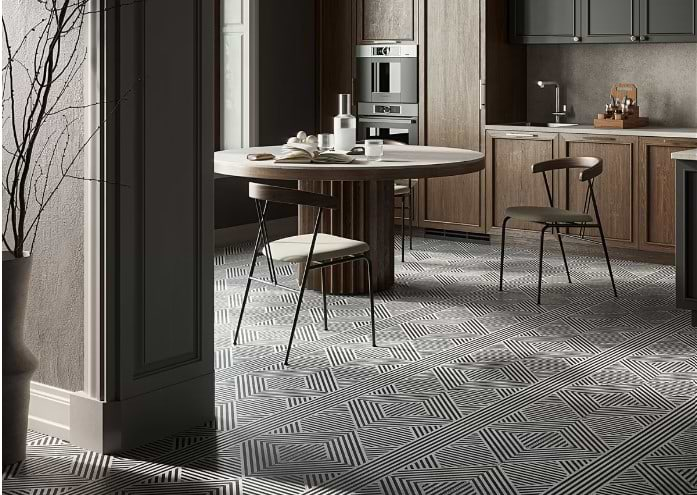
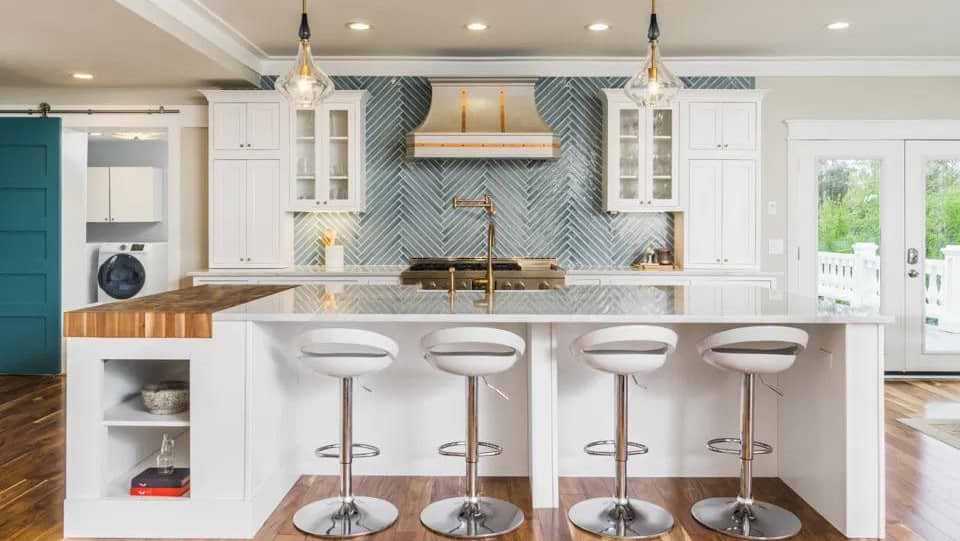
- Geometric patterns: Herringbone, stacked, or grid arrangements appear crisp and precise thanks to the uniform edges.[MM3]
When to Choose a Non-Rectified Tile
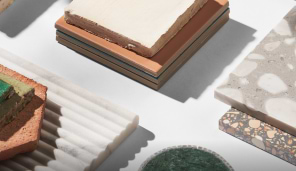
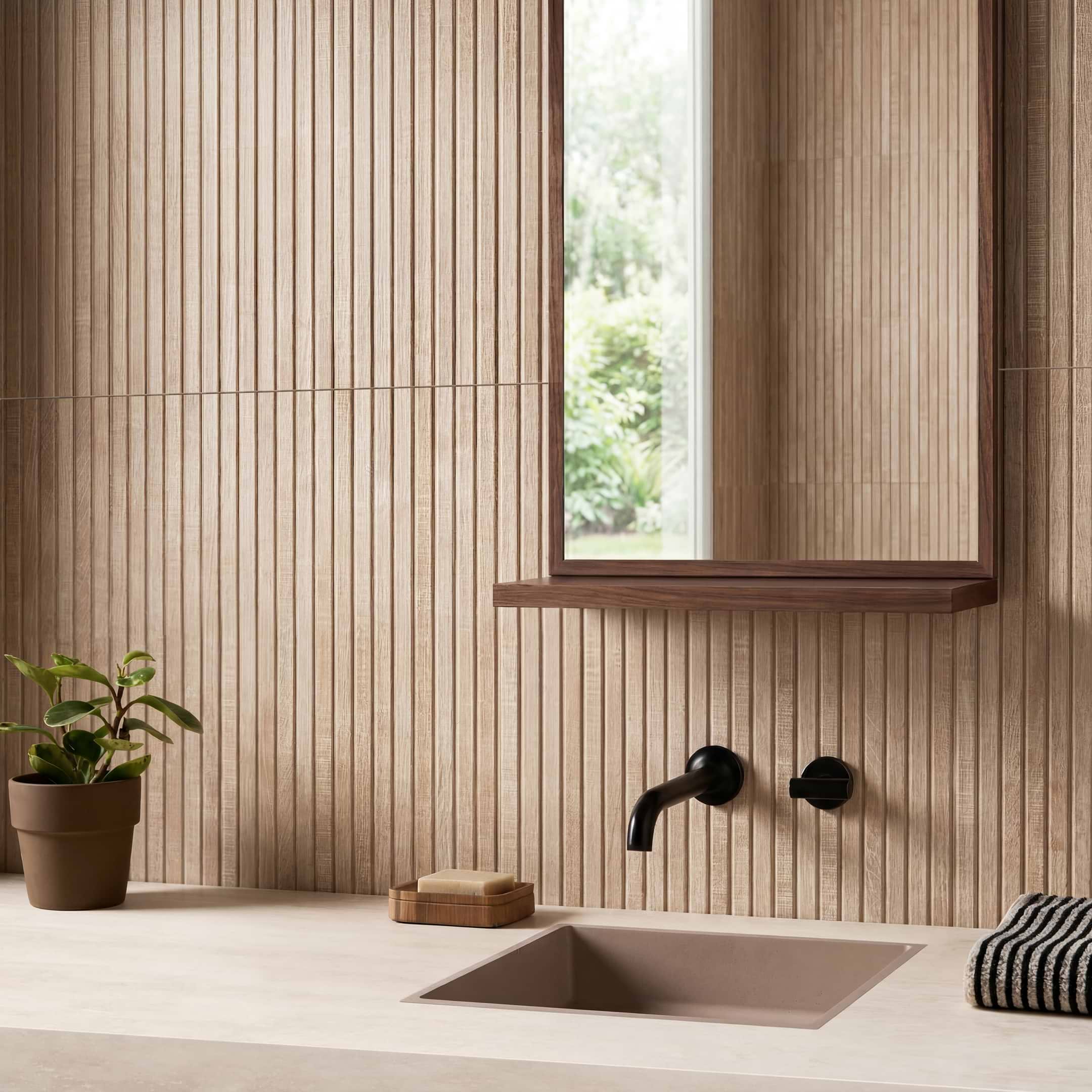
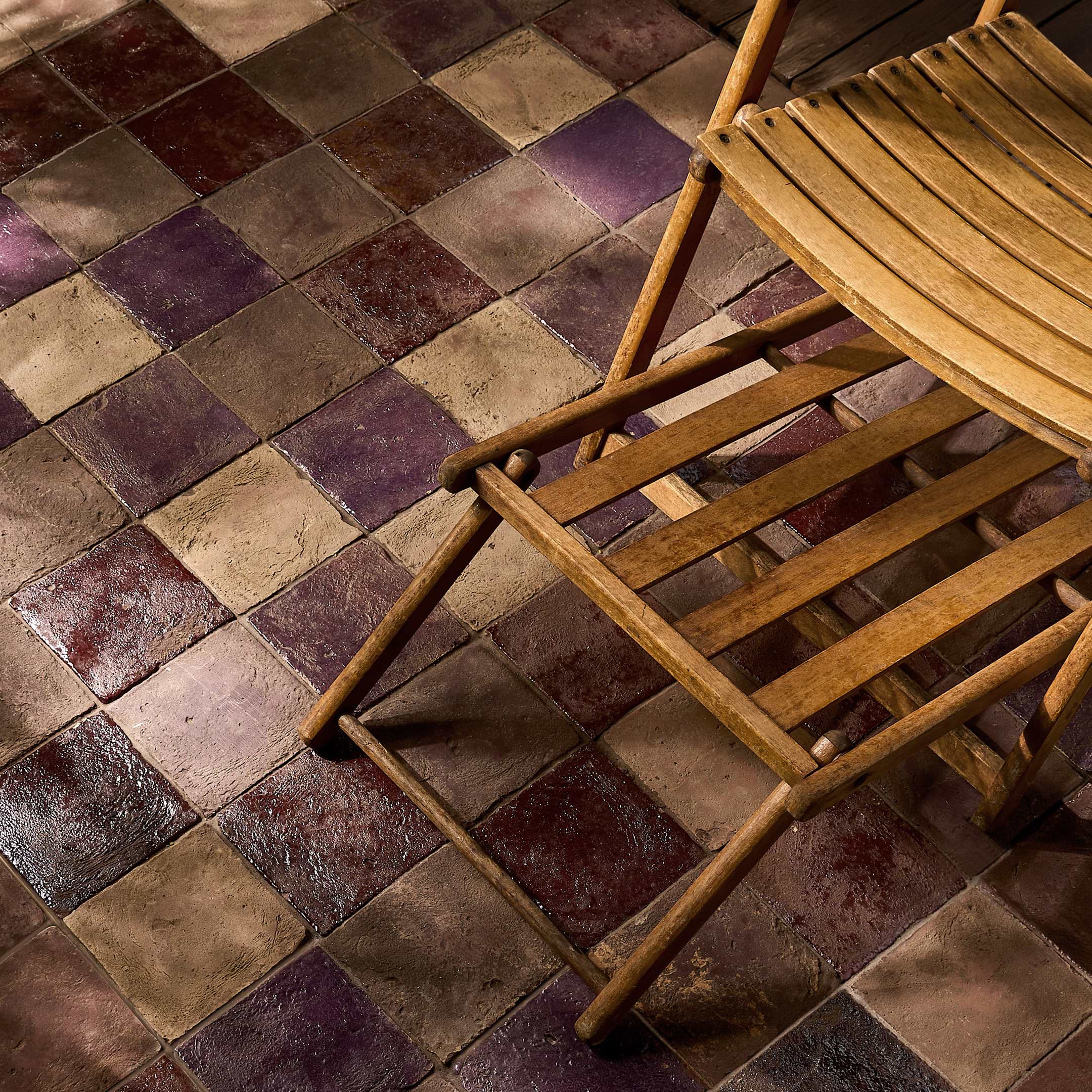
Not every design benefits from ultra-narrow grout lines. In interiors where texture, movement, and variation are meant to take center stage, a non-rectified tile can feel more authentic. Handcrafted terracotta, zellige, or rustic stone-inspired surfaces often rely on slightly wider grout lines to highlight their organic edges and tonal shifts. In these applications, grout becomes part of the visual language—softening the layout and reinforcing a more artisanal, old-world character.
FAQs: Common Questions About Rectified Tile
What are the disadvantages of rectified tiles?
They can be slightly more expensive and require careful installation. Narrow grout lines may also reveal imperfections in the subfloor.
Does rectified tile need grout?
Yes, though lines can be much narrower than with traditional tiles, emphasizing the clean, seamless look.
Which is better, rectified or non-rectified tiles?
Rectified tiles are ideal for modern, minimalistic designs, while non-rectified tiles are more forgiving on uneven surfaces and traditional layouts.
Does rectified tile chip easily?
No. When handled and installed properly, rectified tiles are just as durable as standard tiles. Precision edges actually help reduce stress points.
How can I tell if a tile is rectified?
Rectified tiles have perfectly straight edges and consistent sizing. Many manufacturers label tiles as “rectified” or “R.”
Are rectified porcelain tiles a good choice?
Absolutely. They’re durable, precise, and perfect for creating a seamless, contemporary aesthetic.
Are rectified tiles harder to install?
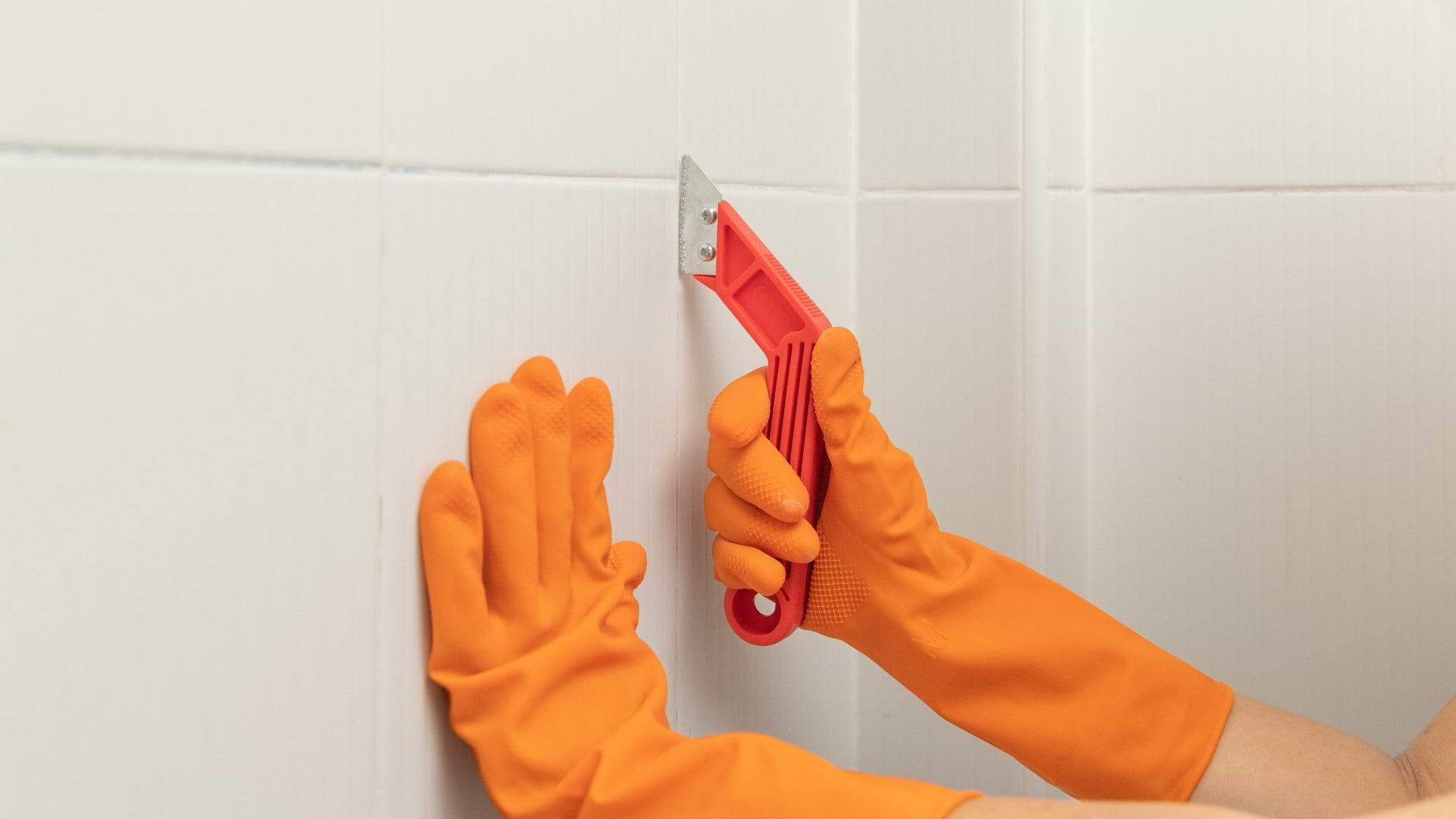
Slightly. Tight grout lines and precise alignment require a skilled installer and a level surface, especially for large-format tiles.
Related Articles

 Pinterest
Explore Our
Tilefinder