Visit
Visit 
Porcelain vs. Ceramic Tile for Showers, Floors & Walls
 Copy Link
 Email
Email
 Twitter
 Pinterest
 Instagram
 Facebook
Porcelain is a type of ceramic, yet not all ceramic is porcelain. Both are made from clay and fired in a kiln, but each has unique properties that help determine its use in each situation. For showers and floors, porcelain tends to outperform ceramic because of its lower water absorption and higher durability. However, it’s typically more expensive than ceramic, and ceramic is still suitable for a wide range of uses in lower-traffic, lower-moisture areas.
What is Ceramic Tile?
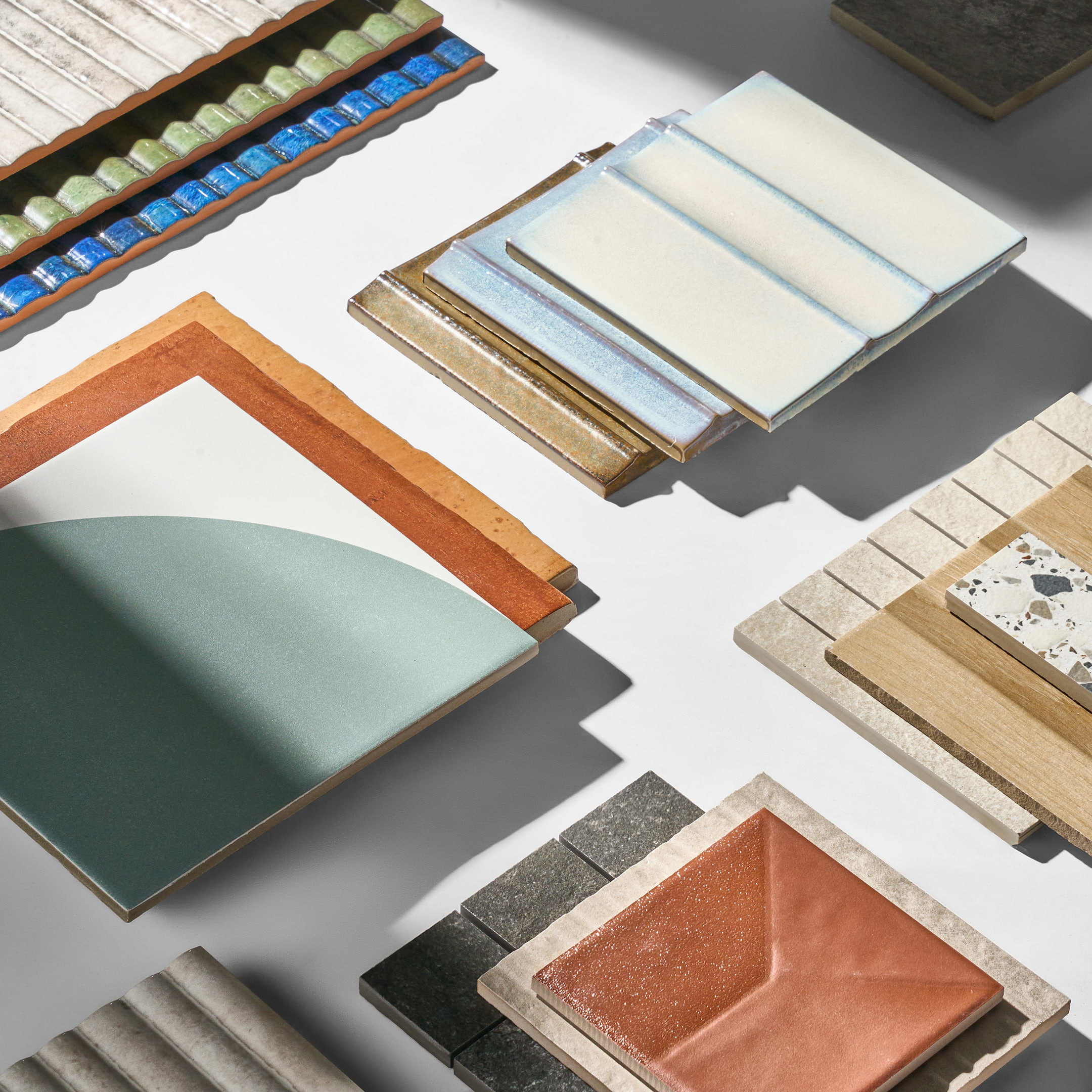
Ceramic tile has been used for thousands of years. It’s made from a clay base that’s mixed with other materials like sand, feldspar, quartz, and water. This mixture is then molded into a shape, finished (typically with glaze), and then fired at a high temperature to remove excess water and set the material. Different combinations of clay and finishes result in a wide range of tile designs and installation types.
What is Porcelain Tile?
Porcelain is actually a type of ceramic tile. Both are made from clay and kiln-fired, but porcelain uses a denser clay with a finer texture. Porcelain tiles are also fired at a much higher temperature, resulting in a harder, more durable tile that absorbs less water than a traditional ceramic tile. This matters when it comes to areas with high traffic (like floors) or where moisture and temperature fluctuations occur (like outdoors).
Differences Between Porcelain & Ceramic Tile
When it comes to porcelain vs. ceramic, each tile type has its pros and cons. Here’s what you need to know.
Porcelain Tile: Pros & Cons
Pros:
Porcelain tile is extremely durable and well-suited for high-traffic areas, including kitchens and commercial spaces. Its dense composition results in very low water absorption, making it highly stain-resistant and ideal for high-moisture or outdoor areas. Through-body and color-body options also help disguise chips or wear, so they tend to age well.
Cons:
Porcelain tile typically comes at a higher price point, especially for more decorative styles. Its density also makes it harder to cut and install, often requiring specialized tools or professional installation, which can increase overall project costs.
Ceramic Tile: Pros & Cons
Pros:
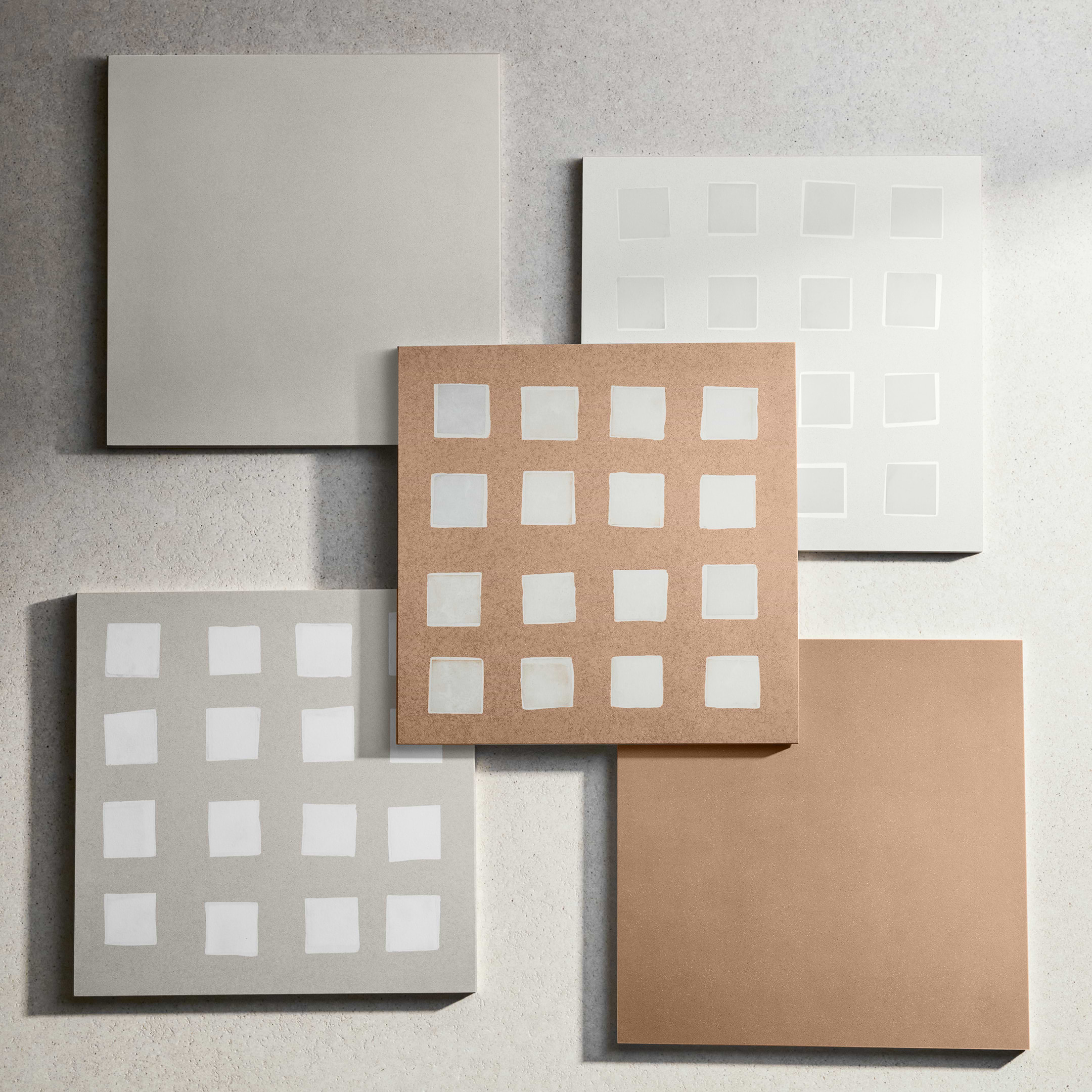
Ceramic tile is generally more affordable and offers a wide range of design options. Because it is less dense than porcelain, it’s easier to cut and install, making it a popular choice for DIY projects.
Cons:
Ceramic tile is not as durable as porcelain and is generally not recommended for high-traffic areas or commercial settings. It is also more porous, making it less suitable for high-moisture environments such as shower floors or outdoors, where it’s more prone to water absorption and potential damage.
Porcelain vs. Ceramic Tiles: What’s Best for Your Project?
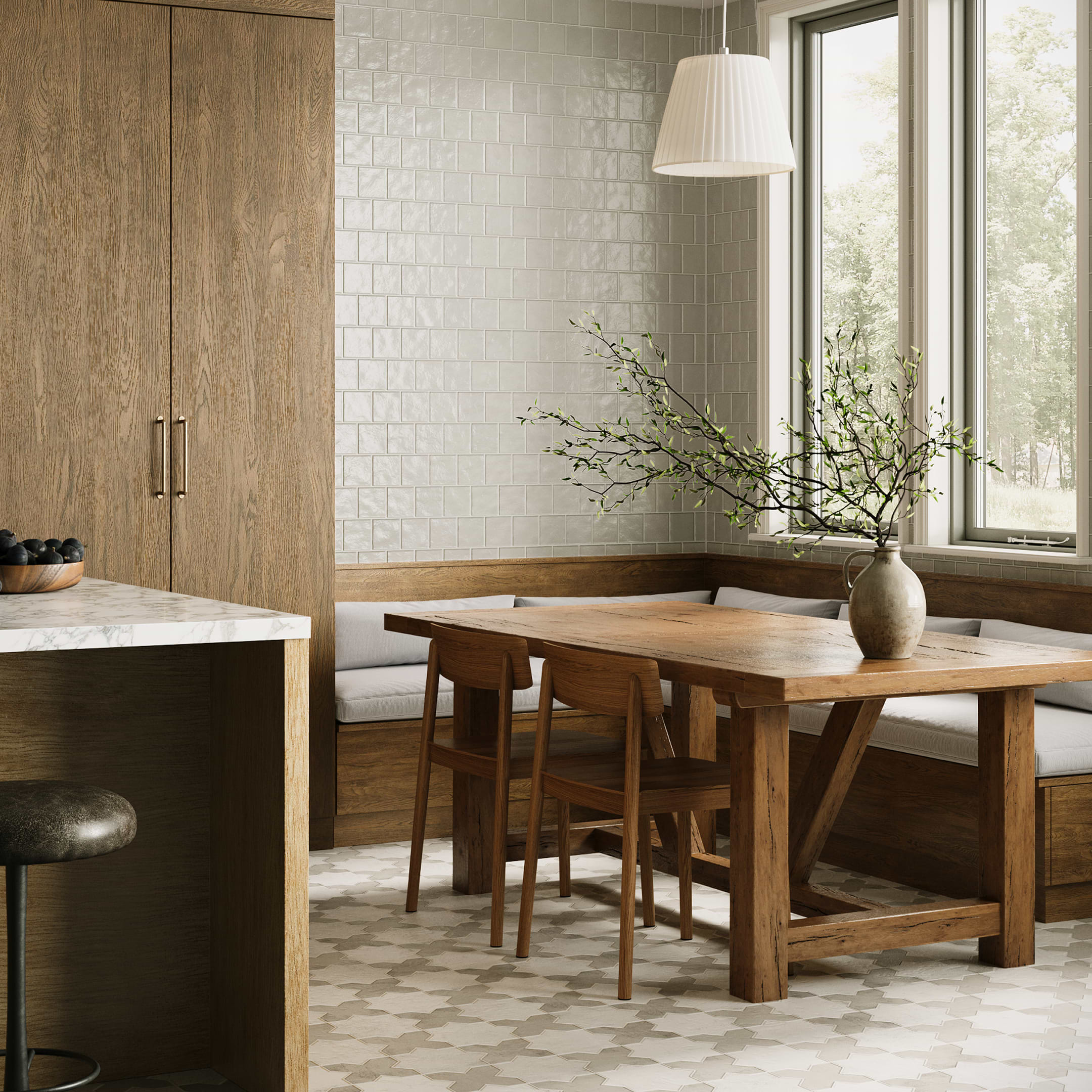
Walls — Ceramic is generally the better choice.
Ceramic tile is often preferred for wall tile thanks to its lighter weight, easier installation, and wide range of styles. Porcelain also performs well on walls due to its durability and moisture resistance, but its heavier weight and more challenging installation typically make ceramic the more practical and cost-effective option.
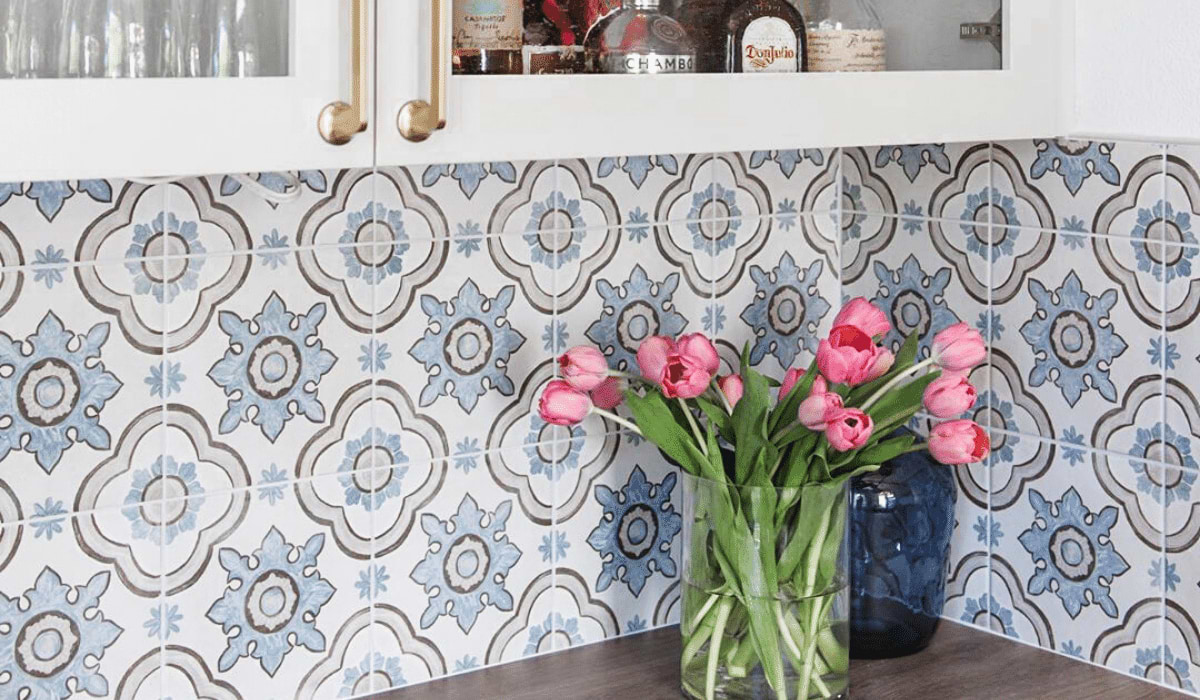
Backsplashes — Both ceramic and porcelain work well.
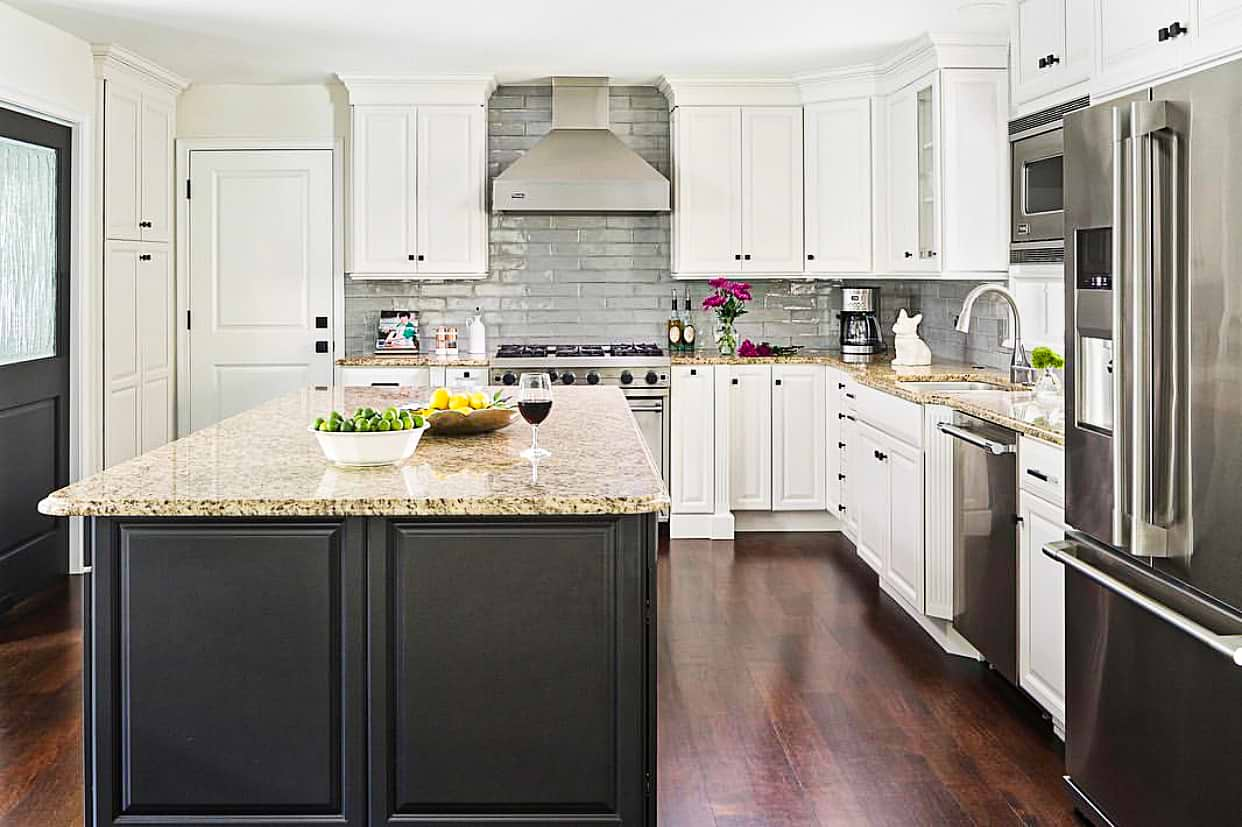
Both materials make excellent backsplash tile, as they resist stains and are easy to clean. Porcelain offers superior stain resistance and durability, while glazed ceramic provides extensive design options at a more budget-friendly price point.
Showers — Porcelain is the better choice.
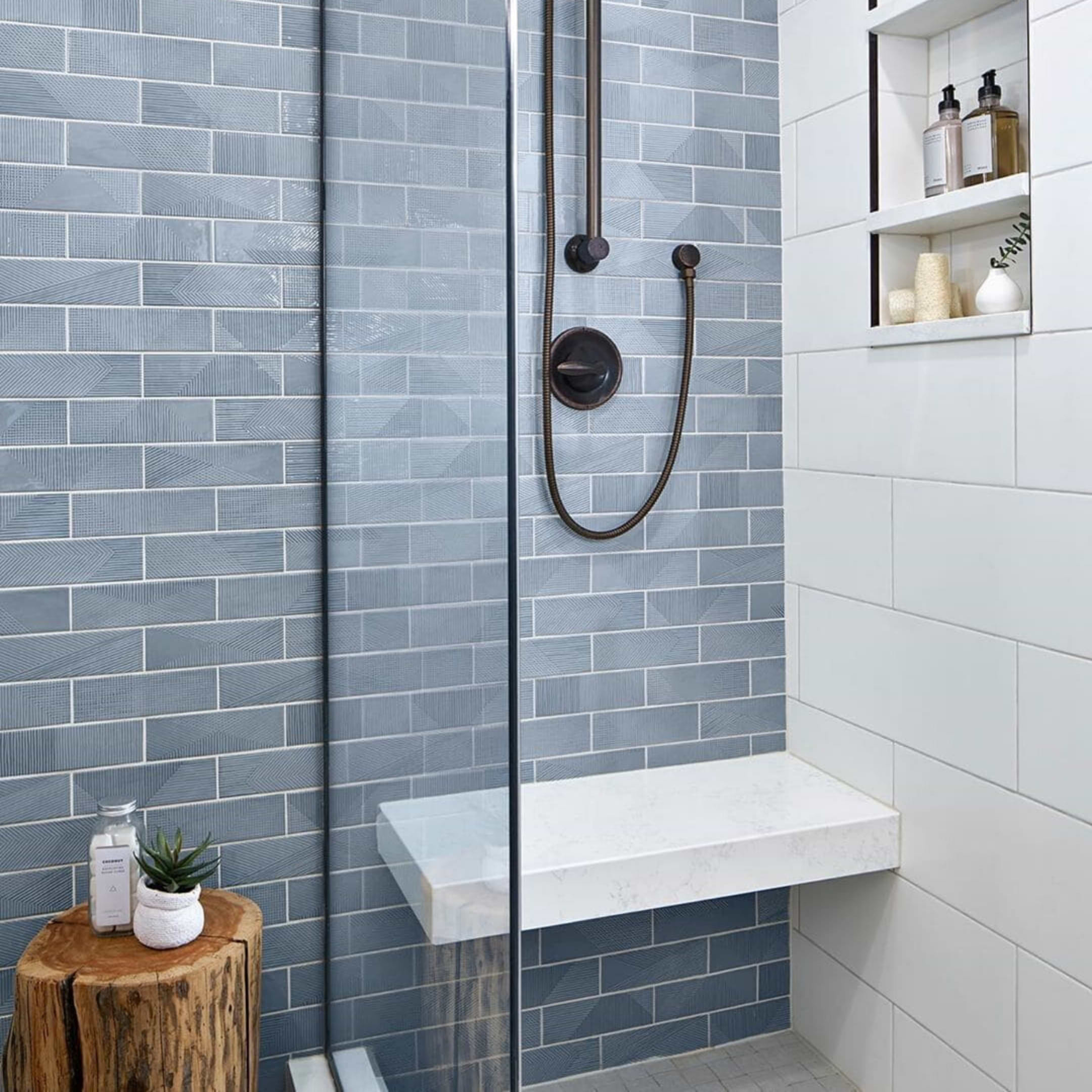
Porcelain tile is the clear winner for shower tile due to its extremely low water absorption rate and resistance to moisture, mold, and mildew. Its density and durability make it suitable for both shower walls and floors, especially in wet, high-use environments. Ceramic tile can work on shower walls if properly waterproofed, but its higher porosity makes it less suitable for shower floors.
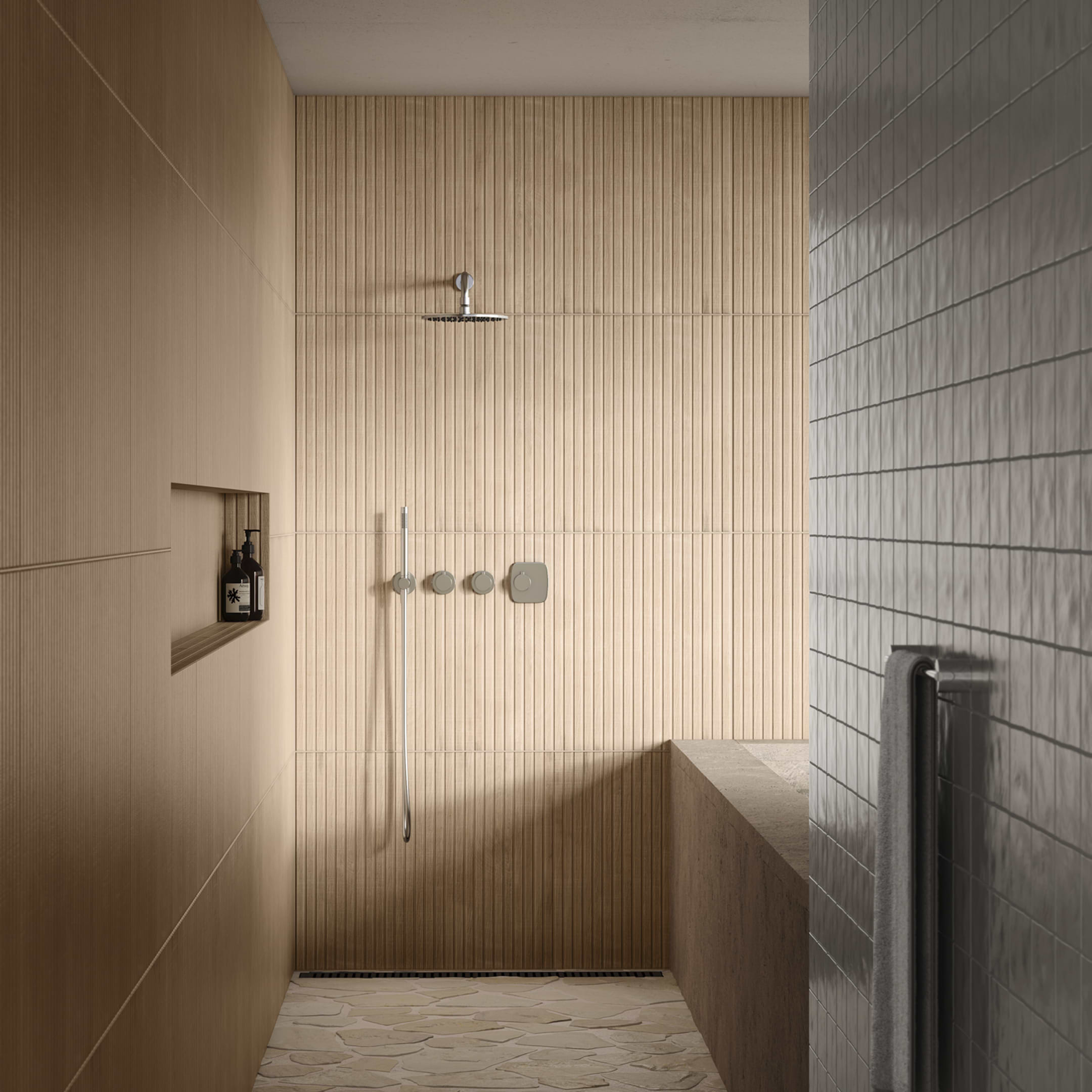
Bathrooms — Porcelain is better overall, though both can work.
Porcelain tile is ideal for bathroom floors and walls because it handles moisture, spills, and daily wear with ease while offering versatile design options that mimic natural materials. Glazed ceramic tile works well for bathroom walls and low-traffic areas, but its porosity limits its suitability for floors or consistently wet zones.
Floors — Porcelain is the better choice.
Porcelain tile is best for flooring, especially in high-traffic areas like kitchens, living rooms, and commercial spaces, thanks to its strength, density, and resistance to stains and wear. Ceramic tile is better saved for low-traffic floors, where budget considerations or decorative appeal outweigh the need for maximum durability.
FAQ: Common Questions on Porcelain vs. Ceramic Tile
Which is better: porcelain or ceramic tile?
Neither is better per se—it depends on the application. Porcelain is more durable and moisture-resistant, while ceramic is more affordable and offers greater design flexibility.
Is porcelain better than ceramic in a shower?
Yes. Porcelain is better suited for showers because it has very low water absorption and holds up well in constant moisture.
Can I use ceramic tile for shower walls
Yes. Glazed ceramic tile can be used on shower walls when proper waterproofing is in place, though it’s not recommended for shower floors.
Should I use porcelain or ceramic floor tile?
Porcelain is the better choice for floors, especially in high-traffic areas, due to its strength and durability. Ceramic is best for low-traffic spaces.
Do porcelain tiles need sealing?
Most porcelain tiles do not require sealing, though polished porcelain or grout lines may benefit from it.
Is porcelain tile more expensive than ceramic tile?
Generally, yes. Porcelain typically costs more due to its durability and manufacturing process, while ceramic offers more budget-friendly options.
Related Articles
Explore Our
Tilefinder